ADPORC
Physiotherapy Blogs
Latest Blogs
Explore ADPORC's articles on physiotherapy, rehabilitation, pain, movement and recovery. These guides can help you understand common conditions and prepare questions for your physiotherapist.
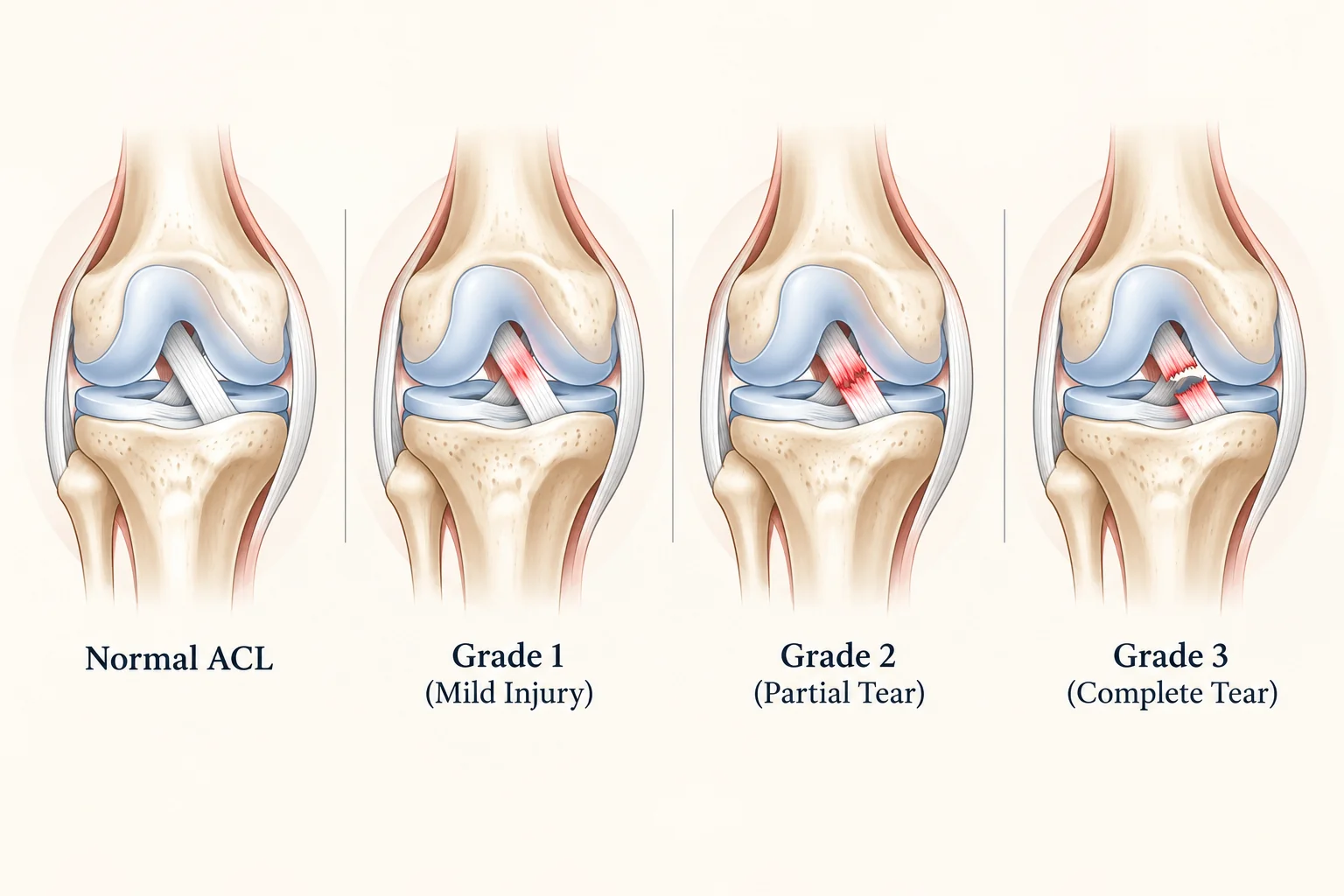
How to Regain Knee Extension After ACL Reconstruction
After ACL reconstruction, many patients pay close attention to how much they can bend the knee. However, being able to fully straighten the knee is equally important during rehabilitation. In the early postoperative period, swelling, pain, quadriceps inhibition, muscle guarding, and stiffness can make the operated knee remain slightly bent.
Read More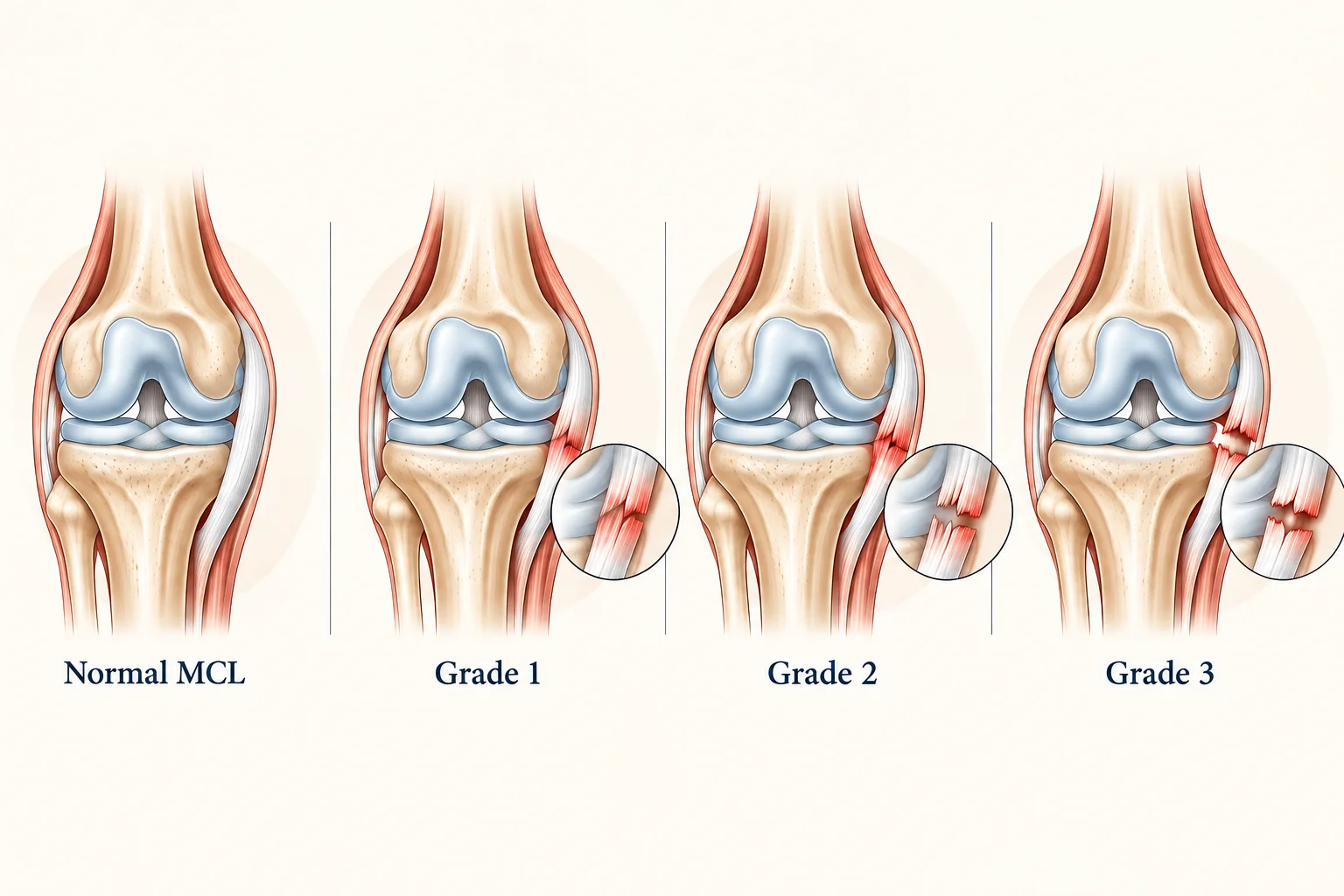
MCL Injury: Causes, Symptoms & Physiotherapy Treatment
A medial collateral ligament or MCL injury is a common knee ligament injury, particularly among people involved in football, basketball, rugby, skiing and other activities where the knee may be exposed to sudden twisting, side-to-side forces or direct contact.
Read more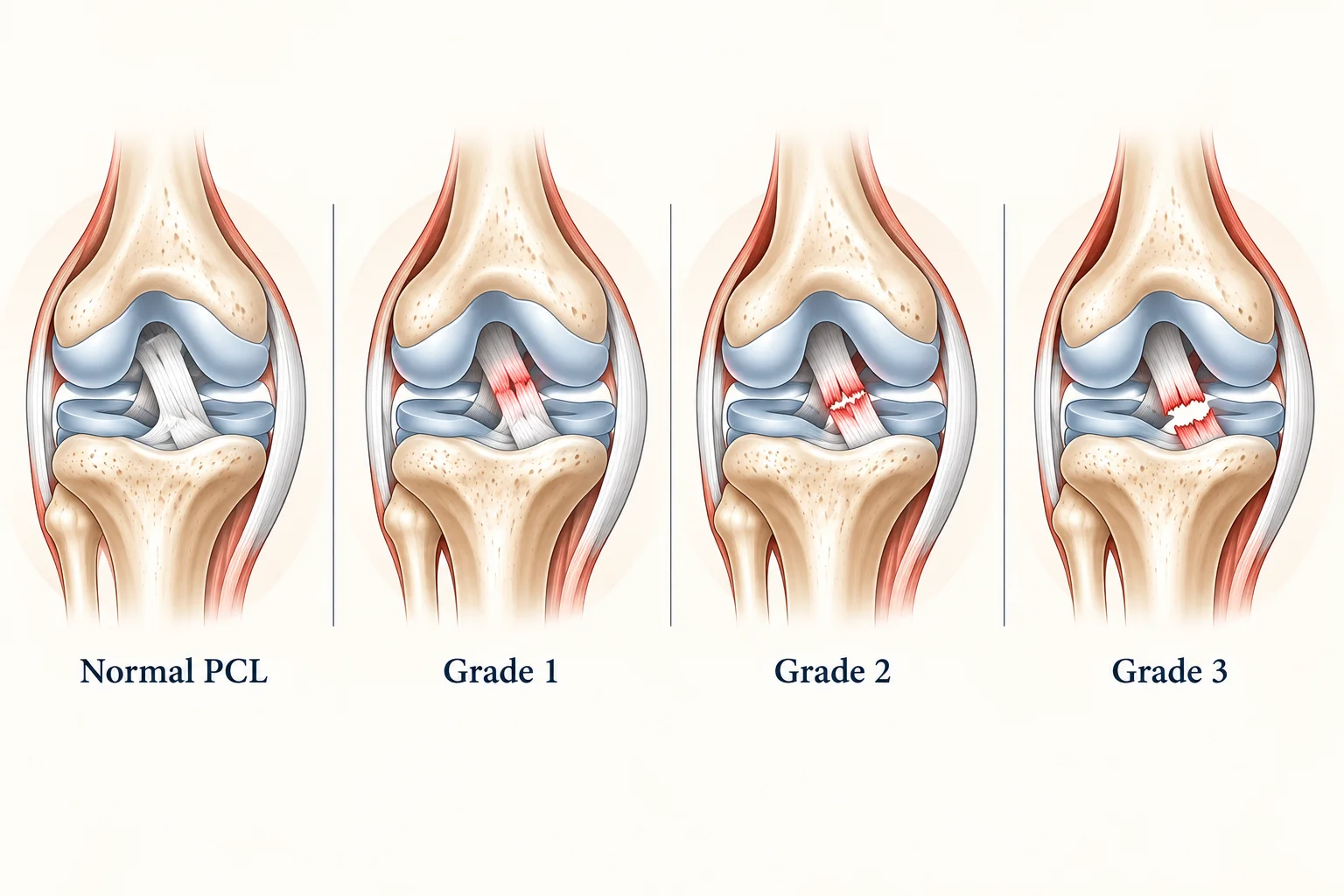
PCL injury (Posterior Cruciate Ligament): Causes, Symptoms & Physiotherapy Treatment
A posterior cruciate ligament or PCL injury is an important knee ligament injury that may occur after a sports collision, fall, road traffic accident or another force that pushes the shin bone backward relative to the thigh bone.
Read more
ACL injury (Anterior Cruciate Ligament): Causes, Symptoms & Physiotherapy Treatment
An ACL injury can limit your movement and confidence, making daily tasks and sports feel out of reach. At ADPORC, we provide expert, evidence‑based physiotherapy to restore knee stability, improve strength, and help you get back to an active life safely.
Read more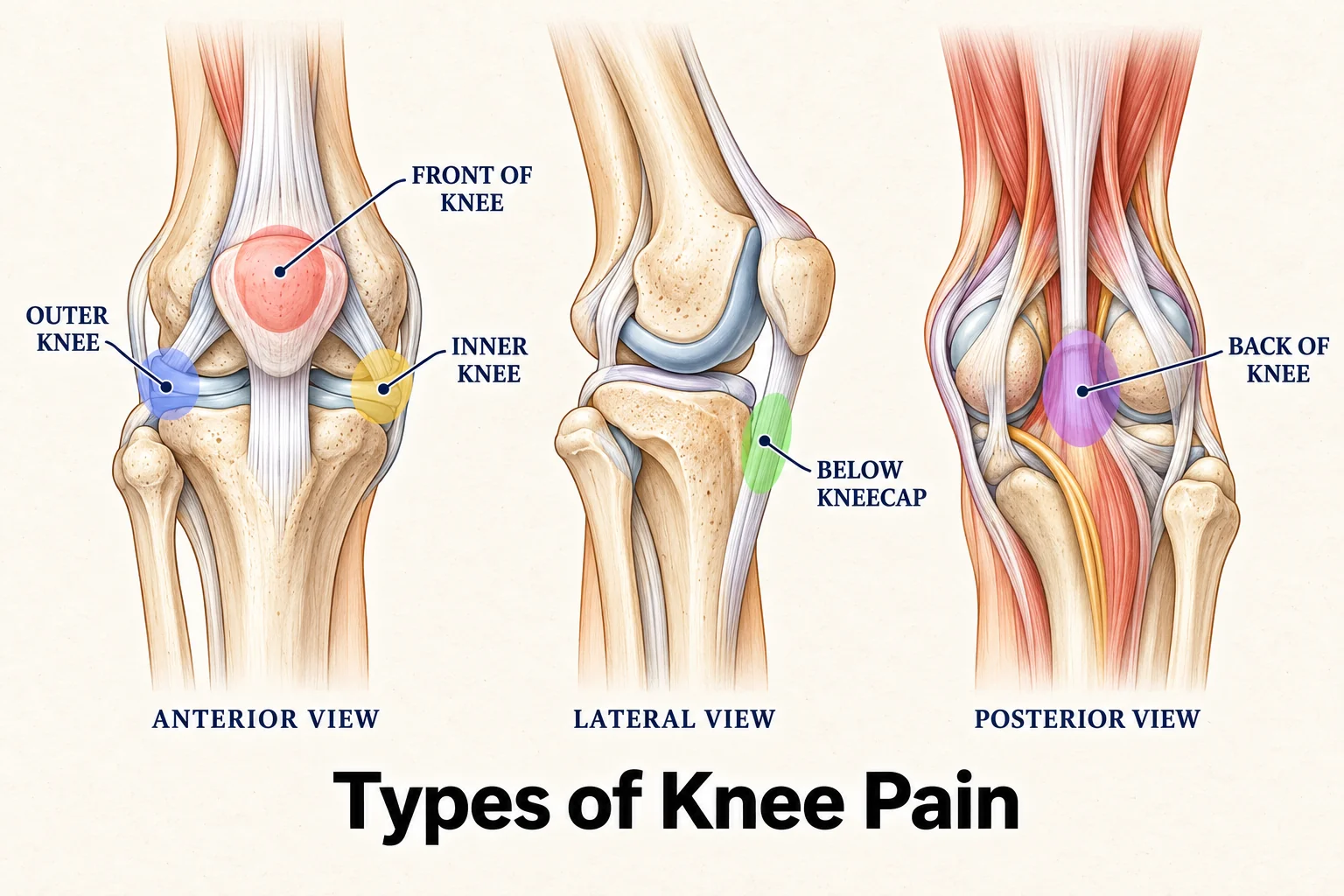
Knee Pain: Causes, Symptoms, and Physiotherapy Treatment
Knee pain is one of the most common musculoskeletal problems and can affect people of different ages and activity levels. It may interfere with walking, standing, climbing stairs, squatting, getting up from a chair, exercising or participating in sports.
Read More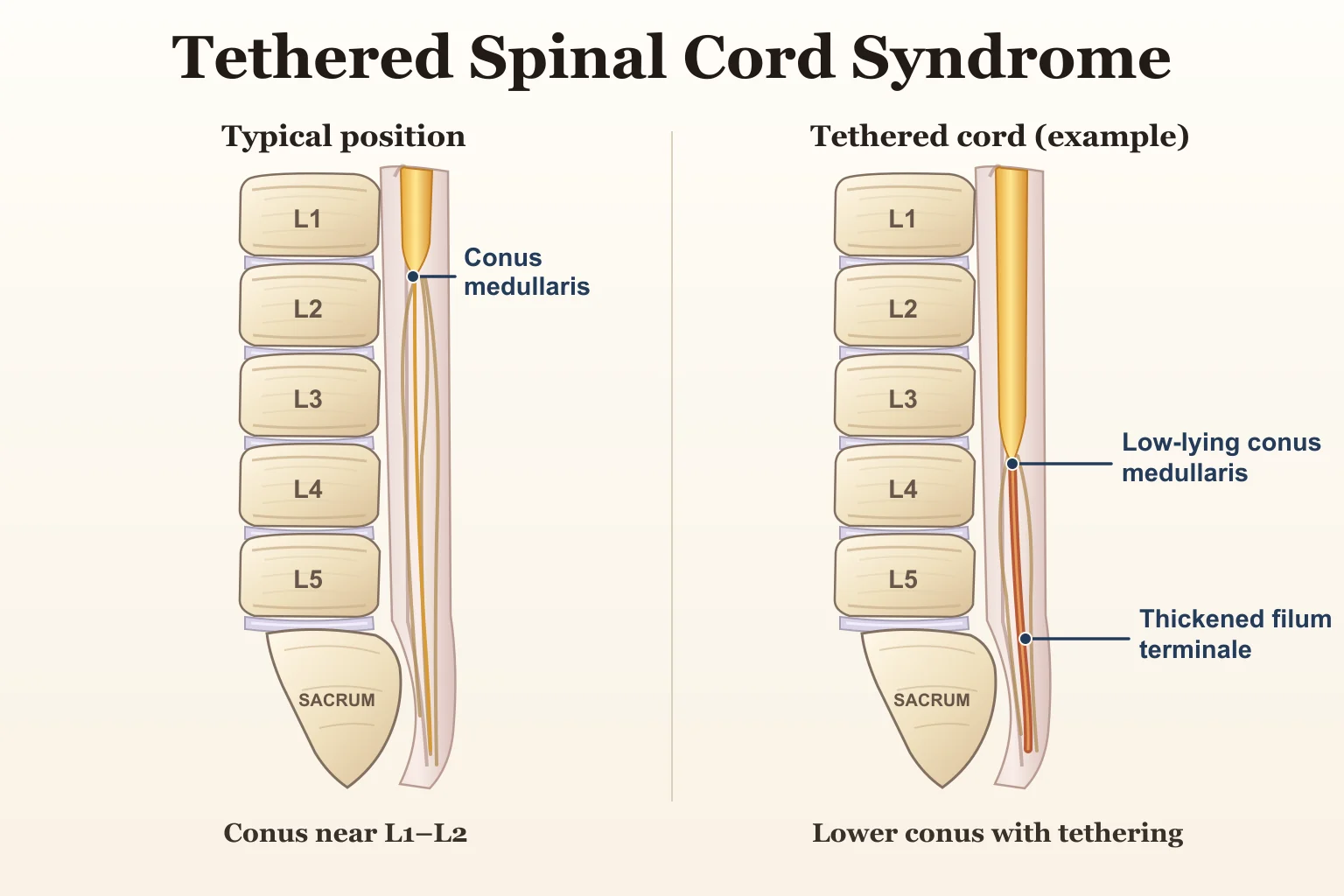
Tethered Spinal Cord Syndrome: Symptoms, Diagnosis, Treatment & How It Differs from PLID
Low-back pain, leg pain, numbness, tingling, or weakness are commonly associated with conditions such as lumbar disc herniation or PLID. In many patients, these symptoms are indeed related to a disc problem. However, not every neurological symptom involving the lower back and legs originates from an intervertebral disc.
Read more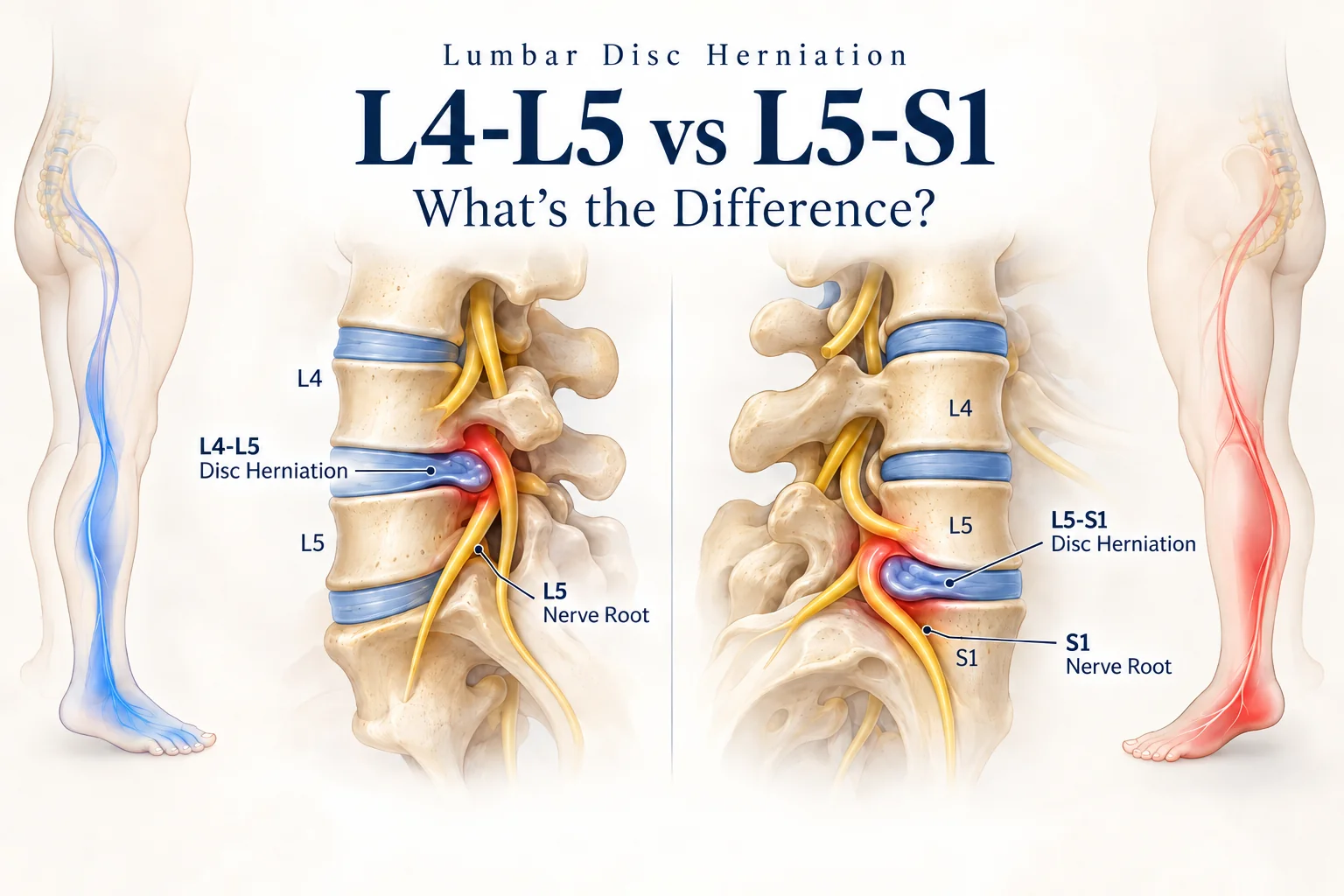
L4-L5 vs L5-S1 Disc Herniation: Symptoms, Nerve Involvement & Physiotherapy
Lower back pain that travels into the buttock, leg, or foot is often associated with a lumbar disc problem. When an MRI report shows L4-L5 disc herniation or L5-S1 disc herniation, many patients wonder what these terms mean and whether one condition is more serious than the other.
Read more
Disc Bulge vs Herniated Disc: What Does PLID Actually Mean?
An MRI report of the spine may contain terms such as disc bulge, disc protrusion, disc extrusion, herniated disc, prolapsed disc or PIVD. Because several of these terms sound similar, patients often assume they all describe the same condition or represent different stages of one disease.
Read more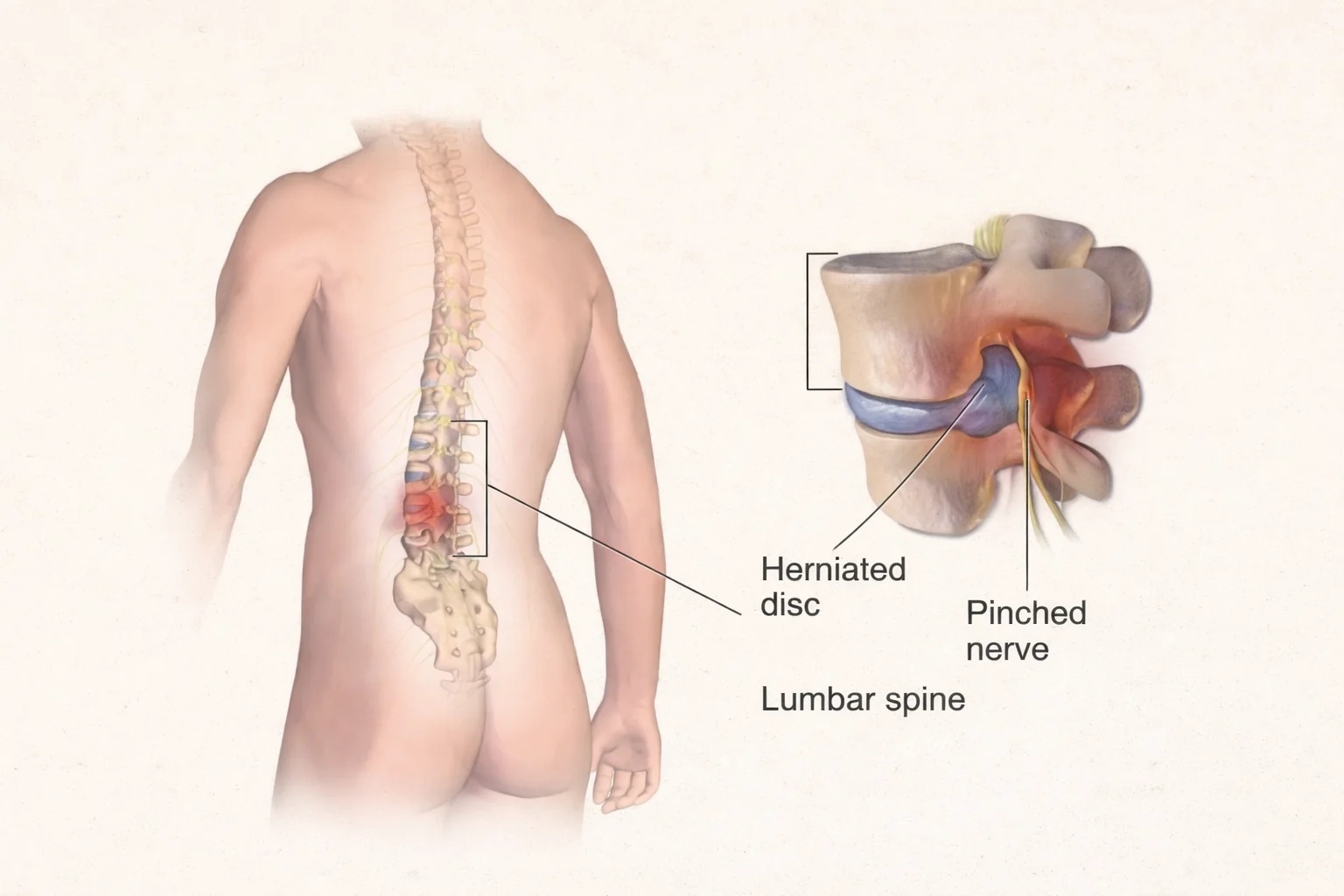
PLID (Prolapsed Lumbar Intervertebral Disc): Causes, Symptoms & Physiotherapy Treatment
Prolapsed Lumbar Intervertebral Disc (PLID) occurs when one of the soft discs between the vertebrae in your lower back bulges out or ruptures, pressing on nearby spinal nerves. This leads to lower back pain, sciatica (leg pain), numbness, or weakness.
Read more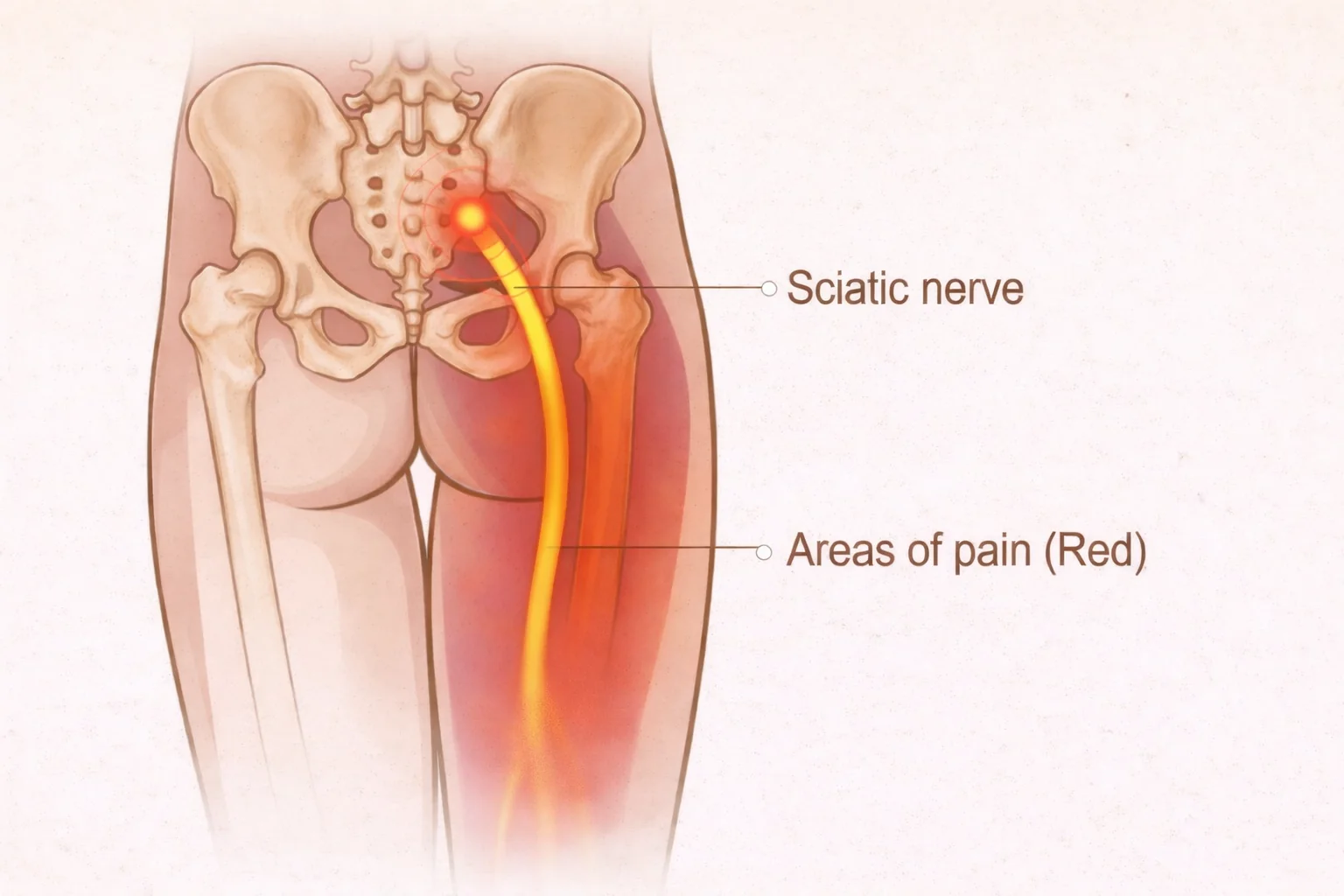
Sciatica Pain: Causes, Symptoms & Physiotherapy Treatment
Sciatica pain causes sharp discomfort that travels from the lower back through the hip and down the leg, often accompanied by tingling or numbness. The pain may worsen after sitting for a long time, sudden twisting, or standing for extended periods. Many patients feel increased pain while walking, bending forward, or trying to stand up from a seated position.
Read more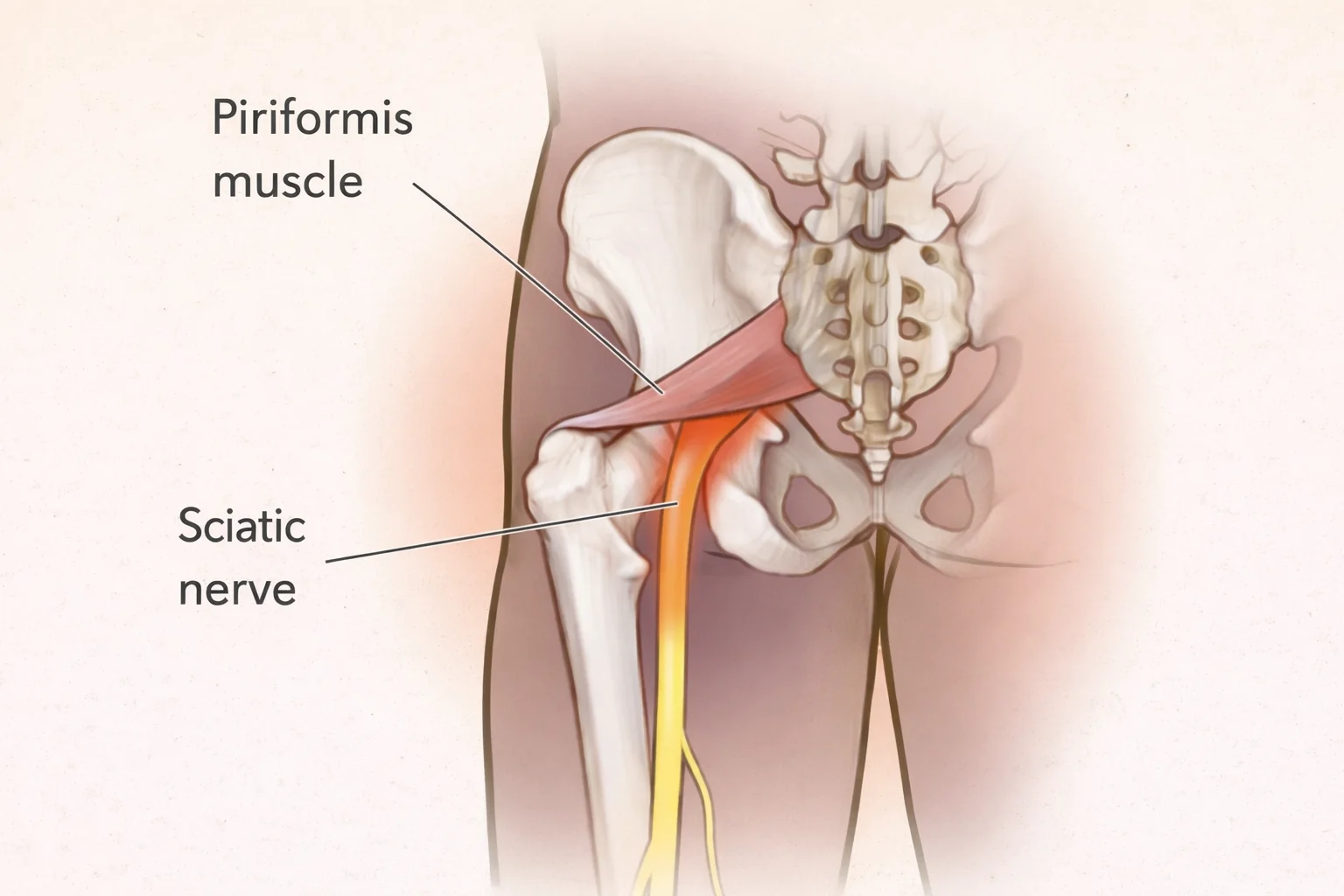
Piriformis Syndrome: Causes, Symptoms & Physiotherapy Treatment
Piriformis Syndrome is a condition where the piriformis muscle in the buttock compresses the sciatic nerve, causing buttock pain, hip pain, and radiating leg pain similar to sciatica. This condition is increasingly common among people who sit for long hours, ride motorcycles, or perform repetitive hip movements.
Read more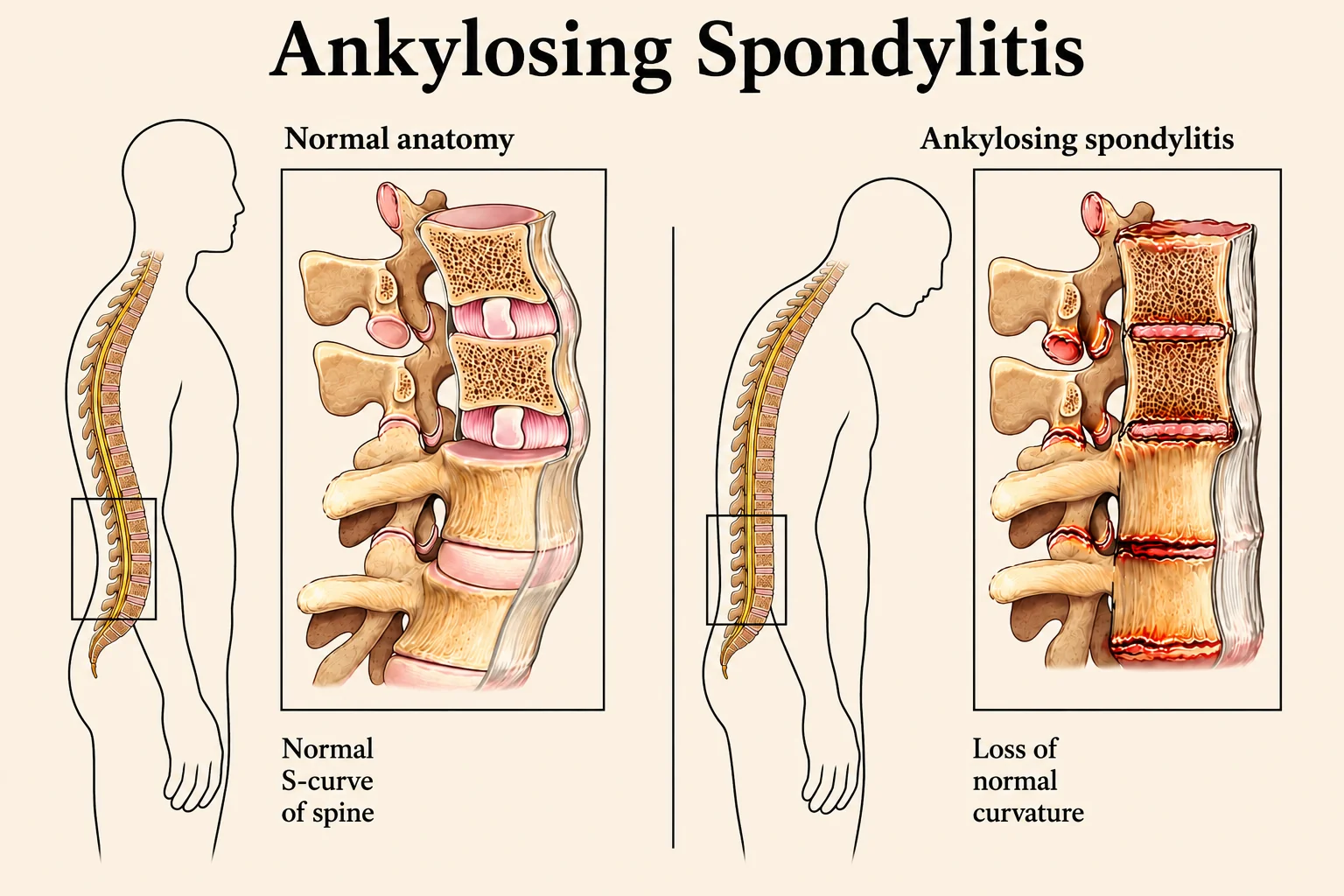
Ankylosing Spondylitis: Symptoms, Causes, and Physiotherapy Treatment
Persistent lower back stiffness and spinal pain are often misunderstood as simple muscle strain or age-related discomfort. However, in some individuals these symptoms may gradually progress into a chronic inflammatory spinal condition known as Ankylosing Spondylitis.
Read More
Low Back Pain (LBP) Physiotherapy Treatment
Back pain affects millions, and for many in Dhaka, it's one of the top reasons to seek physiotherapy. Whether it's due to poor posture, long office hours, injury, or spine conditions like PLID or arthritis, ADPORC provides expert care to bring lasting relief.
Read more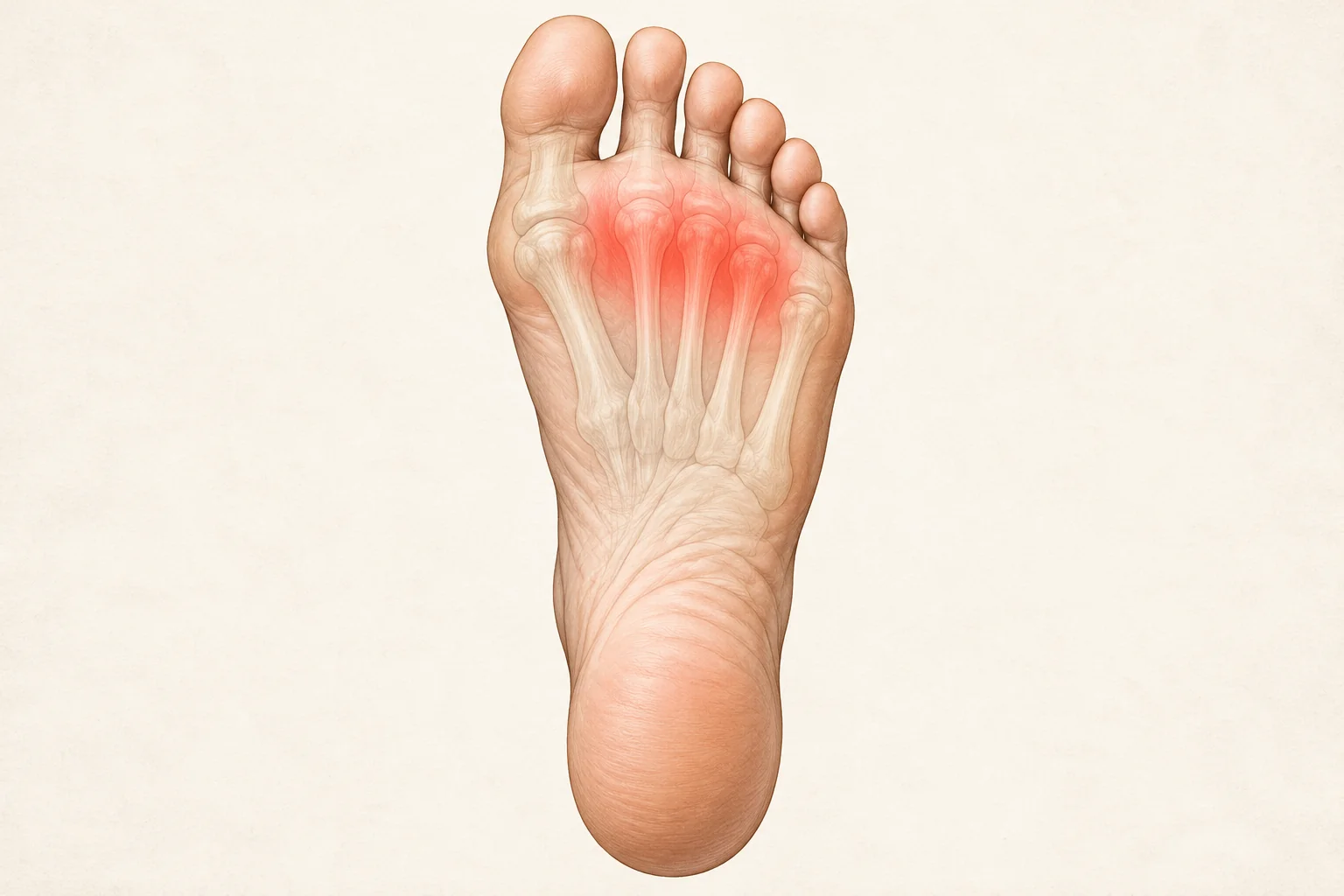
Metatarsalgia (Ball of Foot Pain): Causes, Symptoms & Physiotherapy Treatment
Pain or burning beneath the ball of the foot can make ordinary activities such as walking, standing, running or even wearing regular shoes uncomfortable. Some people describe the sensation as pressure beneath the toes, while others feel as though they are stepping on a small stone. Because the discomfort occurs in the foot, it is sometimes assumed to be plantar fasciitis or simply described as general foot pain, even though the painful area and underlying mechanism may be quite different.
Read more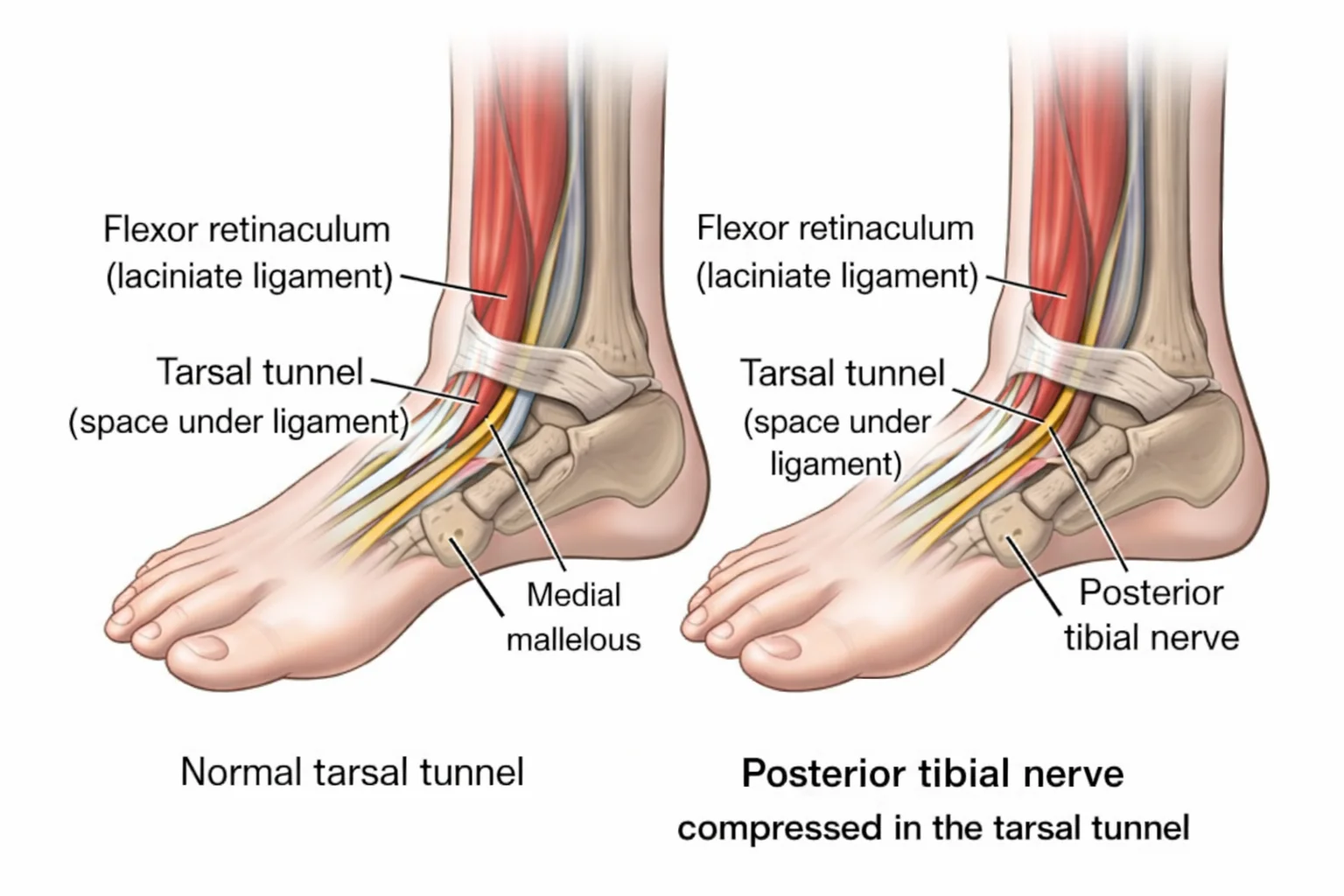
Tarsal Tunnel Syndrome: Causes, Symptoms & Physiotherapy Treatment
Tarsal Tunnel Syndrome is a condition that causes pain, numbness, and tingling in the foot. It occurs when the tibial nerve is compressed as it travels through the tarsal tunnel.
Read more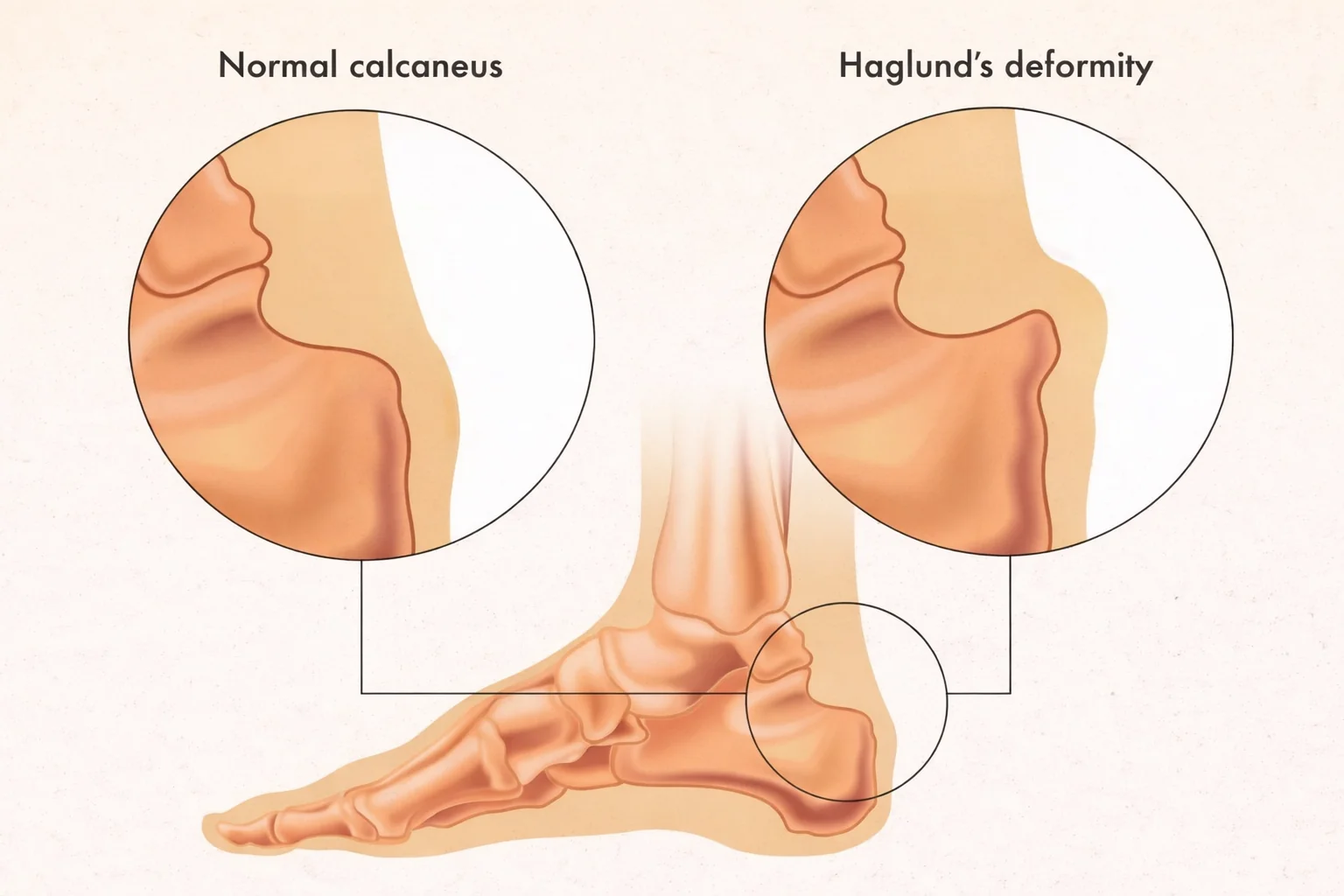
Haglund’s Deformity (Heel Pain): Causes, Symptoms & Physiotherapy Treatment
Haglund’s deformity is a common but often misunderstood heel condition where a bony enlargement develops at the back of the calcaneus. This bump leads to friction, swelling, and pain, especially when wearing closed shoes. The condition is prevalent in young adults, office workers, athletes, and anyone who frequently walks or uses tight shoes.
Read more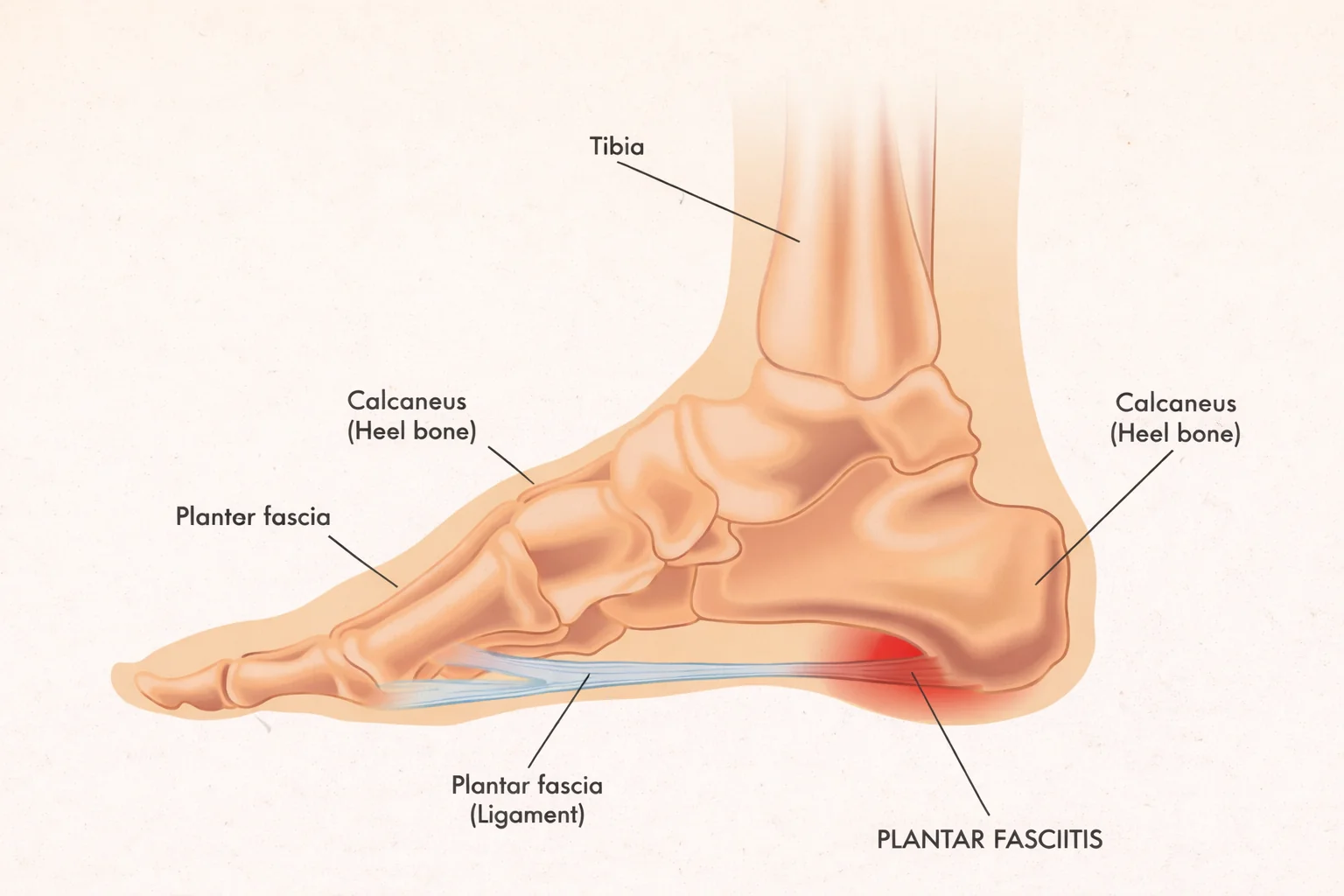
Plantar Fasciitis (Heel Pain): Causes, Symptoms & Physiotherapy Treatment
Plantar fasciitis, commonly known as heel pain, is one of the most frequent causes of foot discomfort in adults. It becomes worse in the morning, during the first steps after waking up, or after long periods of standing.
Read more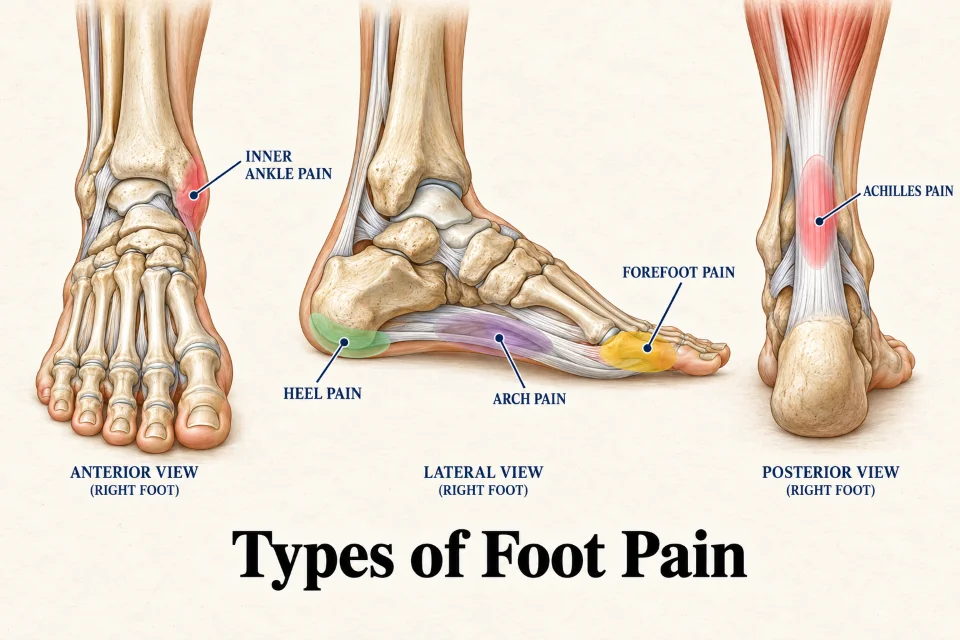
Foot Pain: Causes, Symptoms, Diagnosis, and Physiotherapy Management
Foot pain is a common but often neglected problem that can significantly affect daily activities such as standing, walking, climbing stairs, or wearing regular footwear. When foot pain is left untreated, altered walking patterns can gradually place abnormal stress on the knees, hips, and lower back, leading to secondary musculoskeletal pain and long-term mobility issues.
Read More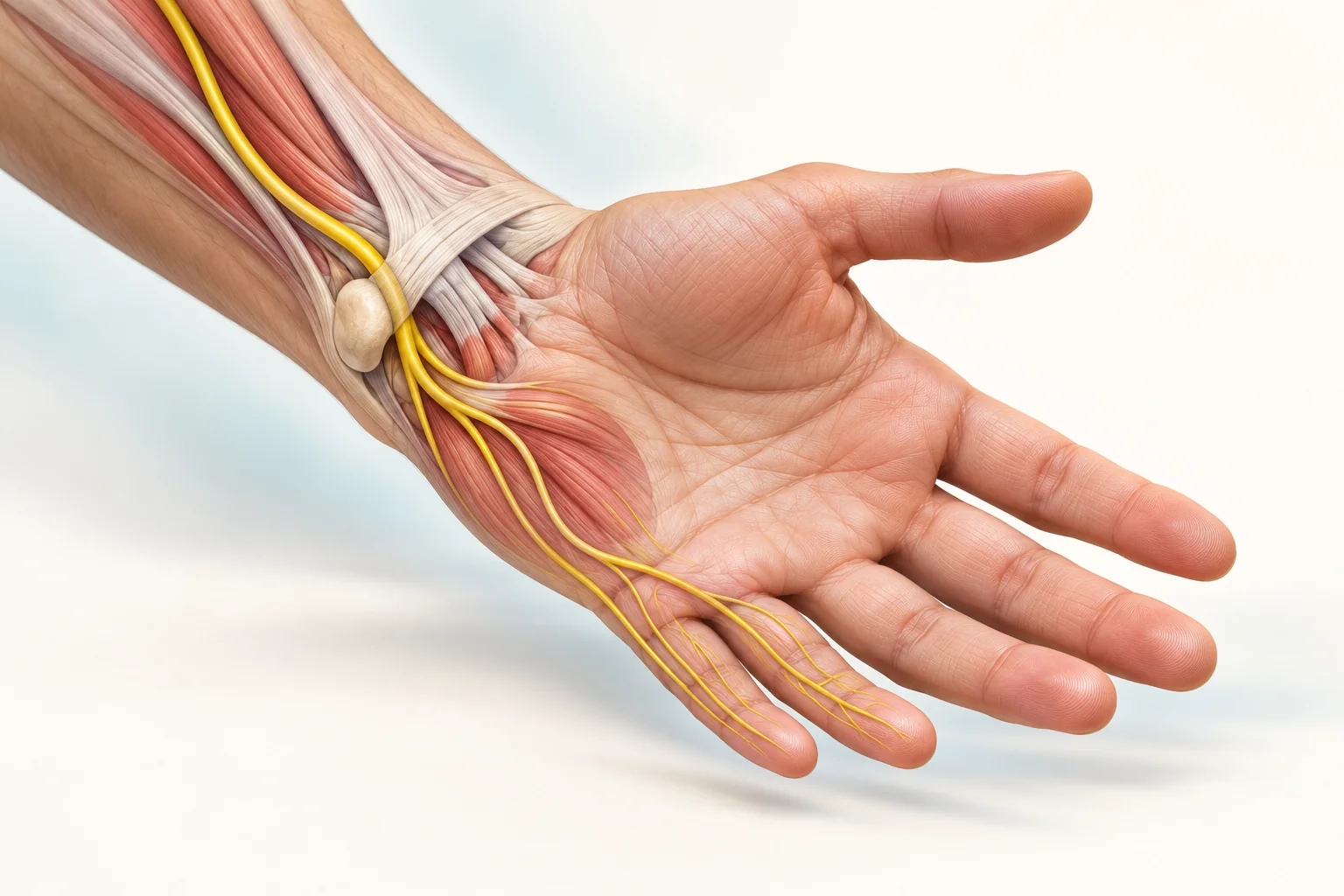
Guyon's Canal Syndrome (Ulnar Tunnel Syndrome): Causes, Symptoms & Physiotherapy Treatment
Tingling or numbness in the little finger and the ulnar side of the ring finger may suggest involvement of the ulnar nerve. Many people assume that these symptoms always come from the elbow, but the ulnar nerve can also become compressed farther down the upper limb at the wrist.
Read more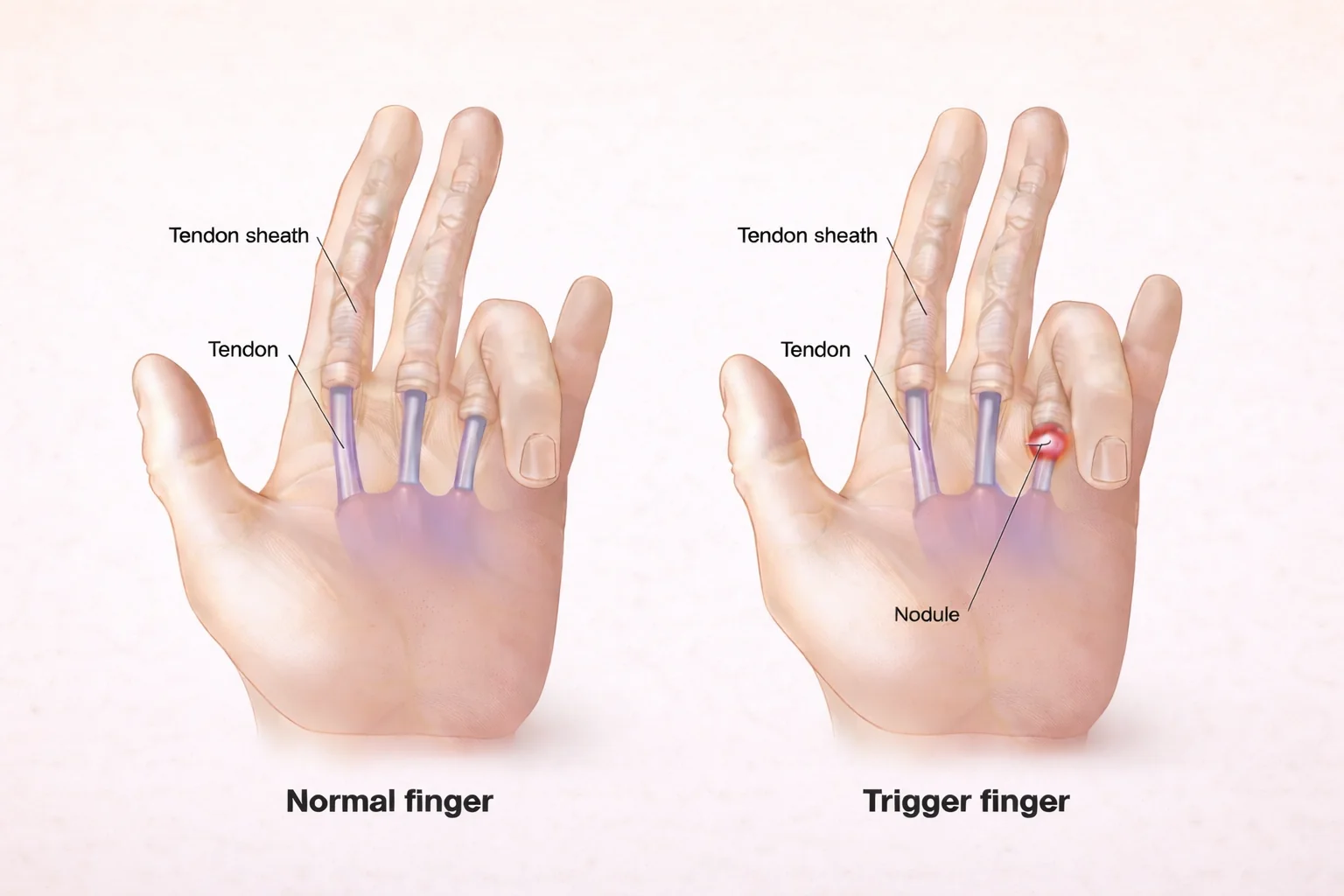
Trigger Finger (Stenosing Tenosynovitis): Causes, Symptoms & Physiotherapy Treatment
Trigger Finger, medically known as stenosing tenosynovitis, is a painful hand condition where a finger gets stuck in a bent position and suddenly straightens with a snap.
Read more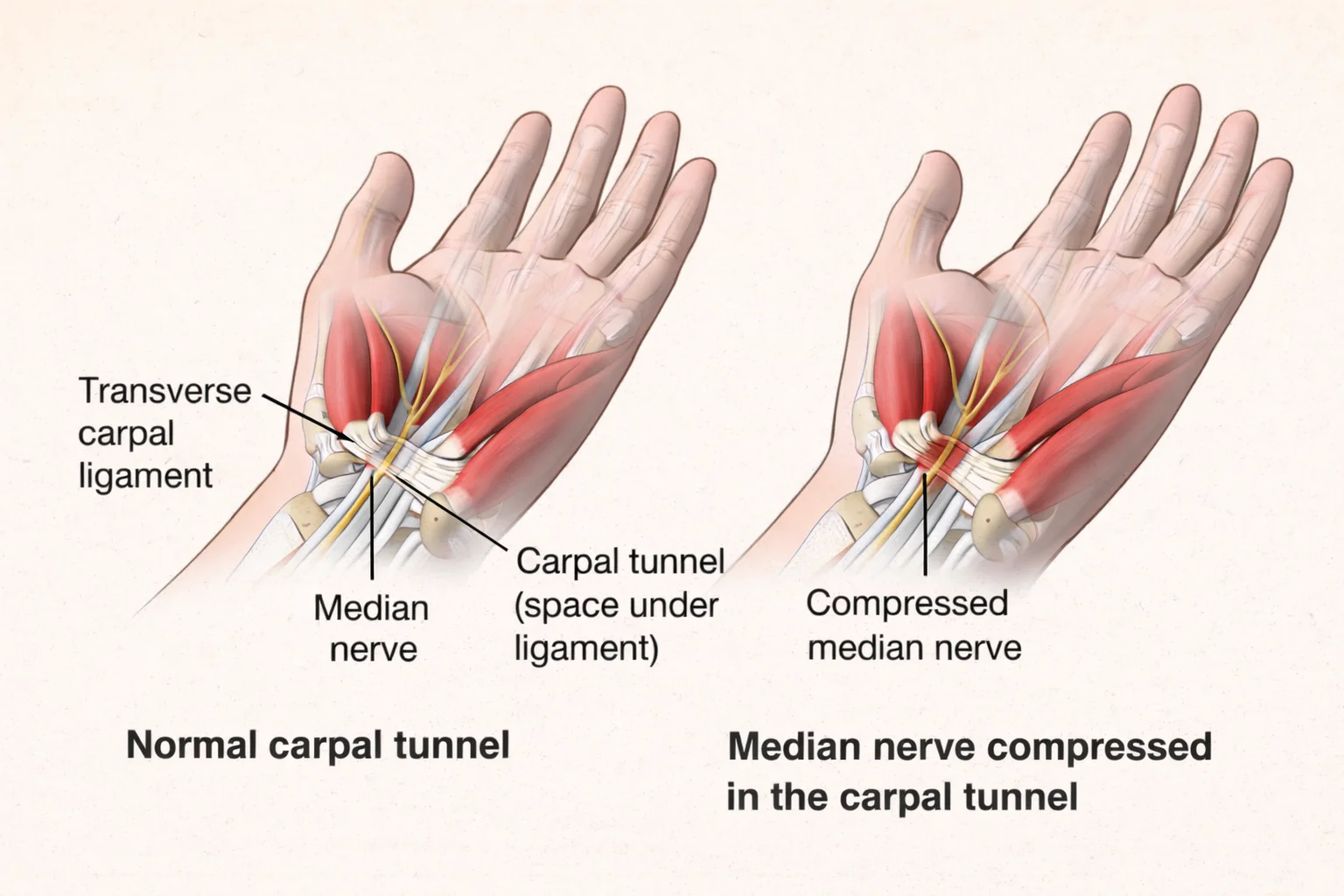
Carpal Tunnel Syndrome (CTS): Causes, Symptoms & Physiotherapy Treatment
Carpal Tunnel Syndrome (CTS) is one of the most common nerve compression disorders affecting office workers, homemakers, mobile users, and people who frequently use their hands for repetitive tasks. At ADPORC, Jatrabari, Dhaka, we offer scientific, non-surgical physiotherapy to relieve numbness, pain, and tingling caused by CTS.
Read more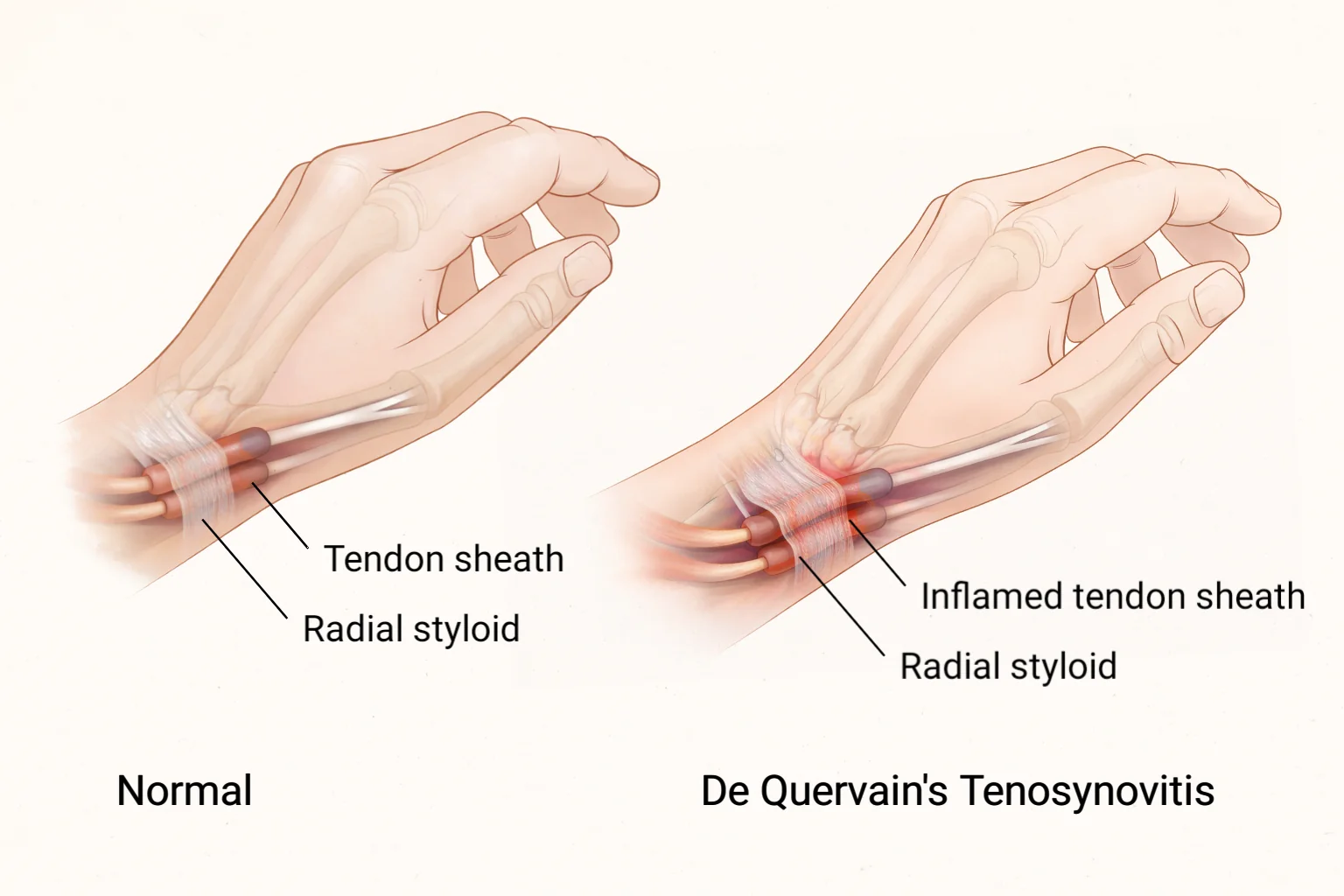
De Quervain’s Tenosynovitis: Causes, Symptoms & Physiotherapy Treatment
Pain on the thumb side of the wrist is often ignored at first. Many people assume it is just a minor strain from lifting, typing, or using a smartphone. However, when that pain becomes sharper during gripping, twisting, or lifting objects, it may indicate a specific tendon condition known as “De Quervain’s Tenosynovitis.”
Read more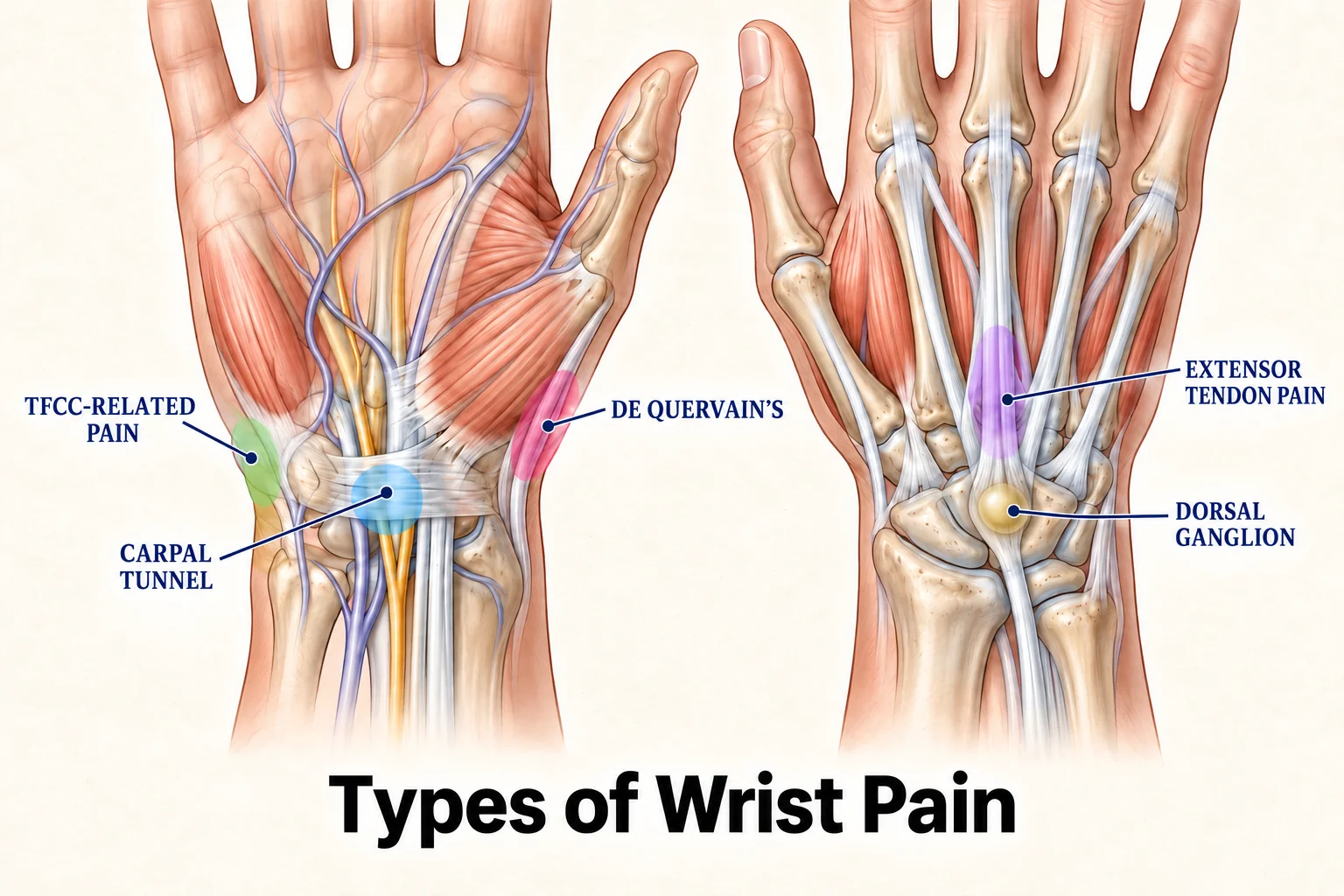
Wrist Pain: Causes, Symptoms, and Physiotherapy Treatment
Wrist pain is a common upper-limb problem that can interfere with gripping, typing, writing, lifting objects, using a smartphone, opening containers, exercising or performing repetitive hand activities.
Read More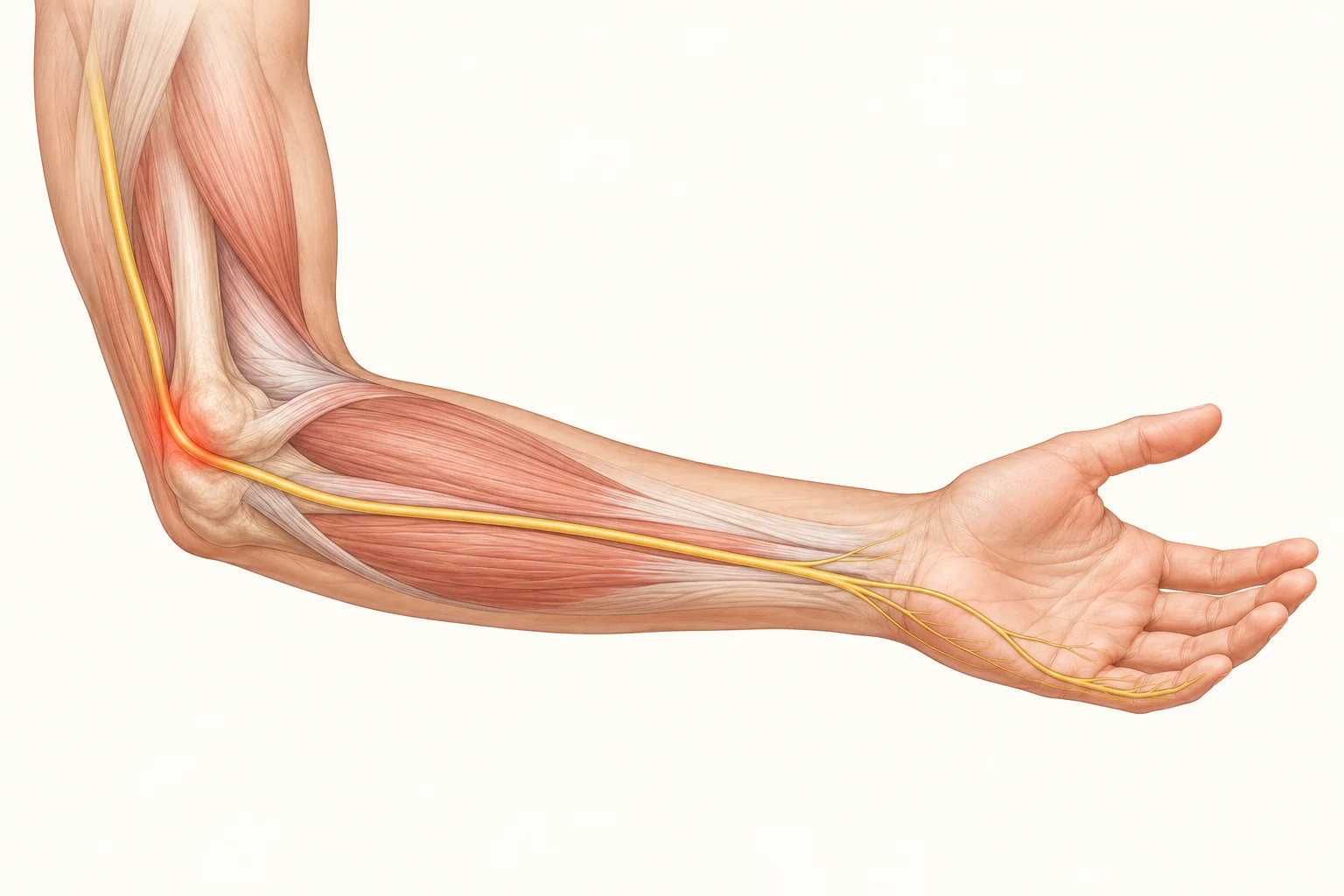
Cubital Tunnel Syndrome: Causes, Symptoms & Physiotherapy Treatment
Cubital Tunnel Syndrome is one of the most common nerve compression disorders affecting office workers, homemakers, mobile users, and people who frequently use their hands for repetitive tasks. At ADPORC, Jatrabari, Dhaka, we offer scientific, non-surgical physiotherapy to relieve numbness, pain, and tingling caused by CTS.
Read more
Golfer Elbow (Medial Epicondylitis): Causes, Symptoms & Physiotherapy Treatment
Golfer elbow, medically known as medial epicondylitis, is a painful condition where the tendons on the inner side of the elbow become inflamed due to repetitive wrist and forearm movements.
Read more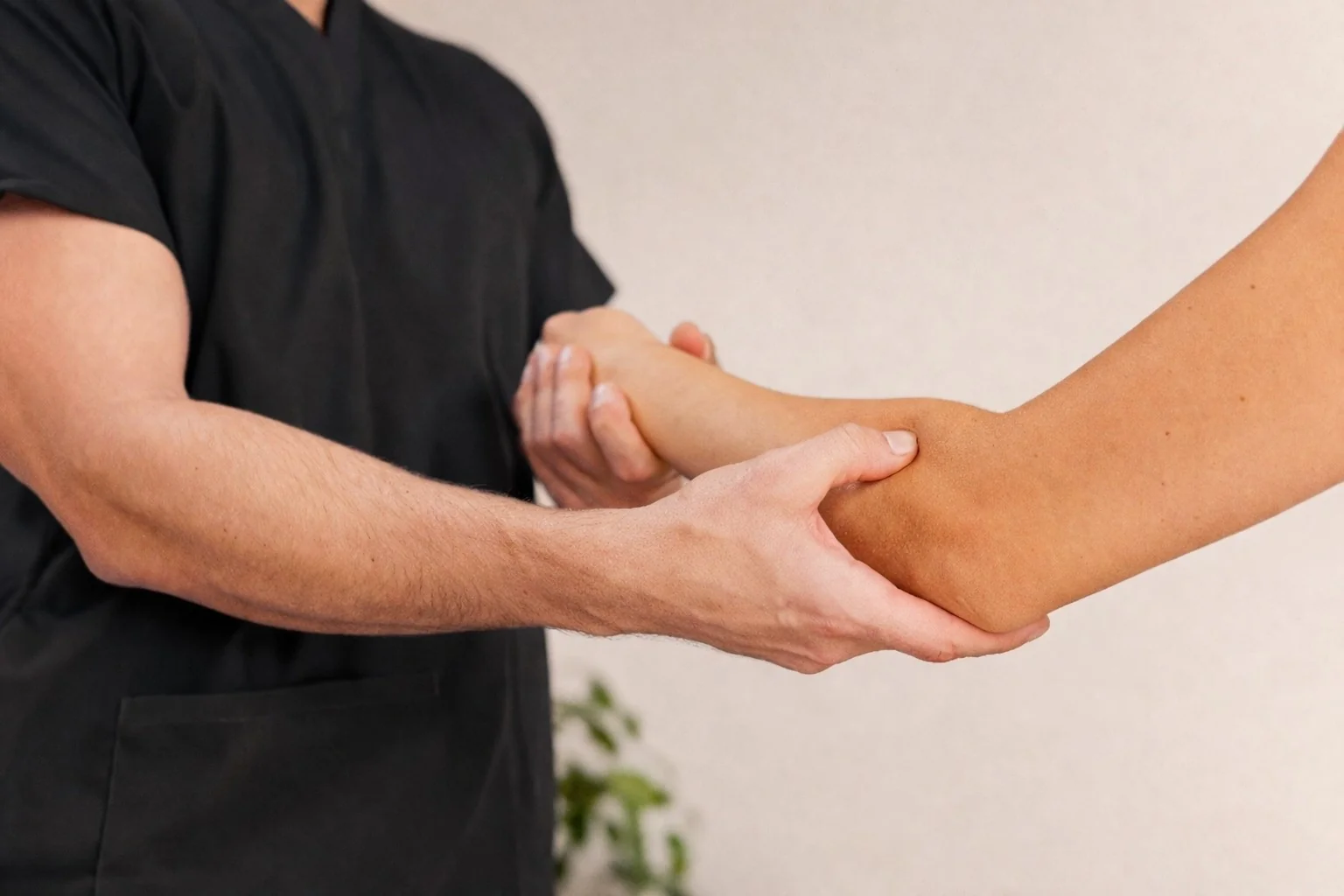
Tennis Elbow (Lateral Epicondylitis): Causes, Symptoms & Physiotherapy Treatment
Tennis elbow, medically known as lateral epicondylitis, is a painful condition where the tendons on the outer side of the elbow become inflamed due to repetitive wrist and forearm movements.
Read more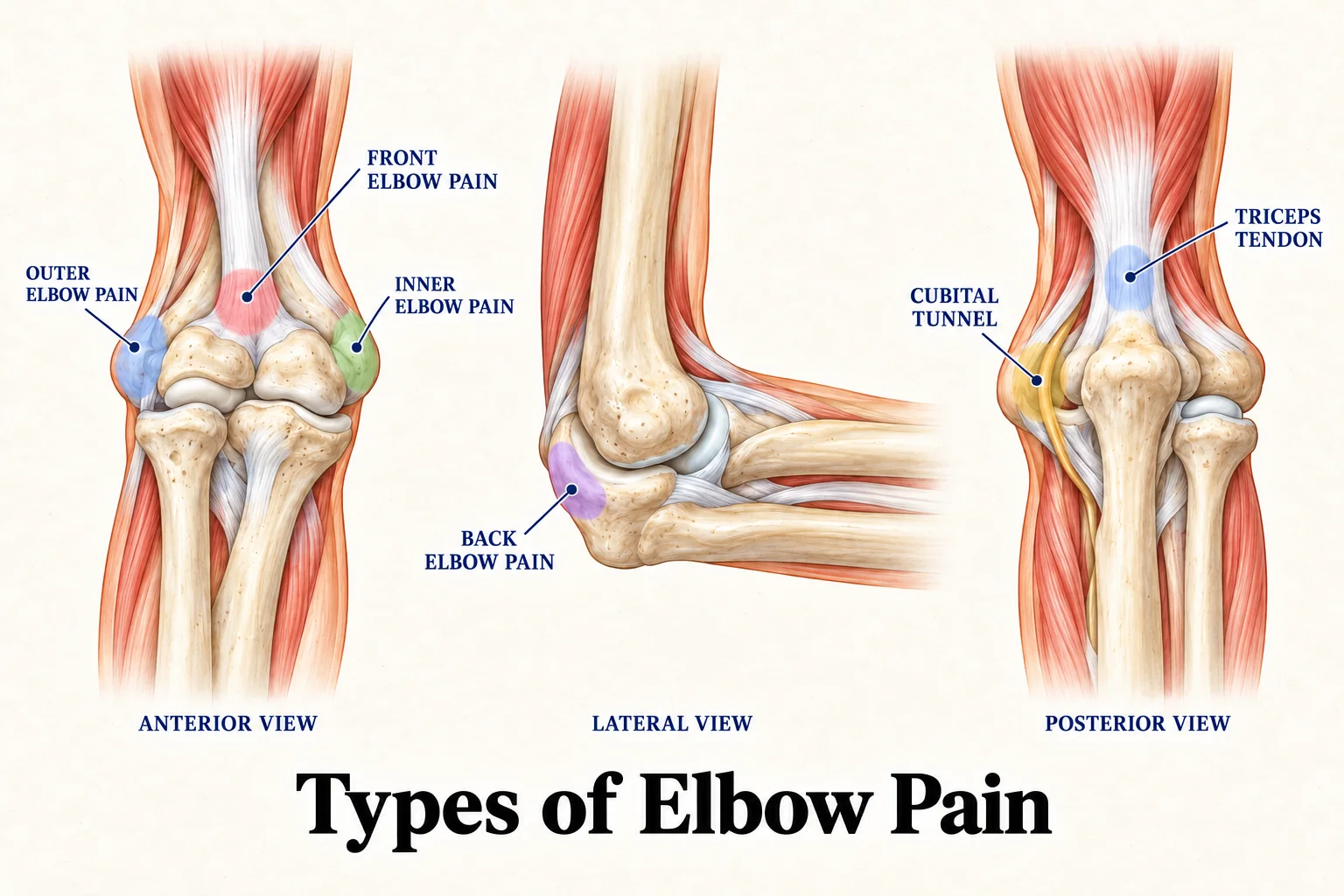
Elbow Pain: Causes, Symptoms, and Physiotherapy Treatment
Elbow pain is a common upper-limb problem that can interfere with everyday activities such as lifting, gripping, typing, carrying bags, opening containers or performing repetitive work. Some people develop pain gradually after repeated hand and wrist activities, while others experience symptoms after sports, heavy lifting, a fall or another injury.
Read More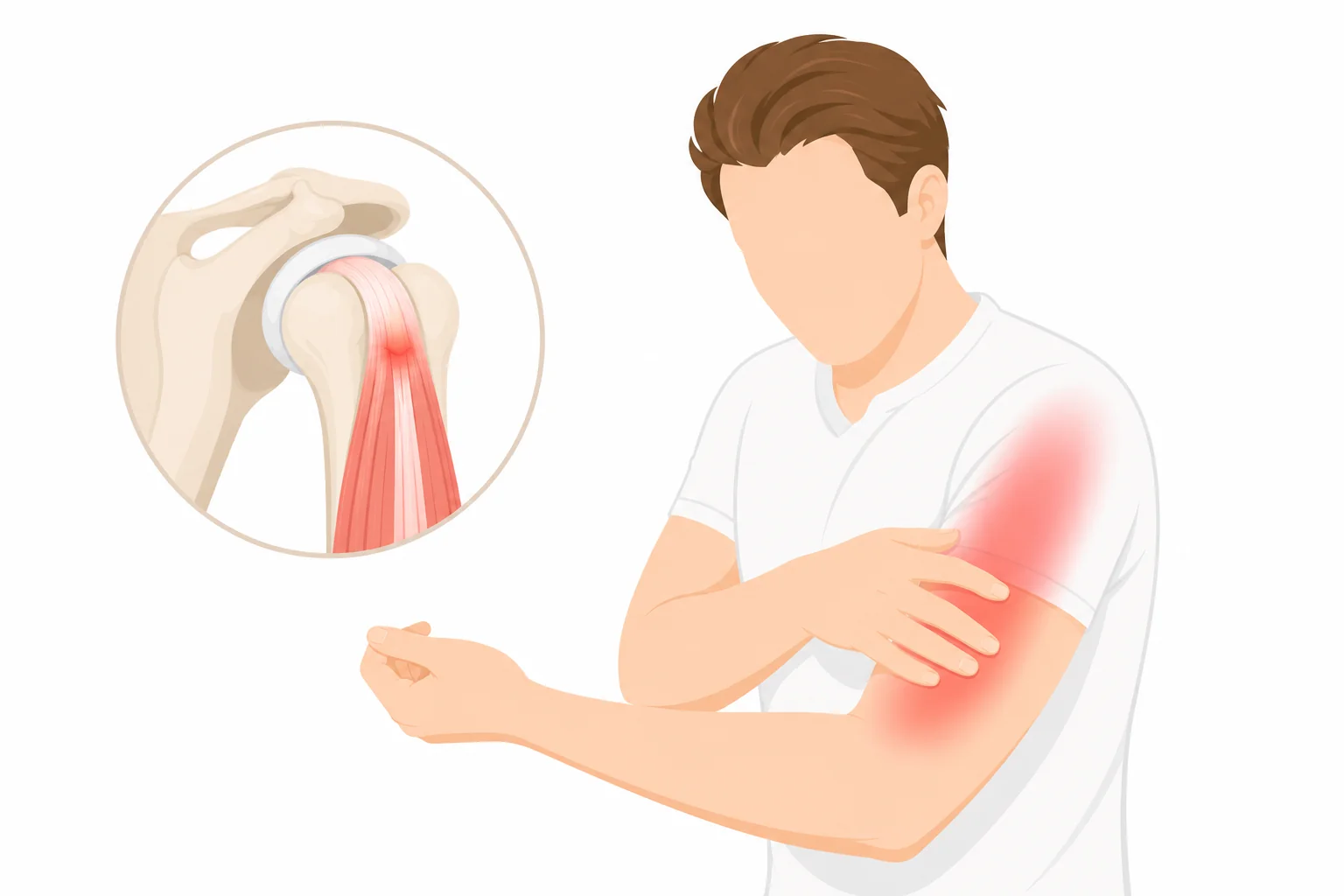
Bicipital Tendinitis: Symptoms, Causes, and Physiotherapy Treatment
Bicipital Tendinitis is a common cause of anterior shoulder pain that often affects people who use their arms frequently for lifting, reaching, or repetitive overhead activities. It is frequently mistaken for general shoulder stiffness or muscle strain, which delays the correct treatment.
Read More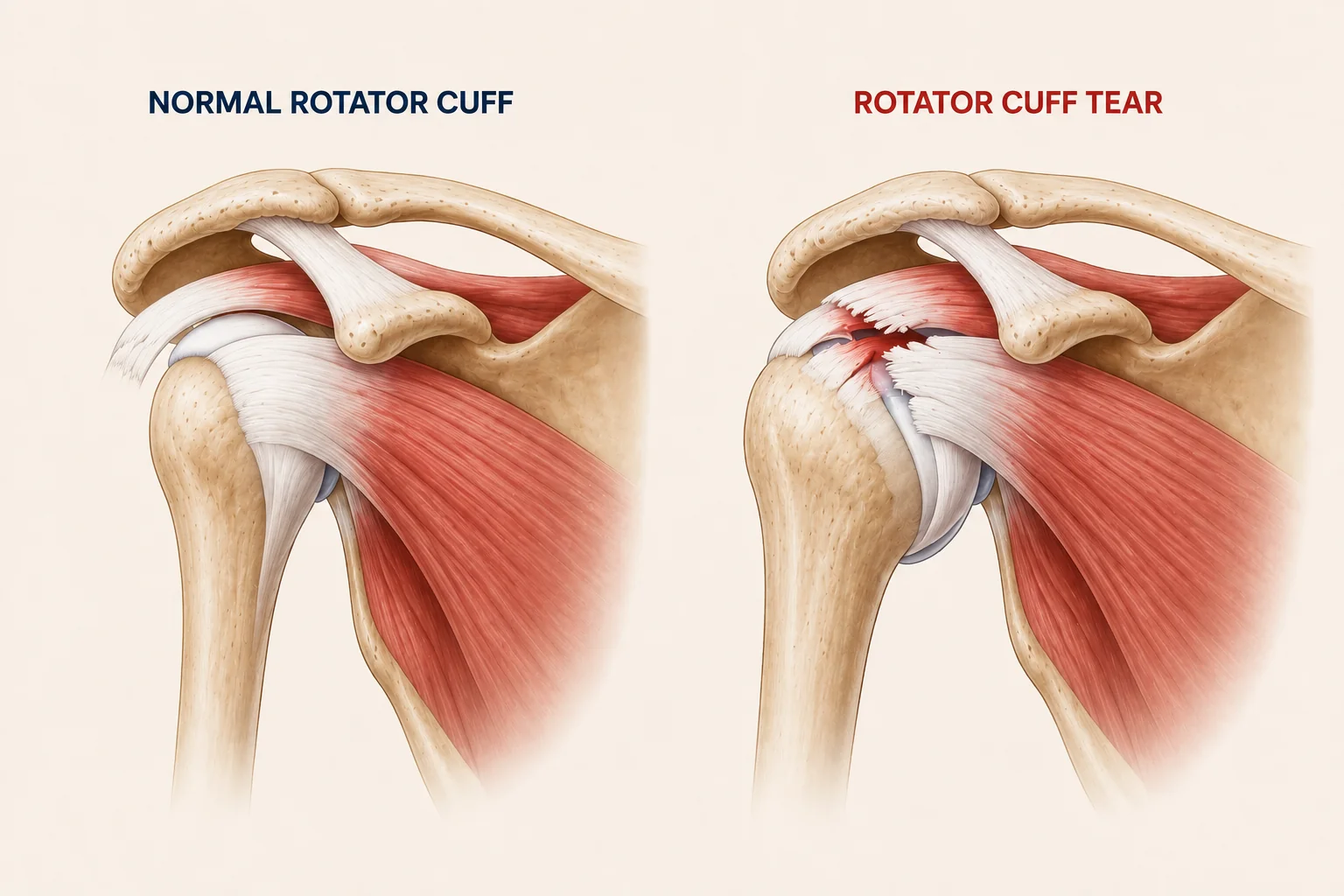
Rotator Cuff Tear: Symptoms, Causes, and Physiotherapy Treatment
Shoulder pain that makes it difficult to lift your arm, reach overhead, or sleep comfortably could be more than a simple muscle strain. One common cause of persistent shoulder pain is a rotator cuff tear is a condition that affects the tendons responsible for stabilizing and moving the shoulder joint.
Read More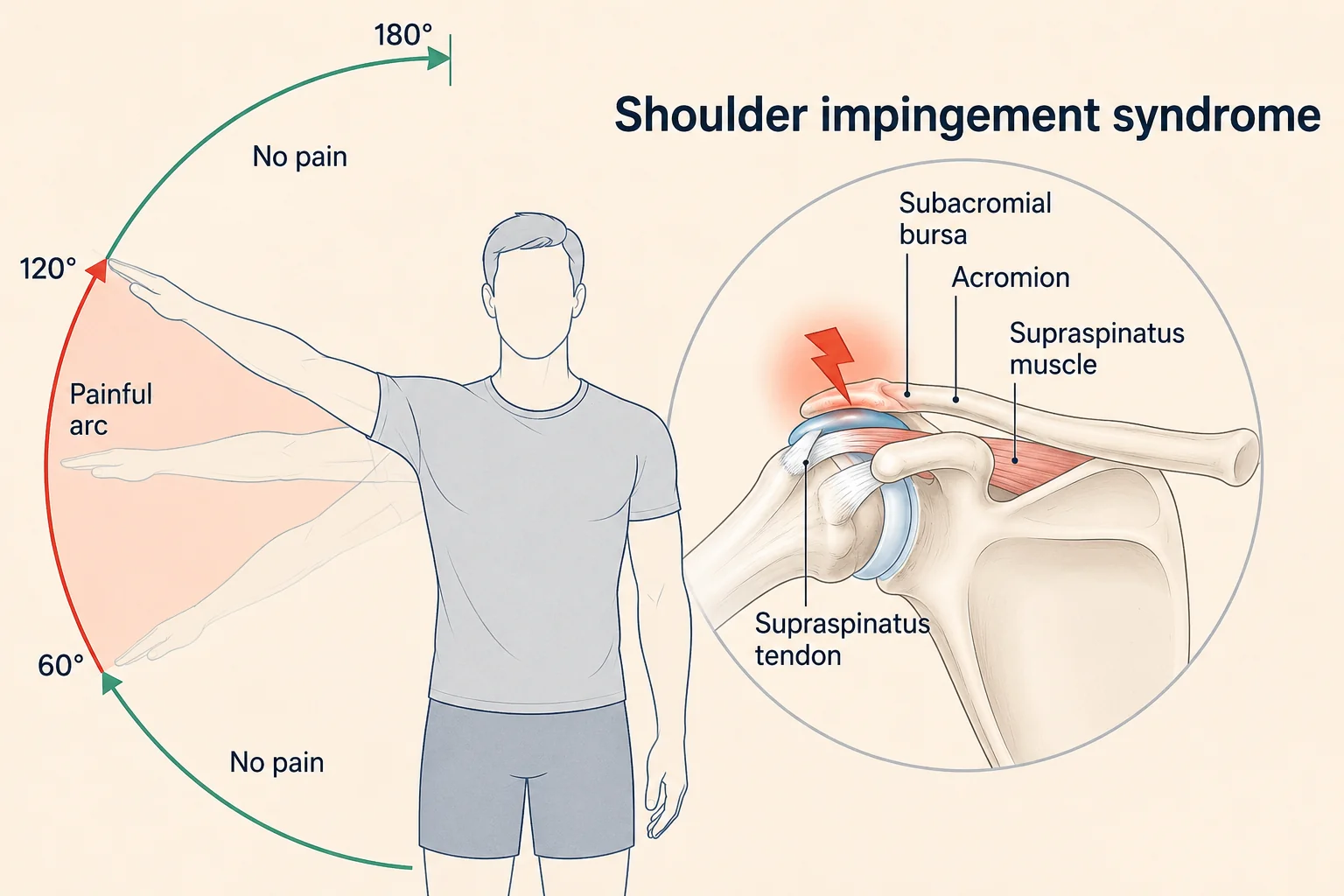
Shoulder Impingement Syndrome: Symptoms, Causes, and Physiotherapy Treatment
Shoulder pain while lifting the arm overhead is one of the most common musculoskeletal complaints among adults. Many people initially ignore the pain thinking it is only temporary muscle strain, but untreated shoulder impingement syndrome can gradually affect daily activities, sleep, work performance, and shoulder mobility.
Read More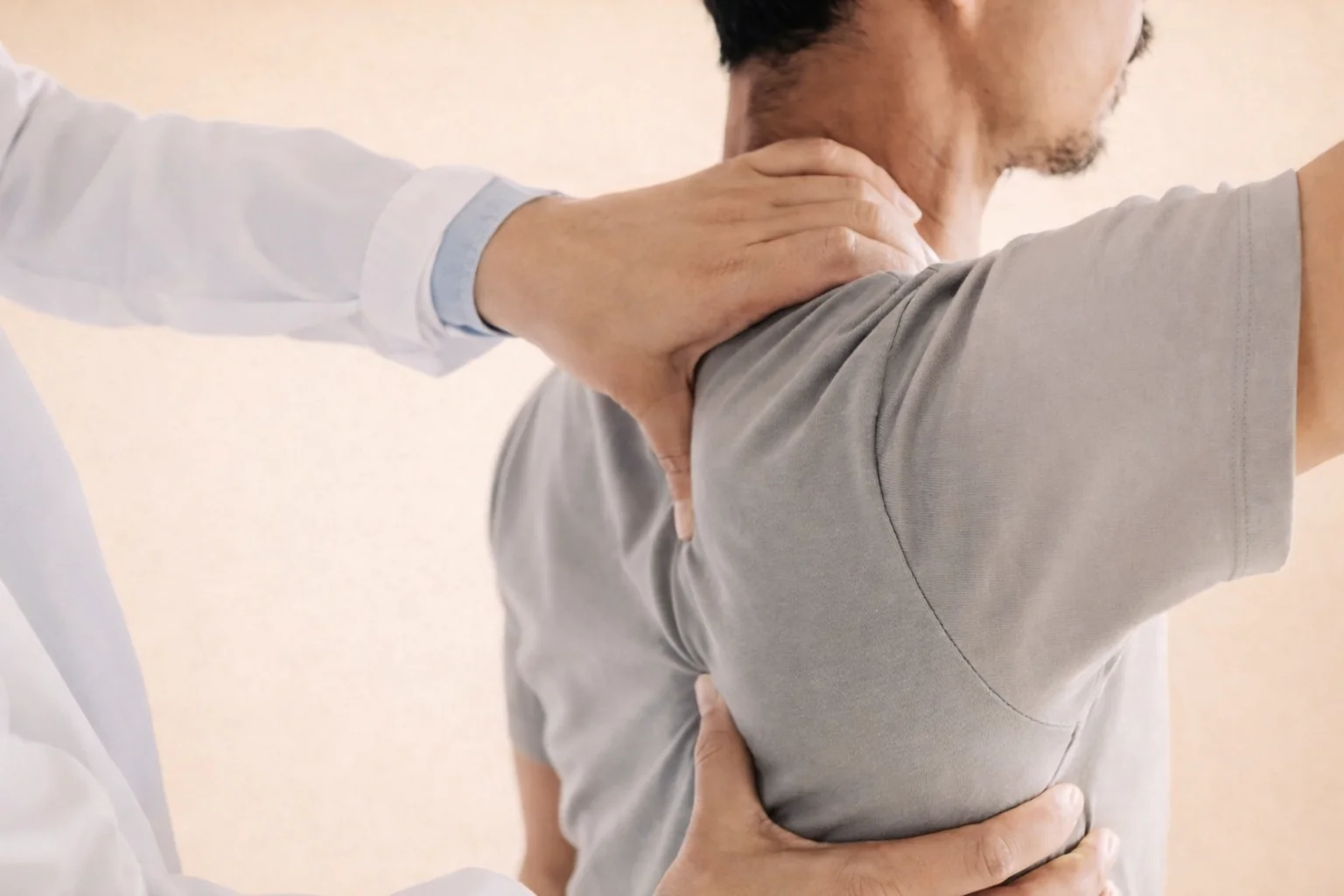
Frozen Shoulder: Causes, Symptoms & Physiotherapy Treatment
Frozen shoulder can rob you of lifting your arm overhead, reaching behind your back, or sleeping pain-free. At ADPORC, Dr. Saddam Hossain’s expert physiotherapy eases stiffness, restores shoulder mobility, and helps you move freely again.
Read more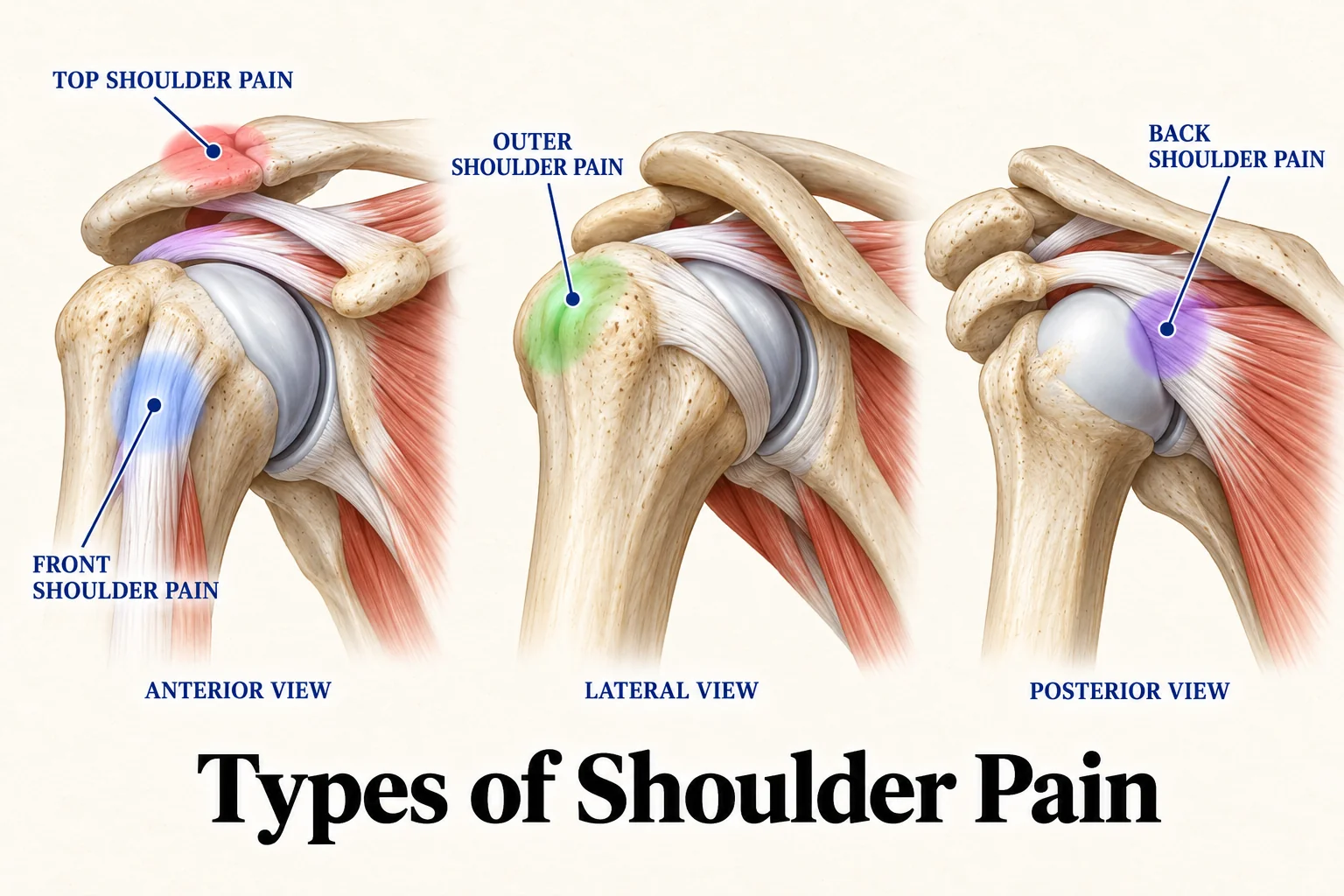
Shoulder Pain: Causes, Symptoms, and Physiotherapy Treatment
Shoulder pain can be debilitating and affect your ability to perform daily tasks. Whether caused by injury, overuse, or underlying conditions, shoulder pain requires proper diagnosis and treatment. Our physiotherapy approach focuses on restoring mobility, reducing pain, and improving overall function.
Read More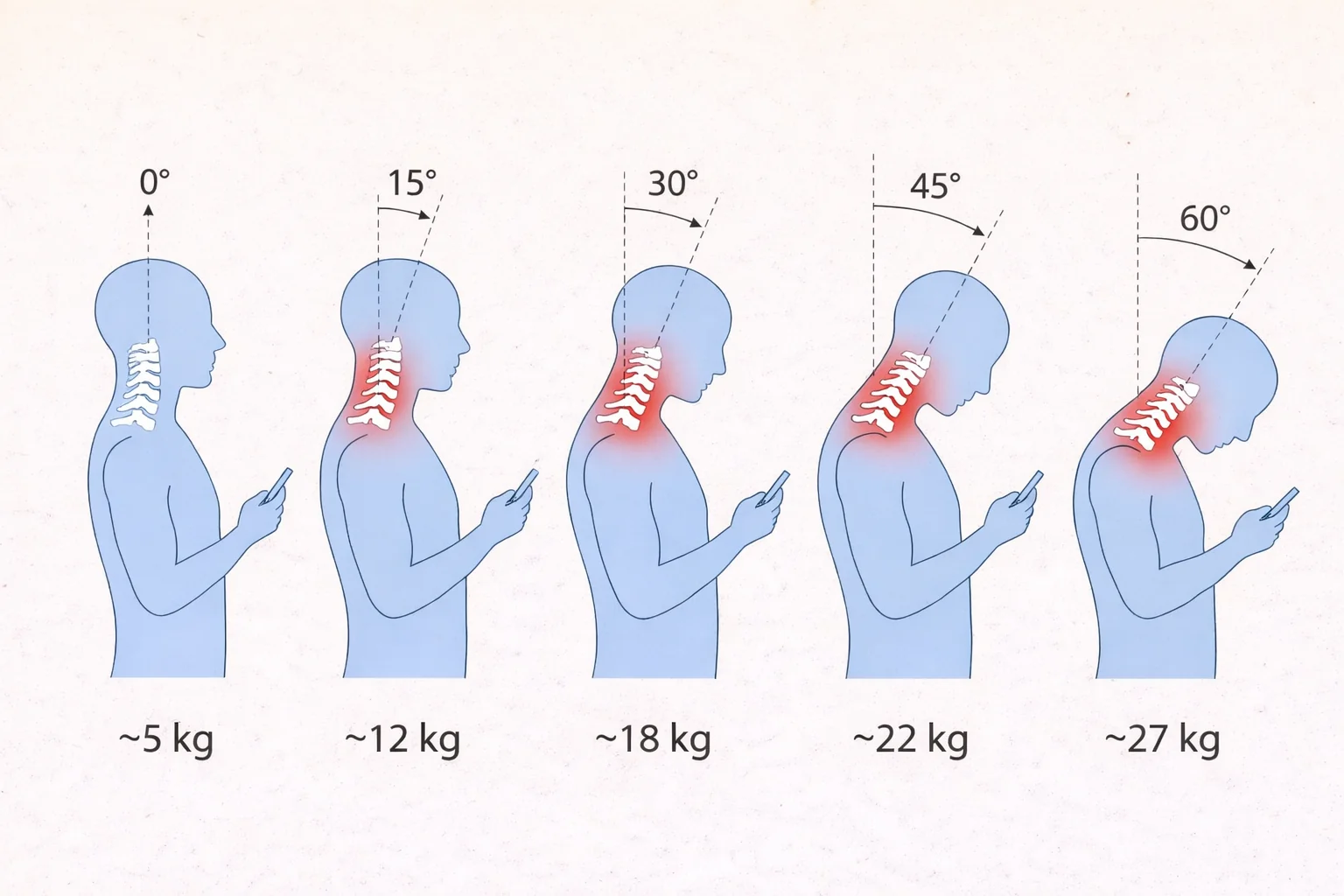
Text Neck Syndrome: Causes, Symptoms & Physiotherapy Treatment
Text Neck Syndrome can disrupt your daily life by causing persistent neck pain, stiffness, headaches, and reduced neck mobility due to prolonged screen use. At ADPORC, we provide specialized physiotherapy care to correct posture, reduce pain, and restore normal neck movement through safe and effective treatment.
Read More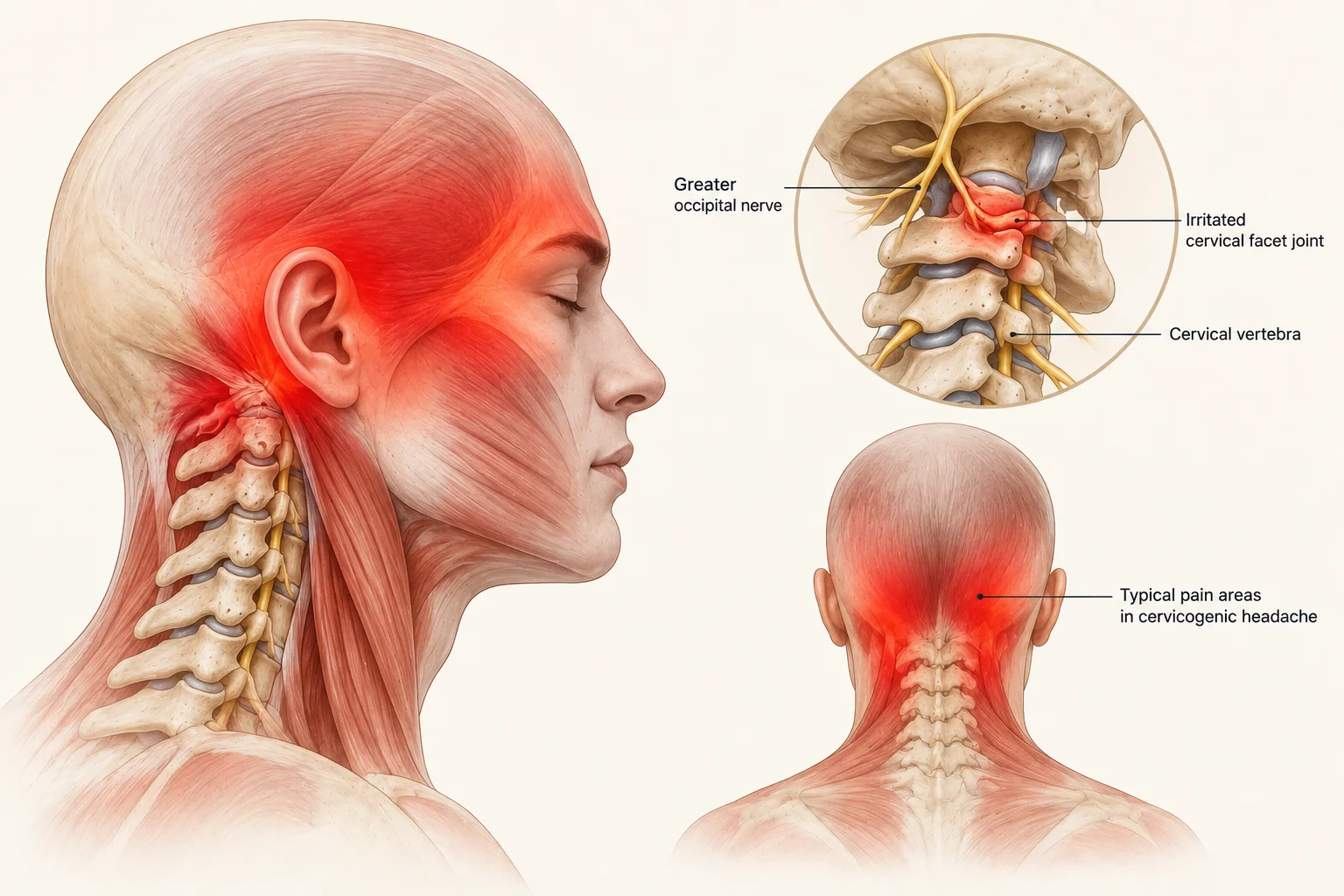
Cervicogenic Headache: Causes, Symptoms & Physiotherapy Treatment
Headache is often blamed on stress, migraine, sinus problems, or poor sleep. But in some people, the real source of the pain is the neck. This type of headache is called cervicogenic headache. It happens when joints, muscles, discs, or nerves in the cervical spine refer pain upward into the head.
Read More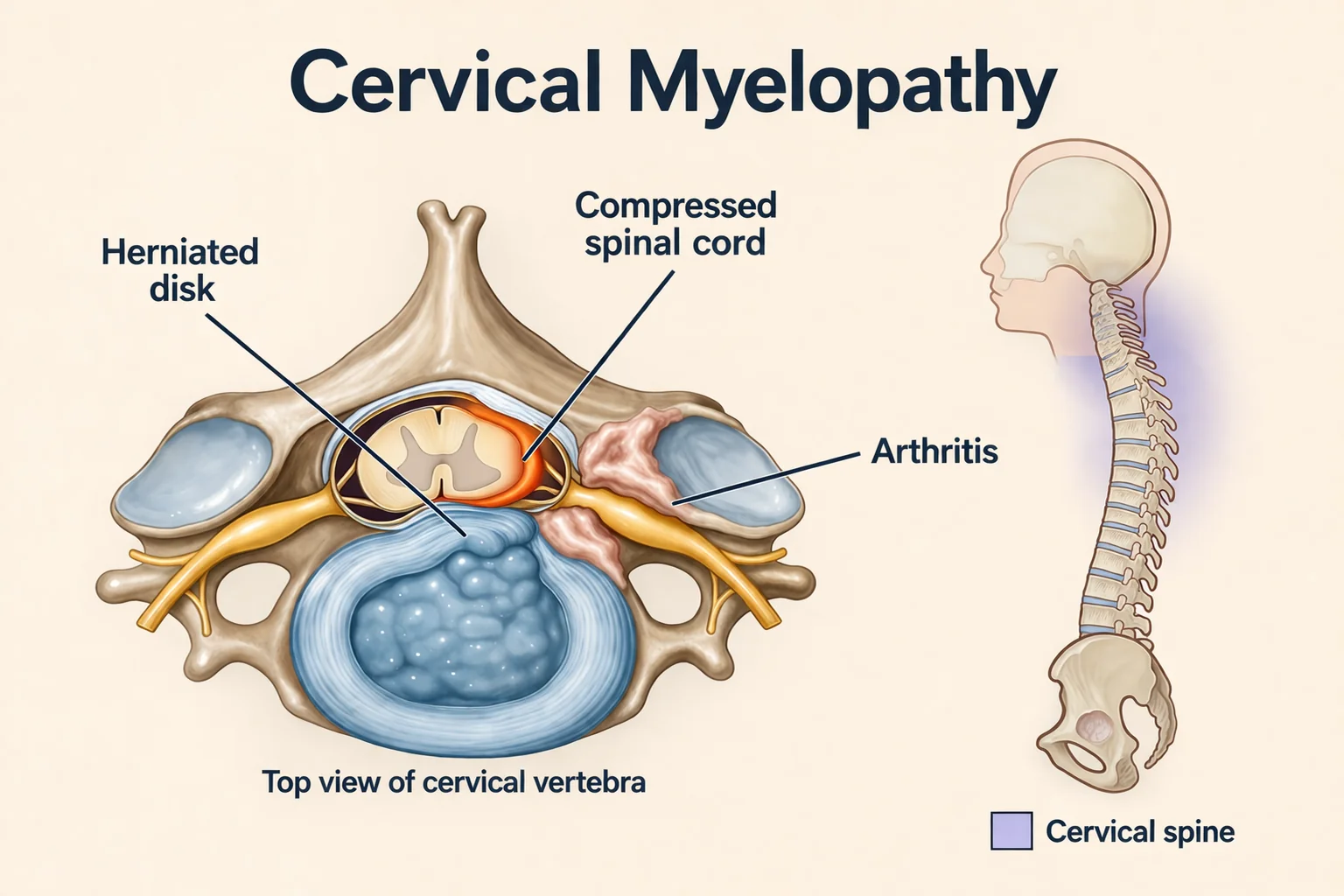
Cervical Myelopathy: Symptoms, Causes, and Physiotherapy Treatment
Cervical Myelopathy is one of the most serious conditions affecting the neck and spinal cord. Unlike common neck pain, this condition involves compression of the spinal cord, which can lead to progressive neurological deficits and even permanent disability if not managed properly.
Read More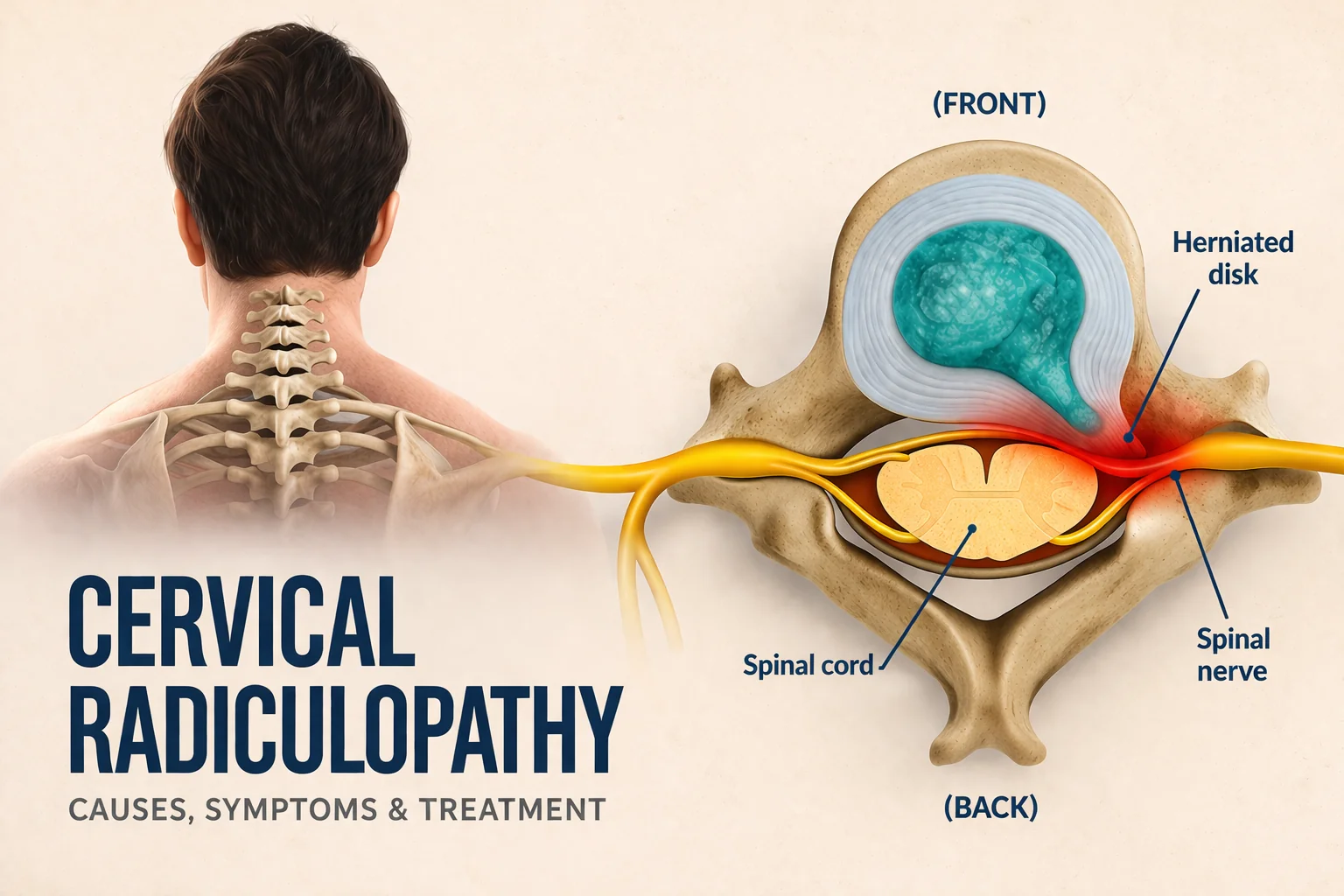
Cervical Radiculopathy: Symptoms, Causes, and Physiotherapy Treatment
Cervical radiculopathy is a common yet often misunderstood cause of neck pain that radiates into the shoulder, arm, or hand due to nerve root compression in the cervical spine. Many patients assume it is just muscle pain or general spondylosis, which delays proper treatment and allows the condition to worsen.
Read More
Neck Pain Physiotherapy Treatment
Neck pain can interrupt your daily life causing stiffness, headaches, and even dizziness. At ADPORC, we offer specialized care to reduce pain and improve movement through gentle, effective neck pain physiotherapy.
Read more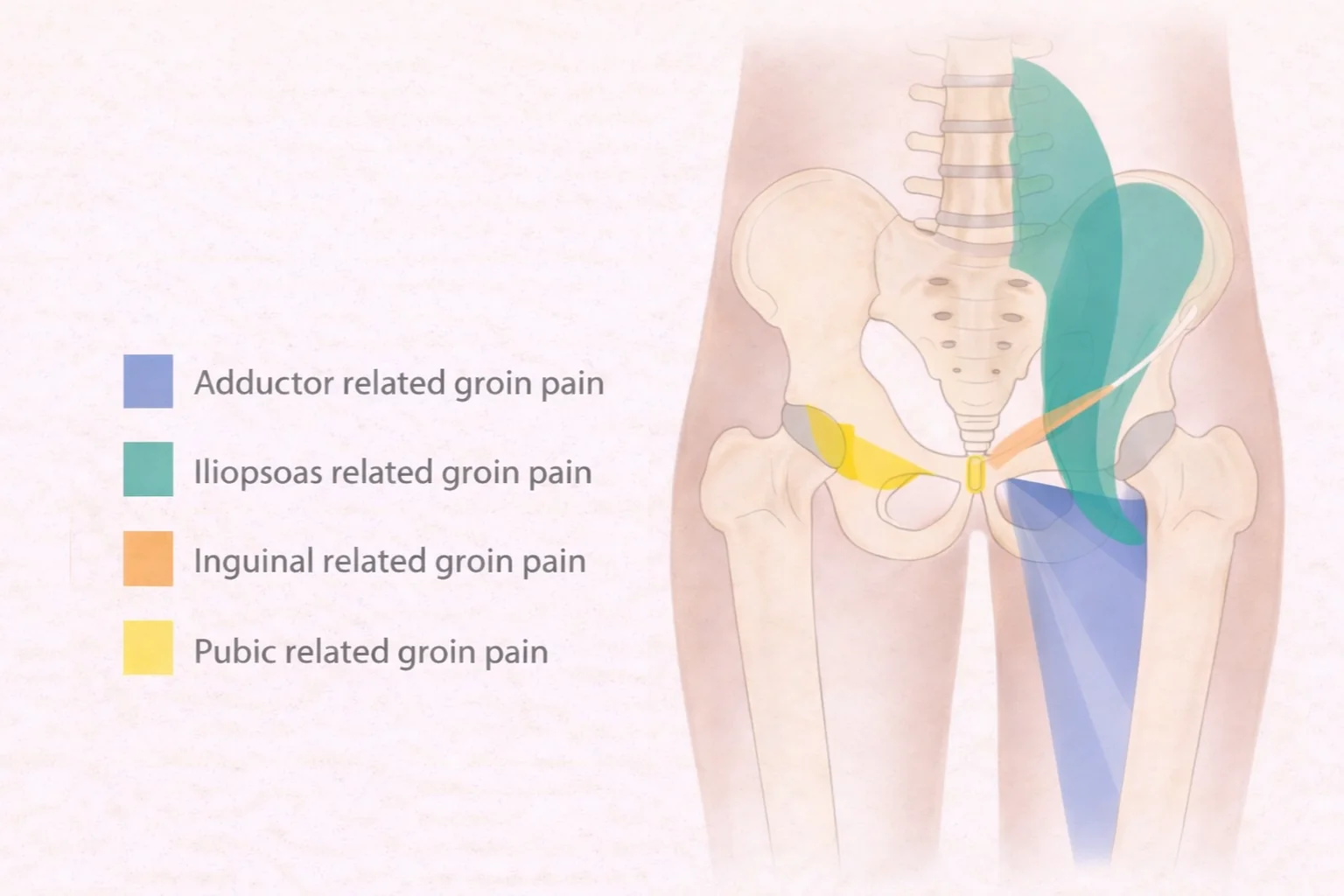
Groin Pain: Causes, Symptoms & Best Physiotherapy Treatment
Groin pain is one of the most confusing pain areas because the groin sits at the junction of the hip joint, pelvis, spine, and multiple muscles and tendons. A small problem in one structure can feel like pain “inside the groin,” even when the real source is the hip joint or lower back.
Read More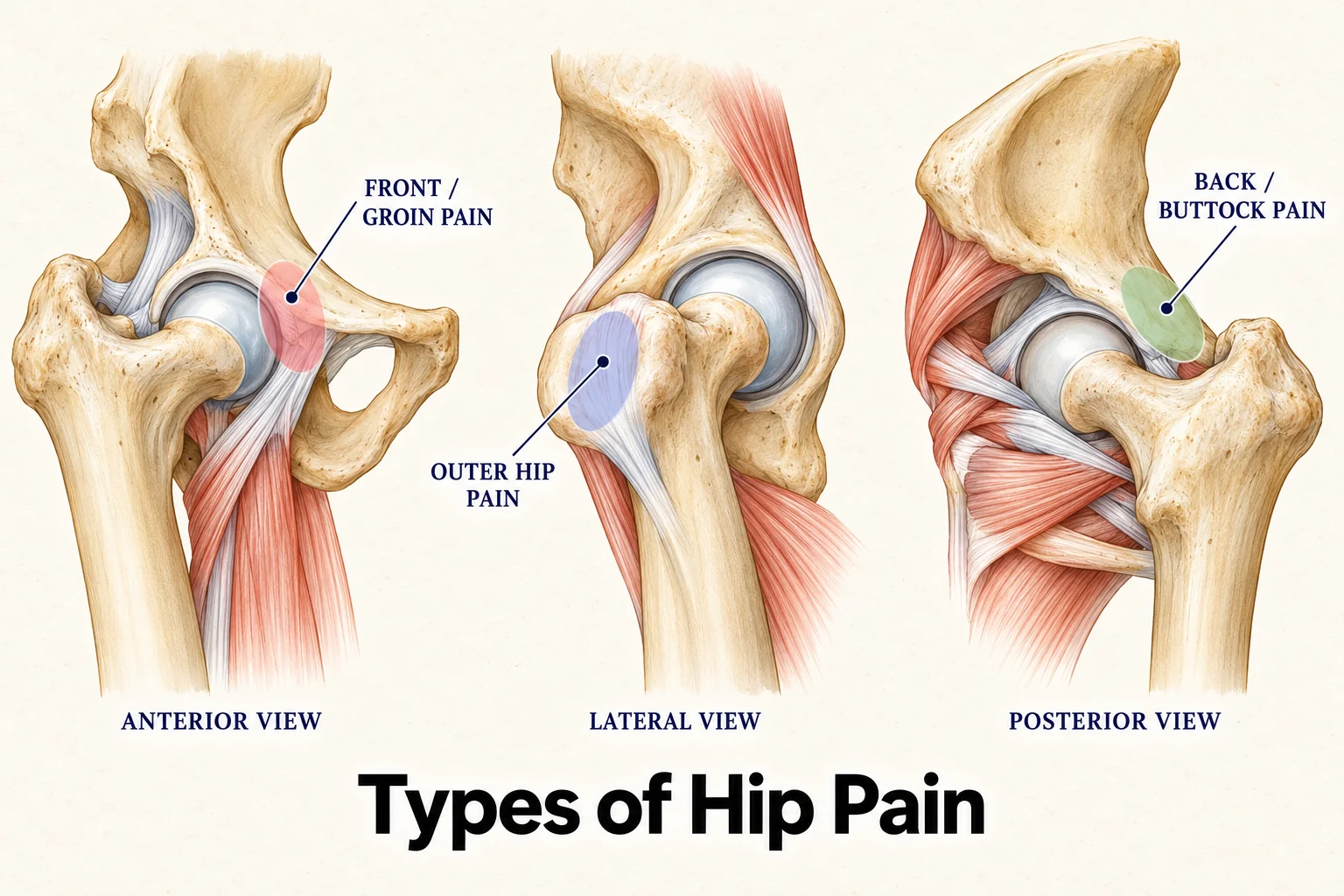
Hip Pain: Causes, Symptoms, Diagnosis, and Physiotherapy Management
Hip pain is a common musculoskeletal problem that can interfere with walking, standing, climbing stairs, getting up from a chair, sitting for long periods, sleeping on one side, exercising or participating in sports.
Read More
Aging and Bone Health Physiotherapy
Aging changes the way bones behave, but weak bones are not an unavoidable part of getting older. At ADPORC in Jatrabari, Dhaka, we help aging adults protect bone health with physiotherapy, nutrition guidance, balance training, and strength-building habits that support everyday independence.
Read More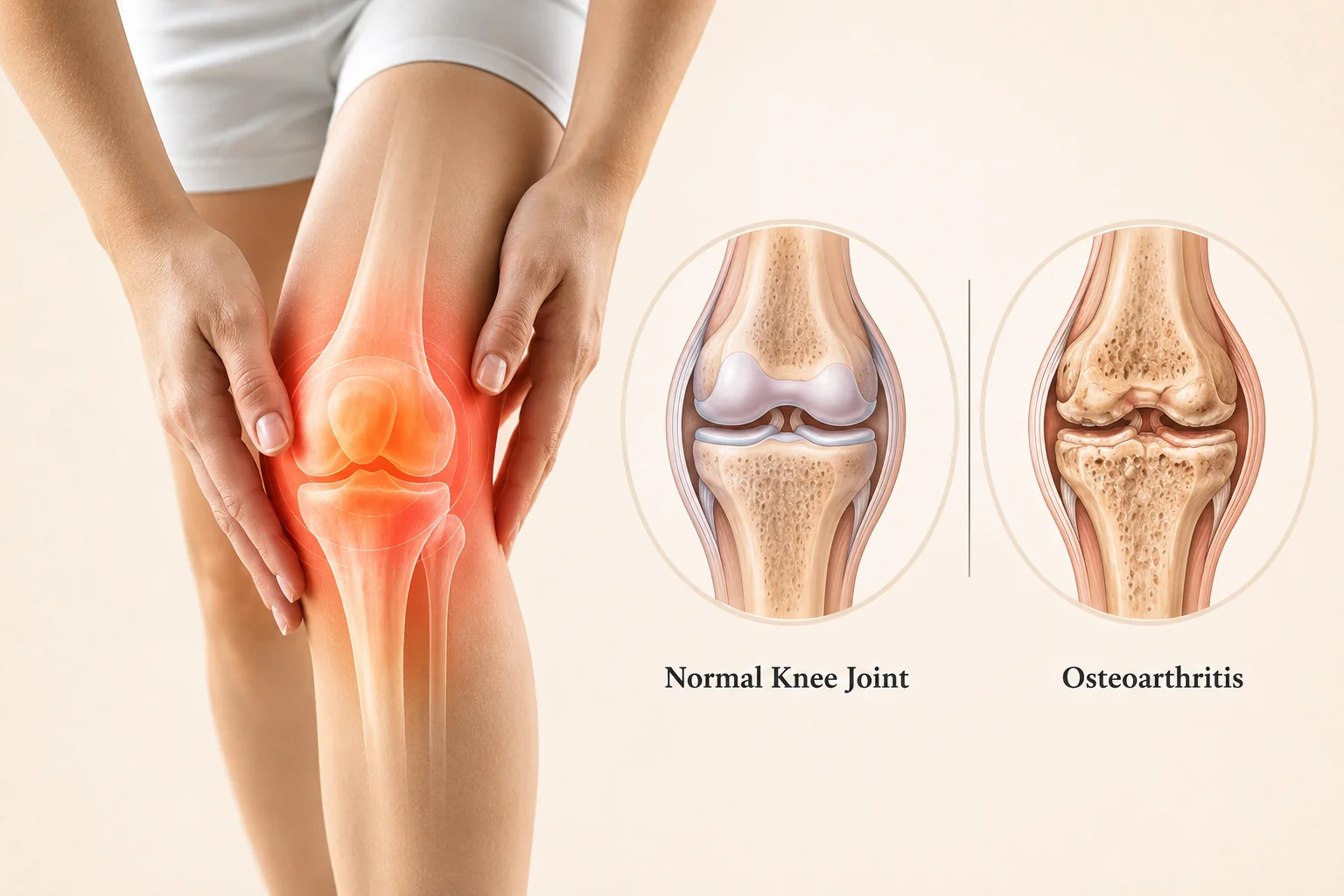
Osteoarthritis: Symptoms, Causes, and Physiotherapy Treatment
Osteoarthritis (OA) is one of the most common joint disorders worldwide, affecting millions of people, particularly middle-aged and older adults. While it is often associated with aging, osteoarthritis is not simply an inevitable part of growing older. Factors such as previous joint injuries, excess body weight, repetitive stress on joints, and genetics can all contribute to its development.
Read More
Winter Joint Stiffness After Surgery & Physiotherapy Management
Winter joint stiffness after surgery is a common complaint among patients in Bangladesh. Many people notice that their operated joint becomes more painful, tight, and difficult to move during cold weather. This is not just discomfort. If ignored, winter-related stiffness can slow recovery and lead to long-term movement restriction.
Read More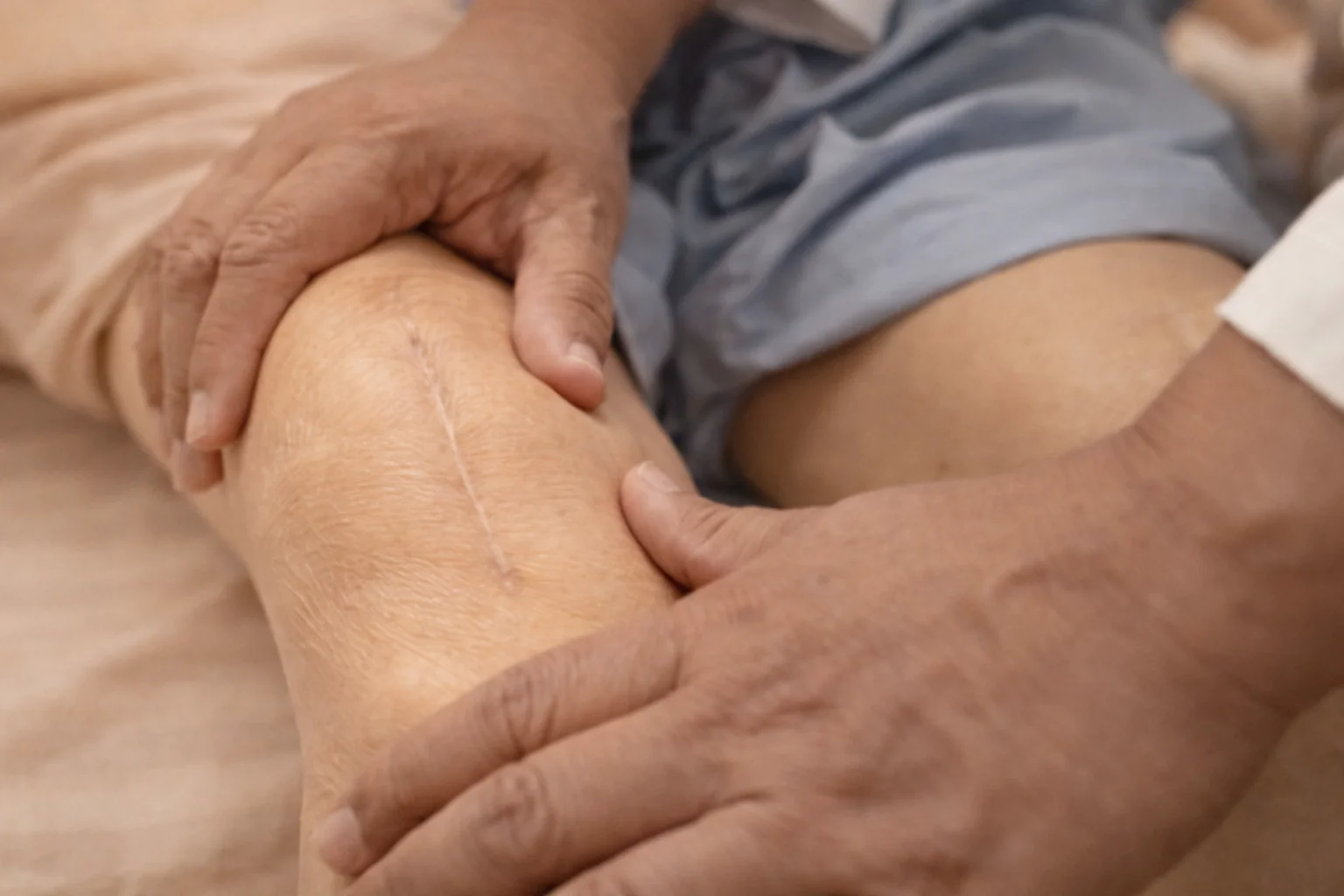
Post-Operative Joint Stiffness: Causes, Complications & Complete Physiotherapy Management
Post-operative joint stiffness is one of the most common yet neglected problems after surgery. Many patients believe stiffness is a normal part of recovery and will resolve on its own. In reality, untreated stiffness can lead to long-term disability, chronic pain, and even permanent loss of joint movement.
Read More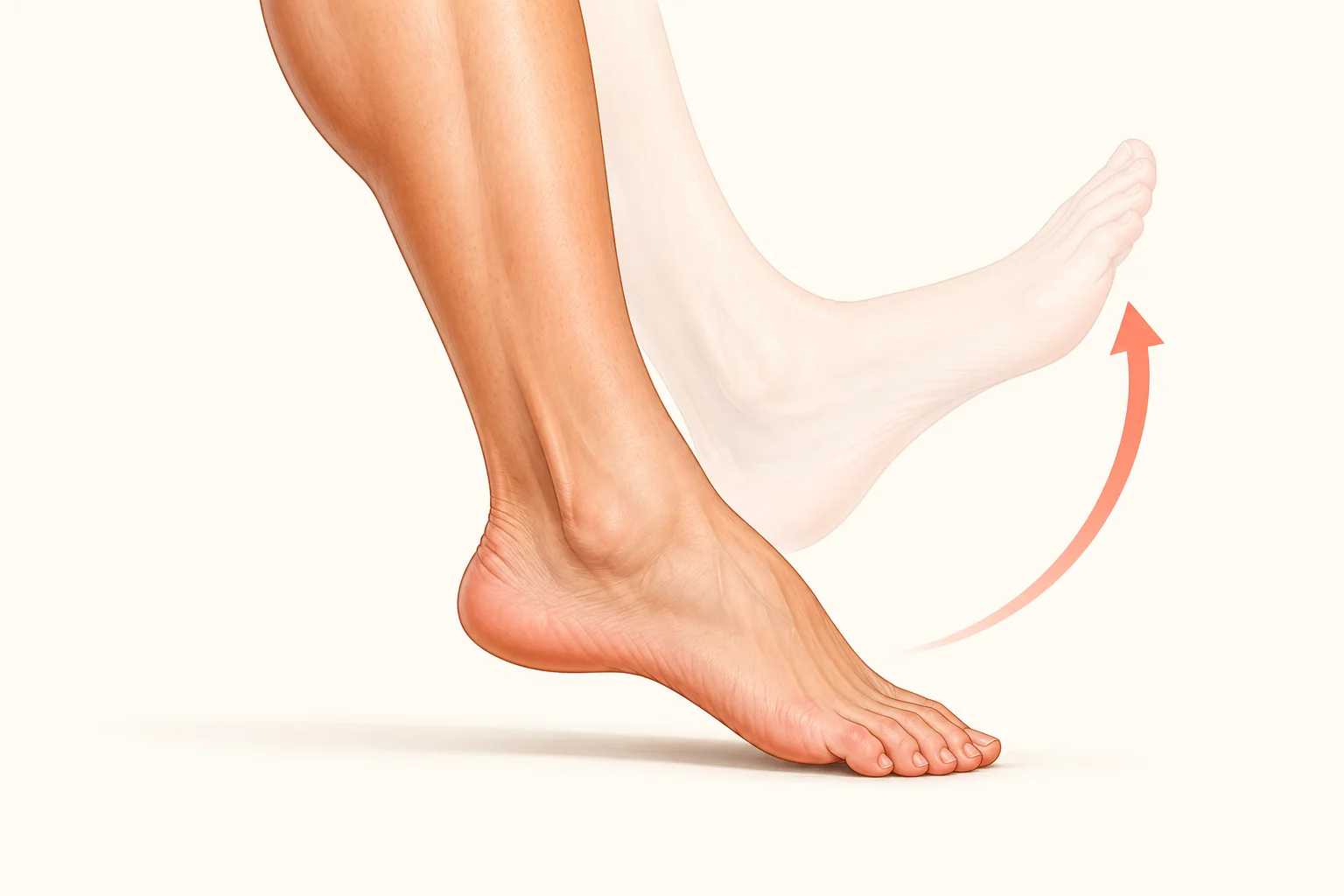
Foot Drop: Causes, Symptoms & Physiotherapy Treatment
Foot Drop is a condition in which a person has difficulty lifting or extending the wrist and fingers. Because of this weakness, the hand may hang downward when the arm is held out, making everyday activities such as gripping, lifting, writing, or using objects more difficult.
Read More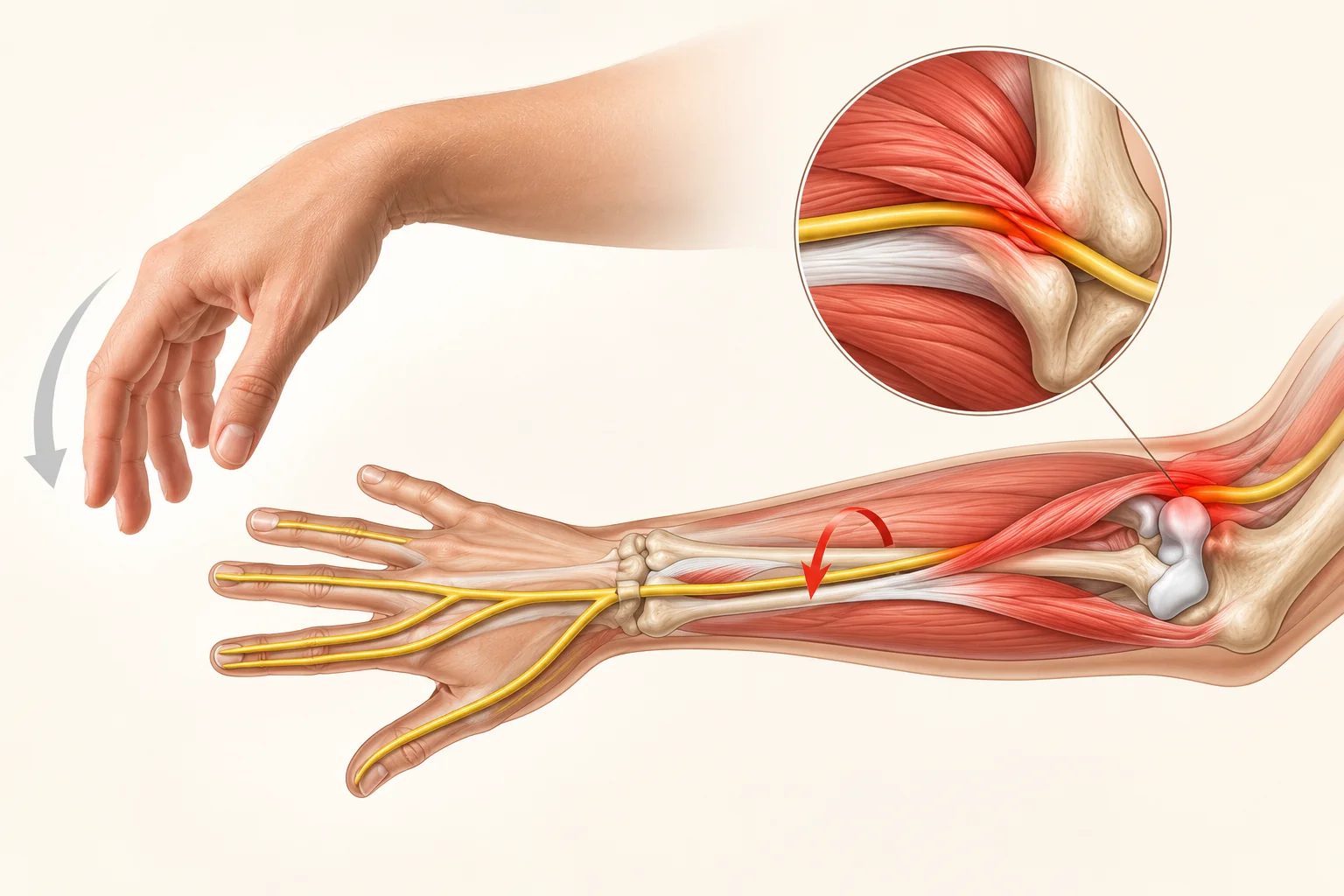
Wrist Drop: Causes, Symptoms & Physiotherapy Treatment
Wrist and hand weakness can be one of the most noticeable upper-limb problems after a stroke. Some patients find that they cannot actively lift the wrist, straighten the fingers, open the hand properly, or hold and release everyday objects. The wrist may remain in a flexed position, creating an appearance similar to what is commonly described as Wrist Drop.
Read More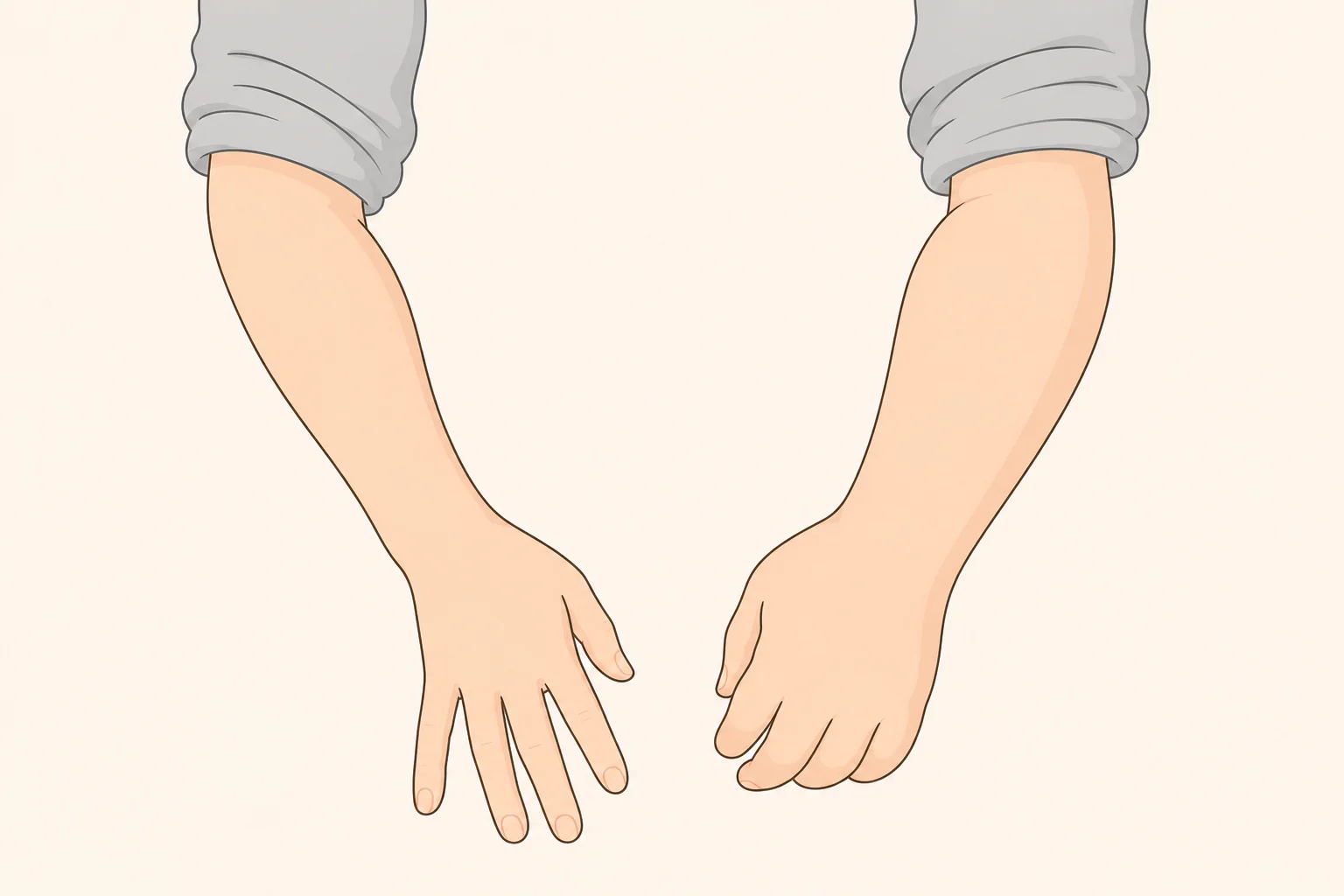
Shoulder Hand Syndrome: Symptoms, Causes, and Physiotherapy Treatment
Shoulder-Hand Syndrome (SHS) is a painful and disabling condition affecting the shoulder and hand, commonly seen after injury, stroke, or prolonged immobilization. It often starts subtly but can progressively limit movement and daily function if not managed early.
Read More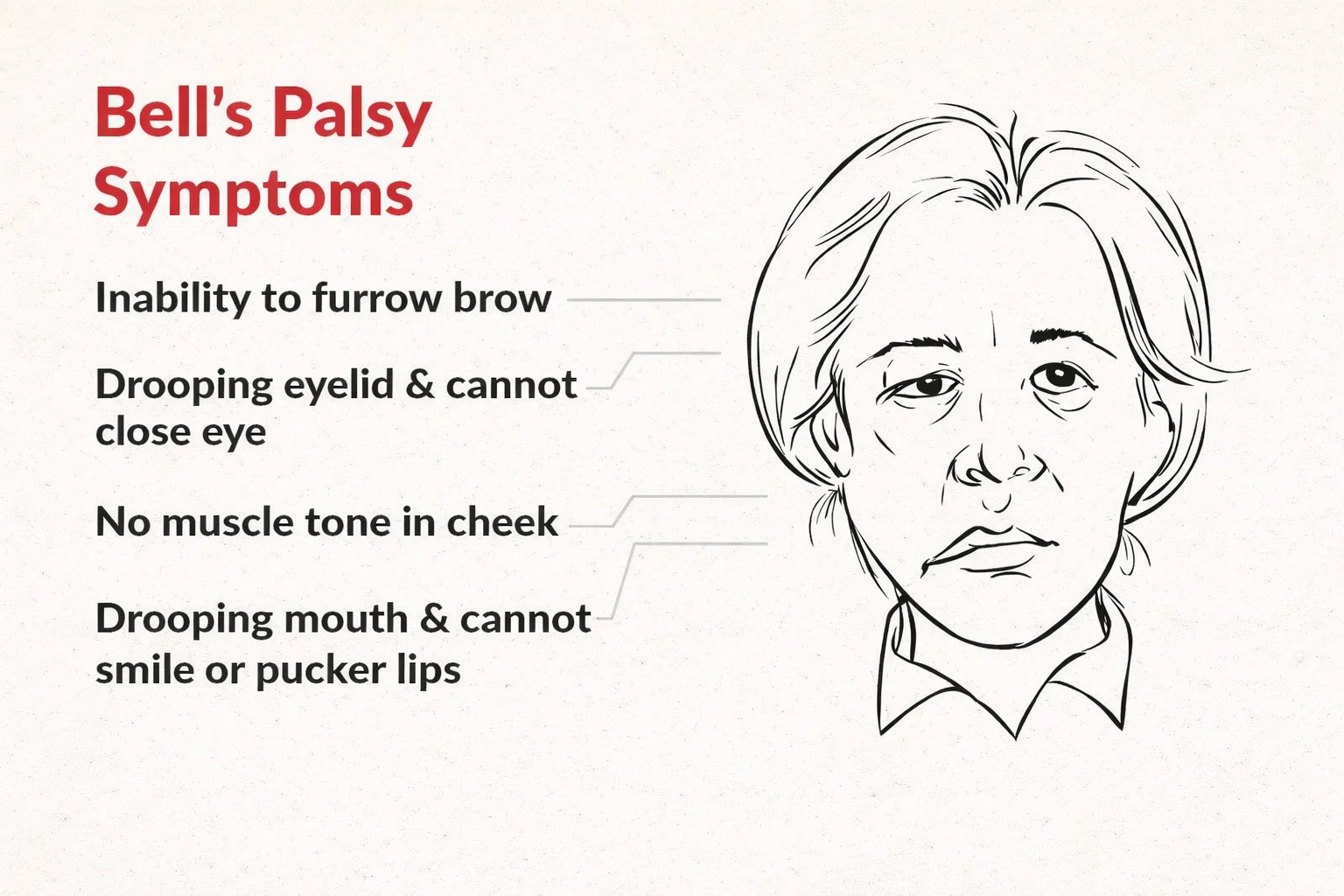
Bell’s Palsy: Causes, Symptoms & Best Physiotherapy Treatment
Bell’s Palsy is a sudden condition that causes weakness or paralysis of the muscles on one side of the face. Patients often wake up noticing facial drooping, difficulty closing one eye, or an inability to smile properly. This sudden change creates fear and confusion, and many people mistakenly think it is a stroke.
Read More
Stroke: Causes, Symptoms & Physiotherapy Management, Stroke Rehabilitation
Stroke is one of the leading causes of long-term disability worldwide, and its impact on a patient’s life can be profound. Many survivors experience difficulty walking, talking, using their hands, or performing daily activities. The good news is: modern physiotherapy can significantly improve recovery, especially when treatment begins early and follows a structured plan.
Read More
Empowering Recovery: Recovery Through Precision Care
Discover how ADPORC's certified physiotherapists help restore mobility, reduce pain, and speed up recovery using assisted therapy, electrotherapy, and personalized care in Dhaka.
Read MoreVisit us
Our locations
Contact us to confirm the location and appointment availability that suit you.
 Asia Digital Physiotherapy & Orthopedic Rehabilitation Center