Health Guide

Elbow Pain: Causes, Symptoms & Physiotherapy Treatment in Jatrabari, Dhaka | ADPORC

01/05/2026

Dr. Saddam Hossain, PT

Medically reviewed by Dr. Saddam Hossain, PT

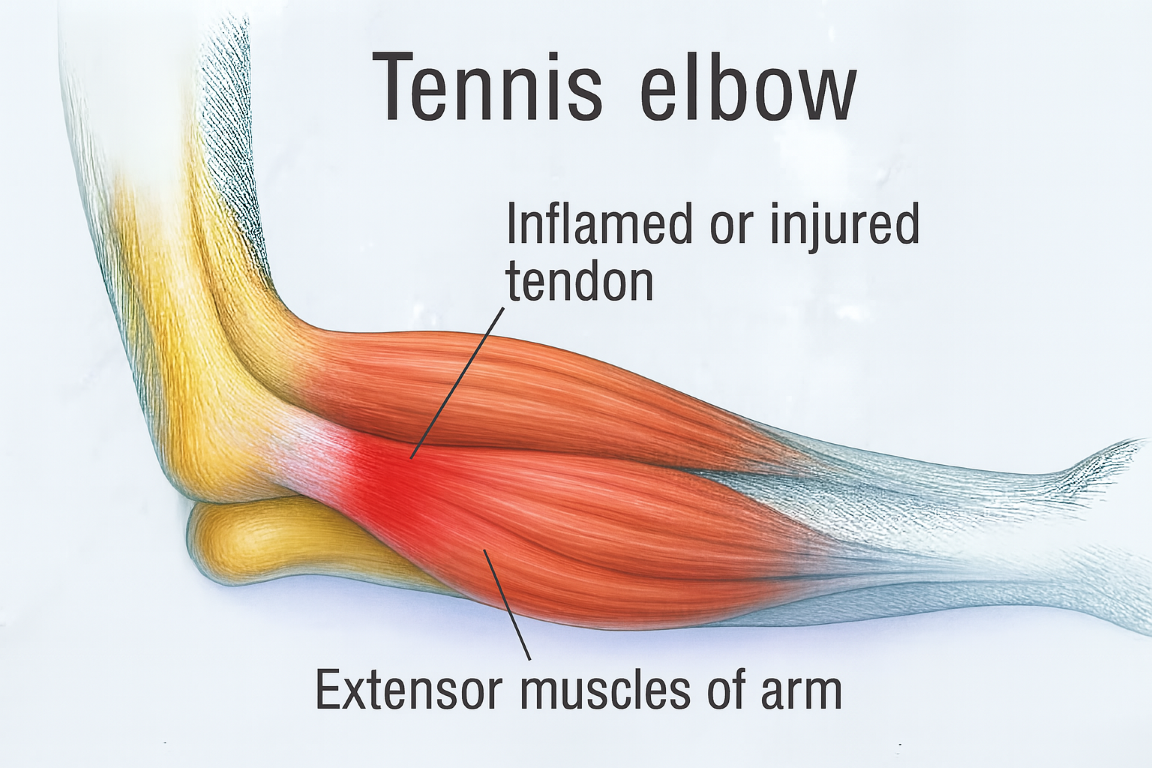
Elbow pain causes and physiotherapy treatment illustration

Elbow pain is a common upper-limb problem that can interfere with everyday activities such as lifting, gripping, typing, carrying bags, opening containers or performing repetitive work. Some people develop pain gradually after repeated hand and wrist activities, while others experience symptoms after sports, heavy lifting, a fall or another injury.

The elbow is more than a simple bending joint. It forms an important mechanical connection between the shoulder, forearm, wrist and hand. Pain or weakness around the elbow can therefore affect grip strength, arm movement and the ability to perform work, household activities or sports comfortably.

Elbow pain does not always come from the same structure. Tendons, muscles, ligaments, joints, bursae and nerves can all produce different patterns of pain. Identifying the likely source of symptoms is therefore important before starting rehabilitation.

At Asia Digital Physiotherapy & Orthopedic Rehabilitation Center (ADPORC), elbow pain rehabilitation is planned according to the patient's clinical assessment, functional limitations and underlying condition. Treatment may involve activity and load modification, therapeutic exercise, mobility training, strengthening, manual therapy, nerve-related rehabilitation when indicated and other physiotherapy interventions according to clinical need.

Understanding Elbow Pain: A Structural Perspective

Elbow pain refers to discomfort arising from the elbow joint or the tissues surrounding it. Pain may be felt on the outer side, inner side, front or back of the elbow. In some conditions, symptoms may also extend into the forearm, wrist, hand or fingers.

Depending on the underlying problem, elbow symptoms may include pain, tenderness, stiffness, swelling, weakness, reduced grip strength, burning, tingling or numbness.

Pain around the elbow may originate from:

  1. Muscles and tendons
  2. Ligaments and joint capsule
  3. Bones and joint surfaces
  4. Bursae and surrounding soft tissues
  5. Peripheral nerves
  6. Less commonly, referred pain from another region

Because several conditions can produce similar symptoms, the location of pain alone cannot confirm a diagnosis. However, the pain pattern can provide useful clues about which structures may be involved.

Common Locations of Elbow Pain and What They May Mean

The exact location of elbow pain can help narrow down the possible causes.

1. Outer Elbow Pain

Pain around the lateral or outer side of the elbow is commonly associated with Tennis Elbow, also called lateral elbow tendinopathy or lateral epicondylitis.

Symptoms often increase during gripping, lifting a kettle or bag, using tools, shaking hands or repeatedly extending the wrist.

Outer elbow pain may also occasionally be associated with other conditions such as radial nerve irritation, ligament injury or joint pathology.

2. Inner Elbow Pain

Pain around the medial or inner side of the elbow is commonly associated with Golfer's Elbow, where the flexor-pronator tendon region becomes painful with repeated loading.

Inner elbow symptoms can also occur with ulnar nerve irritation or ligament-related problems.

3. Back of the Elbow Pain

Pain or swelling over the point of the elbow may occur with olecranon bursitis, particularly when the elbow is repeatedly placed against a hard surface.

Triceps tendon problems may also cause posterior elbow pain, particularly during pushing or resisted elbow extension.

4. Front of the Elbow Pain

Pain at the front of the elbow may involve structures such as the distal biceps tendon, particularly when symptoms increase during lifting, elbow flexion or forearm rotation.

A sudden painful injury with bruising or visible change in the biceps contour requires medical assessment.

5. Elbow Pain With Tingling or Numbness

Pain accompanied by tingling or numbness, particularly toward the ring and little fingers, may suggest involvement of the ulnar nerve, commonly seen in Cubital Tunnel Syndrome.

Nerve-related symptoms should be differentiated from tendon or joint-related elbow pain.

6. Elbow Stiffness With Aching Pain

Persistent stiffness, loss of range of motion and deeper joint pain may occur after previous injury, prolonged immobilization, osteoarthritis or other joint conditions.

Common Causes of Elbow Pain

Elbow pain may originate from tendons, nerves, bursae, ligaments or the joint itself. The conditions below are some of the common causes patients may encounter.

1. Tennis Elbow

Tennis Elbow, also known as lateral epicondylitis or lateral elbow tendinopathy, is a common cause of pain around the outer elbow.

It is associated with excessive or repeated loading of the wrist extensor tendon complex. Activities involving gripping, lifting, tool use, racket sports or repetitive hand movements may aggravate symptoms.

Typical symptoms include tenderness around the outer elbow, pain during gripping and reduced grip strength.

Related guide: Tennis Elbow (Lateral Epicondylitis): Causes, Symptoms & Physiotherapy Treatment

2. Golfer's Elbow

Golfer's Elbow, or medial epicondylitis/medial elbow tendinopathy, produces pain around the inner part of the elbow.

It involves the tendon region where the wrist flexor and pronator muscles attach near the medial epicondyle. Repetitive gripping, wrist flexion, throwing, manual work and some sporting activities may provoke symptoms.

Patients commonly notice inner elbow tenderness, pain when gripping and discomfort during resisted wrist movements.

Related guide: Golfer's Elbow (Medial Epicondylitis): Causes, Symptoms & Physiotherapy Treatment

3. Cubital Tunnel Syndrome

Cubital Tunnel Syndrome occurs when the ulnar nerve becomes irritated or compressed as it passes around the inner side of the elbow.

Unlike typical tendon pain, nerve involvement may produce tingling, numbness or altered sensation extending toward the ring and little fingers. Some patients may also experience hand weakness or reduced dexterity.

Symptoms may increase when the elbow remains bent for prolonged periods or when repeated pressure is applied around the inner elbow.

4. Olecranon Bursitis

The olecranon bursa is a small fluid-filled structure located over the point of the elbow. When it becomes irritated, the back of the elbow may become visibly swollen and tender.

Repeated leaning on the elbow, direct trauma and some inflammatory conditions can contribute to bursitis.

A hot, red, rapidly swollen elbow, particularly when accompanied by fever or illness, requires medical assessment because infection must be excluded.

5. Distal Biceps Tendon Problems

The distal biceps tendon attaches near the front of the elbow and contributes to elbow flexion and forearm supination.

Gradual tendon overload can produce pain during lifting or repetitive pulling activities. A sudden forceful injury may also cause a partial or complete distal biceps tear.

Sudden pain, bruising, marked weakness or visible deformity after an injury should be medically assessed promptly.

6. Triceps Tendinopathy

The triceps tendon attaches at the back of the elbow. Repetitive pushing, weight training or excessive loading may irritate the tendon and cause posterior elbow pain.

Symptoms may be aggravated by pushing movements, resisted elbow extension or exercises such as dips and presses.

7. Elbow Ligament Injury and Instability

The elbow is supported by several ligaments that help maintain joint stability.

Falls, sporting injuries, throwing activities or other sudden forces can injure these structures. Depending on severity, symptoms may include pain, swelling, instability, reduced movement or difficulty applying force through the arm.

Significant traumatic injuries should be assessed to exclude fracture, dislocation or major ligament damage.

8. Elbow Osteoarthritis and Post-Traumatic Joint Pain

Elbow osteoarthritis is less common than arthritis of the knee or hip but can occur, particularly following previous trauma or years of repetitive heavy loading.

Patients may experience deeper joint pain, stiffness, reduced range of motion, clicking or difficulty fully bending or straightening the elbow.

Previous fractures or dislocations can also lead to long-term stiffness and post-traumatic joint changes.

Risk Factors for Developing Elbow Pain

Several factors may increase stress on the structures around the elbow:

  1. Repetitive gripping or hand activities
  2. Repeated lifting, pulling or pushing
  3. Sudden increase in exercise or workload
  4. Heavy manual work
  5. Repetitive racket or throwing sports
  6. Poor load management during exercise
  7. Previous elbow injury
  8. Prolonged pressure on the elbow
  9. Inadequate recovery between repetitive activities
  10. Reduced shoulder, forearm or wrist strength and control

Having one or more risk factors does not necessarily mean that elbow pain will develop, but they may contribute to excessive tissue loading in susceptible individuals.

Symptoms of Elbow Pain

The symptoms of elbow disorders vary according to the structure involved. Common complaints include:

  1. Pain on the outer or inner elbow
  2. Pain while gripping or lifting objects
  3. Tenderness around a specific part of the elbow
  4. Reduced grip strength
  5. Elbow stiffness or restricted movement
  6. Pain during pushing or pulling
  7. Swelling around the elbow
  8. Weakness of the forearm or hand
  9. Tingling or numbness extending toward the hand or fingers
  10. Difficulty performing work, exercise or daily activities

Elbow Pain Symptoms That Should Not Be Ignored

Some elbow symptoms require more than routine self-management.

Seek appropriate professional assessment if you experience:

  1. Severe elbow pain following a fall or significant injury
  2. Visible deformity or inability to move the elbow normally
  3. Rapid or substantial swelling
  4. Increasing redness, warmth or fever
  5. Persistent or progressive hand weakness
  6. Significant numbness or loss of sensation
  7. Sudden bruising and weakness after a lifting injury
  8. Pain that continues to worsen despite reducing the aggravating activity
  9. Recurrent elbow locking or major instability

These symptoms do not necessarily indicate a serious condition, but they may require medical investigation before rehabilitation is started.

How Elbow Pain Is Diagnosed

Accurate assessment is important because different elbow conditions can produce similar symptoms.

A clinical evaluation may include:

  1. History of when and how the pain began
  2. Location and nature of symptoms
  3. Activities that aggravate or reduce pain
  4. Elbow range of motion
  5. Forearm, wrist and grip strength
  6. Tendon loading tests
  7. Ligament stability tests when indicated
  8. Neurological screening for nerve-related symptoms
  9. Assessment of the shoulder, wrist or cervical region when relevant
  10. Functional assessment based on work, sports and daily activities

Imaging is not required for every patient with elbow pain.

Depending on the clinical findings, a physician may recommend investigations such as:

  1. X-ray
  2. Musculoskeletal ultrasound
  3. MRI
  4. Nerve conduction studies or electromyography for selected nerve-related conditions

The investigation should be selected according to the suspected pathology rather than being routinely required for all elbow pain.

Physiotherapy Treatment for Elbow Pain

Physiotherapy management depends on the underlying condition, duration of symptoms, tissue involved and functional demands of the patient. Therefore, there is no single exercise or treatment that is appropriate for every type of elbow pain.

1. Education and Load Modification

The first step is often identifying which activities are repeatedly aggravating the elbow.

Temporary modification of gripping, lifting, repetitive wrist movement, sports training or prolonged pressure may reduce excessive irritation without unnecessarily stopping all activity.

2. Therapeutic Exercise

Progressive exercise is an important component of rehabilitation for many musculoskeletal elbow conditions.

Depending on the diagnosis, exercise may focus on:

  • wrist extensor or flexor-pronator strength
  • elbow flexor and extensor strength
  • grip strength
  • shoulder and scapular control
  • endurance
  • progressive tendon loading
  • functional work or sports tasks

The type and intensity of exercise should be progressed according to symptom response and tissue capacity.

3. Mobility and Flexibility

Patients with elbow stiffness may require exercises to restore flexion, extension and forearm rotation.

Mobility of the wrist, forearm or shoulder may also be addressed when limitations in neighbouring regions are contributing to upper-limb dysfunction.

4. Manual Therapy

Manual therapy or joint mobilization may be used in selected patients to help address pain, stiffness or movement restriction.

It is usually most useful as part of a broader rehabilitation program rather than as a stand-alone treatment.

5. Nerve Mobilization

When neurological assessment suggests peripheral nerve involvement, carefully selected nerve-mobilization techniques may be incorporated when clinically appropriate.

Nerve symptoms should first be differentiated from tendon, joint or referred pain.

6. Ergonomic and Activity Modification

Workstation setup, lifting technique, tool use, sports technique and repetitive activity patterns may need adjustment when they are contributing to repeated elbow loading.

7. Electrotherapy and Other Adjuncts

Electrotherapy or other physical modalities may be used for selected patients when clinically indicated.

These should support rather than replace rehabilitation strategies such as progressive exercise, education, activity modification and restoration of function.

Why Early Assessment Matters

Persistent elbow pain can gradually change the way a person uses the entire upper limb. Patients may reduce grip force, avoid lifting or compensate with the wrist and shoulder.

Assessment at an appropriate stage can help identify whether symptoms originate from a tendon, nerve, joint, ligament or another structure and allow rehabilitation to address the specific problem.

The aim of physiotherapy is not simply to temporarily reduce pain but to restore movement, strength and functional capacity while helping the patient return safely to work, daily activities or sport.

When Should You See a Physiotherapist for Elbow Pain?

Consider physiotherapy assessment if:

  1. Elbow pain is interfering with work or daily activities
  2. Symptoms are not improving with reasonable activity modification
  3. Gripping or lifting has become difficult
  4. Elbow movement has become restricted
  5. Pain repeatedly returns when activity increases
  6. You have weakness or reduced upper-limb function
  7. You are recovering from an elbow injury or period of immobilization

If symptoms suggest fracture, dislocation, infection, significant tendon rupture or progressive neurological involvement, appropriate medical assessment may be required before or alongside physiotherapy.

Why Asia Digital Physiotherapy & Orthopedic Rehabilitation Center (ADPORC) Is a Trusted Physiotherapy Center in Dhaka

ADPORC focuses on evidence-based physiotherapy for musculoskeletal, neurological and sports-related conditions.

  1. Expert Care by Dr. Saddam Hossain, PT Structured rehabilitation under experienced clinical supervision.
  2. Condition-Specific Physiotherapy Programs Treatment plans designed according to assessment, pain stage and functional goals.
  3. Advanced Electrotherapy and Rehabilitation Equipment Modalities used only when clinically indicated.
  4. One-on-One Supervised Sessions Direct supervision supports safe and individualized rehabilitation.
  5. Accessible Location in Jatrabari, Dhaka Serving patients from Jatrabari, Dholaipar, Shonir Akhra, Doyagonj, Puran Dhaka, Keraniganj, Narayanganj and surrounding areas.

If you are looking for reliable physiotherapy for elbow pain in Dhaka, ADPORC provides structured rehabilitation based on clinical assessment, functional limitations and individual recovery goals.

Book Your Appointment Today

Do not let persistent elbow pain continue to interfere with gripping, lifting, work or everyday activities. A proper assessment can help identify the likely source of symptoms and determine an appropriate rehabilitation plan.

Visit ADPORC for professional physiotherapy assessment and rehabilitation for elbow pain and related upper-limb conditions.

Location: 270/1 Dholaipar, South Jatrabari, Dhaka-1204

Call: 01950-935236

Website: adporc.com
কনুইয়ের ব্যথা উপরের অঙ্গের একটি সাধারণ সমস্যা, যা জিনিস তোলা, শক্ত করে ধরা, টাইপ করা, ব্যাগ বহন করা, বোতল বা জারের ঢাকনা খোলা কিংবা বারবার একই ধরনের কাজ করার মতো দৈনন্দিন কার্যকলাপে অসুবিধা তৈরি করতে পারে। কারও ক্ষেত্রে হাত ও কবজির পুনরাবৃত্তিমূলক কাজের কারণে ধীরে ধীরে ব্যথা শুরু হয়, আবার খেলাধুলা, ভারী জিনিস তোলা, পড়ে যাওয়া বা অন্য কোনো ইনজুরির পর হঠাৎও কনুইয়ে ব্যথা দেখা দিতে পারে।

কনুই শুধু হাত ভাঁজ ও সোজা করার একটি জয়েন্ট নয়। এটি শোল্ডার, ফোরআর্ম, কবজি ও হাতের মধ্যে মুভমেন্ট এবং শক্তি সঞ্চালনের একটি গুরুত্বপূর্ণ অংশ। তাই কনুইয়ে ব্যথা বা দুর্বলতা হলে গ্রিপ স্ট্রেন্থ, হাতের মুভমেন্ট, দৈনন্দিন কাজ, পেশাগত কাজ কিংবা খেলাধুলার সক্ষমতা প্রভাবিত হতে পারে।

কনুইয়ের সব ধরনের ব্যথার কারণ এক নয়। টেনডন, মাসল, লিগামেন্ট, জয়েন্ট, বার্সা এবং নার্ভ থেকে ভিন্ন ভিন্ন ধরনের উপসর্গ তৈরি হতে পারে। তাই রিহ্যাবিলিটেশন শুরু করার আগে ব্যথার সম্ভাব্য উৎস ও সংশ্লিষ্ট গঠন নির্ণয় করা গুরুত্বপূর্ণ।

Asia Digital Physiotherapy & Orthopedic Rehabilitation Center (ADPORC)-এ কনুইয়ের ব্যথার রিহ্যাবিলিটেশন রোগীর ক্লিনিক্যাল অ্যাসেসমেন্ট, ফাংশনাল লিমিটেশন এবং মূল সমস্যার ভিত্তিতে পরিকল্পনা করা হয়। প্রয়োজন অনুযায়ী অ্যাক্টিভিটি ও লোড মডিফিকেশন, থেরাপিউটিক এক্সারসাইজ, মোবিলিটি ট্রেনিং, স্ট্রেন্থেনিং, ম্যানুয়াল থেরাপি, নার্ভ-সম্পর্কিত রিহ্যাবিলিটেশন এবং অন্যান্য উপযুক্ত ফিজিওথেরাপি ইন্টারভেনশন ব্যবহার করা যেতে পারে।

কনুইয়ের ব্যথা বোঝা: গঠনভিত্তিক দৃষ্টিভঙ্গি

কনুইয়ের ব্যথা বলতে কনুই জয়েন্ট বা এর আশপাশের টিস্যু থেকে তৈরি হওয়া ব্যথা বা অস্বস্তিকে বোঝায়। ব্যথা কনুইয়ের বাইরের দিকে, ভেতরের দিকে, সামনের দিকে বা পেছনের দিকে অনুভূত হতে পারে। কিছু সমস্যায় ব্যথা বা অন্যান্য উপসর্গ ফোরআর্ম, কবজি, হাত বা আঙুল পর্যন্ত ছড়িয়ে যেতে পারে।

সমস্যার ধরন অনুযায়ী কনুইয়ের উপসর্গের মধ্যে থাকতে পারে ব্যথা, স্পর্শে সংবেদনশীলতা, শক্তভাব, ফোলা, দুর্বলতা, গ্রিপ স্ট্রেন্থ কমে যাওয়া, জ্বালাপোড়া, ঝিনঝিন বা অসাড়তা।

কনুইয়ের ব্যথা সাধারণত নিচের গঠনগুলো থেকে আসতে পারে:

  1. মাসল ও টেনডন
  2. লিগামেন্ট ও জয়েন্ট ক্যাপসুল
  3. হাড় ও জয়েন্ট সারফেস
  4. বার্সা ও আশপাশের সফট টিস্যু
  5. পেরিফেরাল নার্ভ
  6. কিছু ক্ষেত্রে অন্য অঞ্চল থেকে রেফার্ড পেইন

একাধিক সমস্যা একই ধরনের উপসর্গ তৈরি করতে পারে। তাই শুধু ব্যথার স্থান দেখে নিশ্চিত রোগ নির্ণয় করা যায় না। তবে ব্যথার অবস্থান ও ধরন কোন গঠন জড়িত হতে পারে সে সম্পর্কে গুরুত্বপূর্ণ ধারণা দিতে পারে।

কনুইয়ের ব্যথার সাধারণ স্থান এবং সেগুলো কী নির্দেশ করতে পারে

কনুইয়ের ঠিক কোন অংশে ব্যথা হচ্ছে, সেটি সম্ভাব্য কারণ সম্পর্কে ধারণা দিতে পারে।

1. কনুইয়ের বাইরের দিকে ব্যথা

কনুইয়ের ল্যাটেরাল বা বাইরের অংশে ব্যথা সাধারণত টেনিস এলবো-এর সঙ্গে সম্পর্কিত। একে ল্যাটেরাল এলবো টেন্ডিনোপ্যাথি বা ল্যাটেরাল এপিকন্ডাইলাইটিসও বলা হয়।

জিনিস শক্ত করে ধরা, ব্যাগ বা কেটলি তোলা, বিভিন্ন টুল ব্যবহার, হাত মেলানো অথবা বারবার কবজি এক্সটেনশন করার সময় ব্যথা বাড়তে পারে।

তবে কনুইয়ের বাইরের দিকে ব্যথার অন্য কারণও থাকতে পারে, যেমন রেডিয়াল নার্ভ ইরিটেশন, লিগামেন্ট ইনজুরি বা জয়েন্ট-সম্পর্কিত সমস্যা।

2. কনুইয়ের ভেতরের দিকে ব্যথা

কনুইয়ের মিডিয়াল বা ভেতরের দিকে ব্যথা সাধারণত গলফারস এলবো-এর সঙ্গে সম্পর্কিত। এতে ফ্লেক্সর-প্রোনেটর টেনডন অঞ্চলে পুনরাবৃত্তিমূলক লোডিংয়ের কারণে ব্যথা দেখা দিতে পারে।

আলনার নার্ভ ইরিটেশন বা লিগামেন্ট-সম্পর্কিত সমস্যার কারণেও কনুইয়ের ভেতরের দিকে ব্যথা হতে পারে।

3. কনুইয়ের পেছনের দিকে ব্যথা

কনুইয়ের অগ্রভাগ বা পেছনের অংশে ব্যথা ও ফোলা ওলেক্রানন বার্সাইটিস-এর কারণে হতে পারে, বিশেষ করে দীর্ঘ সময় শক্ত কোনো পৃষ্ঠের ওপর কনুই রেখে কাজ করলে।

ট্রাইসেপস টেনডনের সমস্যাতেও কনুইয়ের পেছনে ব্যথা হতে পারে, বিশেষ করে ধাক্কা দেওয়া বা রেজিস্টেড এলবো এক্সটেনশনের সময়।

4. কনুইয়ের সামনের দিকে ব্যথা

কনুইয়ের সামনের দিকে ব্যথা ডিস্টাল বাইসেপস টেনডনের মতো গঠনের সঙ্গে সম্পর্কিত হতে পারে। ভারী কিছু তোলা, কনুই ভাঁজ করা বা ফোরআর্ম ঘোরানোর সময় উপসর্গ বাড়তে পারে।

হঠাৎ ইনজুরির পর তীব্র ব্যথা, কালশিটে দাগ বা বাইসেপসের আকৃতিতে দৃশ্যমান পরিবর্তন দেখা দিলে দ্রুত মেডিকেল অ্যাসেসমেন্ট প্রয়োজন।

5. ঝিনঝিন বা অসাড়তাসহ কনুইয়ের ব্যথা

বিশেষ করে রিং ও লিটল ফিঙ্গারের দিকে ঝিনঝিন বা অসাড়তা ছড়ালে আলনার নার্ভ জড়িত থাকার সম্ভাবনা থাকে, যা কিউবিটাল টানেল সিনড্রোমে দেখা যায়।

নার্ভ-সম্পর্কিত উপসর্গকে টেনডন বা জয়েন্ট-সম্পর্কিত ব্যথা থেকে আলাদা করে মূল্যায়ন করা গুরুত্বপূর্ণ।

6. শক্তভাব ও গভীর ধরনের কনুইয়ের ব্যথা

দীর্ঘমেয়াদি শক্তভাব, রেঞ্জ অব মোশন কমে যাওয়া এবং জয়েন্টের গভীরে ব্যথা আগের ইনজুরি, দীর্ঘ সময় ইমোবিলাইজেশন, অস্টিওআর্থ্রাইটিস বা অন্যান্য জয়েন্ট সমস্যার পর দেখা দিতে পারে।

কনুইয়ের ব্যথার সাধারণ কারণসমূহ

কনুইয়ের ব্যথা টেনডন, নার্ভ, বার্সা, লিগামেন্ট বা জয়েন্ট থেকে তৈরি হতে পারে। নিচে কনুইয়ের ব্যথার কয়েকটি সাধারণ কারণ সংক্ষেপে আলোচনা করা হলো।

1. টেনিস এলবো

টেনিস এলবো, যাকে ল্যাটেরাল এপিকন্ডাইলাইটিস বা ল্যাটেরাল এলবো টেন্ডিনোপ্যাথিও বলা হয়, কনুইয়ের বাইরের দিকে ব্যথার অন্যতম সাধারণ কারণ।

কবজির এক্সটেনসর টেনডন কমপ্লেক্সের ওপর বারবার বা অতিরিক্ত লোড পড়ার সঙ্গে এটি সম্পর্কিত। শক্ত করে কিছু ধরা, জিনিস তোলা, টুল ব্যবহার, র‍্যাকেট স্পোর্টস অথবা পুনরাবৃত্তিমূলক হাতের কাজ উপসর্গ বাড়াতে পারে।

সাধারণ উপসর্গের মধ্যে রয়েছে কনুইয়ের বাইরের দিকে স্পর্শে ব্যথা, গ্রিপিংয়ের সময় ব্যথা এবং গ্রিপ স্ট্রেন্থ কমে যাওয়া।

সম্পর্কিত গাইড: টেনিস এলবো (Lateral Epicondylitis): কারণ, উপসর্গ ও ফিজিওথেরাপি চিকিৎসা

2. গলফারস এলবো

গলফারস এলবো, বা মিডিয়াল এপিকন্ডাইলাইটিস/মিডিয়াল এলবো টেন্ডিনোপ্যাথি, কনুইয়ের ভেতরের দিকে ব্যথা তৈরি করে।

এতে কবজির ফ্লেক্সর ও প্রোনেটর মাসল যে টেনডন অঞ্চলের মাধ্যমে মিডিয়াল এপিকন্ডাইলে যুক্ত হয়, সেই অংশটি জড়িত থাকে। পুনরাবৃত্তিমূলক গ্রিপিং, রিস্ট ফ্লেক্সন, থ্রোয়িং, ম্যানুয়াল কাজ এবং কিছু খেলাধুলায় উপসর্গ বাড়তে পারে।

রোগীরা সাধারণত কনুইয়ের ভেতরের দিকে স্পর্শে ব্যথা, গ্রিপিংয়ের সময় অস্বস্তি এবং রেজিস্টেড রিস্ট মুভমেন্টে ব্যথা অনুভব করেন।

সম্পর্কিত গাইড: গলফারস এলবো (Medial Epicondylitis): কারণ, উপসর্গ ও ফিজিওথেরাপি চিকিৎসা

3. কিউবিটাল টানেল সিনড্রোম

কিউবিটাল টানেল সিনড্রোমে আলনার নার্ভ কনুইয়ের ভেতরের দিক দিয়ে যাওয়ার সময় ইরিটেটেড বা কমপ্রেসড হয়।

সাধারণ টেনডন-সম্পর্কিত ব্যথার তুলনায় এতে নার্ভ-সম্পর্কিত উপসর্গ বেশি দেখা যায়। রিং ও লিটল ফিঙ্গারের দিকে ঝিনঝিন, অসাড়তা বা সেনসেশন পরিবর্তন হতে পারে। কিছু রোগীর হাতের দুর্বলতা বা সূক্ষ্ম কাজ করার ক্ষমতাও কমে যেতে পারে।

দীর্ঘ সময় কনুই ভাঁজ করে রাখা বা কনুইয়ের ভেতরের অংশে বারবার চাপ পড়লে উপসর্গ বাড়তে পারে।

4. ওলেক্রানন বার্সাইটিস

ওলেক্রানন বার্সা হলো কনুইয়ের অগ্রভাগের ওপর থাকা একটি ছোট ফ্লুইড-ফিল্ড গঠন। এটি ইরিটেটেড হলে কনুইয়ের পেছনে দৃশ্যমান ফোলা ও স্পর্শে ব্যথা হতে পারে।

বারবার কনুইয়ের ওপর ভর দেওয়া, সরাসরি আঘাত এবং কিছু ইনফ্ল্যামেটরি কন্ডিশন এই সমস্যায় ভূমিকা রাখতে পারে।

কনুই দ্রুত ফুলে গেলে, লাল বা গরম হয়ে গেলে এবং এর সঙ্গে জ্বর বা অসুস্থতা থাকলে দ্রুত মেডিকেল অ্যাসেসমেন্ট প্রয়োজন, কারণ ইনফেকশন বাদ দেওয়া জরুরি।

5. ডিস্টাল বাইসেপস টেনডন সমস্যা

ডিস্টাল বাইসেপস টেনডন কনুইয়ের সামনের দিকে সংযুক্ত থাকে এবং এলবো ফ্লেক্সন ও ফোরআর্ম সুপিনেশনে গুরুত্বপূর্ণ ভূমিকা রাখে।

ধীরে ধীরে অতিরিক্ত লোডের কারণে জিনিস তোলা বা বারবার টানার সময় ব্যথা হতে পারে। আবার হঠাৎ ভারী লোডের কারণে ডিস্টাল বাইসেপস টেনডনের পার্শিয়াল বা কমপ্লিট টিয়ারও হতে পারে।

হঠাৎ তীব্র ব্যথা, কালশিটে দাগ, উল্লেখযোগ্য দুর্বলতা বা দৃশ্যমান ডিফর্মিটি দেখা দিলে দ্রুত মেডিকেল অ্যাসেসমেন্ট প্রয়োজন।

6. ট্রাইসেপস টেন্ডিনোপ্যাথি

ট্রাইসেপস টেনডন কনুইয়ের পেছনের দিকে সংযুক্ত থাকে। অতিরিক্ত পুশিং, ওয়েট ট্রেনিং বা রিপিটেড লোডিংয়ের কারণে টেনডন ইরিটেটেড হয়ে কনুইয়ের পেছনে ব্যথা হতে পারে।

পুশিং মুভমেন্ট, রেজিস্টেড এলবো এক্সটেনশন অথবা ডিপস ও প্রেস-এর মতো এক্সারসাইজে উপসর্গ বাড়তে পারে।

7. এলবো লিগামেন্ট ইনজুরি ও ইনস্ট্যাবিলিটি

কনুই জয়েন্টকে স্থিতিশীল রাখতে একাধিক লিগামেন্ট গুরুত্বপূর্ণ ভূমিকা পালন করে।

পড়ে যাওয়া, স্পোর্টস ইনজুরি, থ্রোয়িং অ্যাক্টিভিটি অথবা হঠাৎ অতিরিক্ত ফোর্সের কারণে এসব লিগামেন্ট ইনজুরড হতে পারে। ইনজুরির মাত্রা অনুযায়ী ব্যথা, ফোলা, ইনস্ট্যাবিলিটি, মুভমেন্ট কমে যাওয়া বা হাতে চাপ প্রয়োগে অসুবিধা হতে পারে।

উল্লেখযোগ্য ট্রমাটিক ইনজুরির ক্ষেত্রে ফ্র্যাকচার, ডিসলোকেশন বা বড় ধরনের লিগামেন্ট ইনজুরি আছে কি না তা মূল্যায়ন করা জরুরি।

8. এলবো অস্টিওআর্থ্রাইটিস ও পোস্ট-ট্রমাটিক জয়েন্ট পেইন

হাঁটু বা হিপের তুলনায় এলবো অস্টিওআর্থ্রাইটিস কম দেখা যায়। তবে আগের ইনজুরি, দীর্ঘদিনের হেভি ম্যানুয়াল কাজ অথবা পুনরাবৃত্তিমূলক জয়েন্ট লোডিংয়ের পর এটি হতে পারে।

রোগীরা জয়েন্টের গভীরে ব্যথা, শক্তভাব, রেঞ্জ অব মোশন কমে যাওয়া, ক্লিকিং অথবা কনুই সম্পূর্ণ ভাঁজ বা সোজা করতে অসুবিধা অনুভব করতে পারেন।

আগের ফ্র্যাকচার বা ডিসলোকেশনের পর দীর্ঘমেয়াদি শক্তভাব এবং পোস্ট-ট্রমাটিক জয়েন্ট পরিবর্তনও হতে পারে।

কনুইয়ের ব্যথার ঝুঁকির কারণসমূহ

কিছু বিষয় কনুইয়ের আশপাশের টিস্যুর ওপর অতিরিক্ত চাপ বাড়াতে পারে:

  1. বারবার শক্ত করে কিছু ধরা বা হাতের পুনরাবৃত্তিমূলক কাজ
  2. বারবার জিনিস তোলা, টানা বা ধাক্কা দেওয়া
  3. হঠাৎ এক্সারসাইজ বা কাজের পরিমাণ বাড়ানো
  4. ভারী ম্যানুয়াল কাজ
  5. র‍্যাকেট বা থ্রোয়িং স্পোর্টসের পুনরাবৃত্তিমূলক মুভমেন্ট
  6. এক্সারসাইজে ভুল লোড ম্যানেজমেন্ট
  7. পূর্বের কনুই ইনজুরি
  8. দীর্ঘ সময় কনুইয়ের ওপর চাপ দিয়ে থাকা
  9. পুনরাবৃত্তিমূলক কাজের মাঝে পর্যাপ্ত রিকভারি না পাওয়া
  10. শোল্ডার, ফোরআর্ম বা কবজির স্ট্রেন্থ ও কন্ট্রোল কম থাকা

এক বা একাধিক রিস্ক ফ্যাক্টর থাকলেই যে কনুইয়ে ব্যথা হবেই এমন নয়। তবে এগুলো কিছু ব্যক্তির ক্ষেত্রে টিস্যুর ওপর অতিরিক্ত লোড সৃষ্টি করে ব্যথার ঝুঁকি বাড়াতে পারে।

কনুইয়ের ব্যথার সাধারণ উপসর্গ

কোন গঠন জড়িত তার ওপর ভিত্তি করে উপসর্গ ভিন্ন হতে পারে। সাধারণ উপসর্গগুলোর মধ্যে রয়েছে:

  1. কনুইয়ের বাইরের বা ভেতরের দিকে ব্যথা
  2. জিনিস ধরা বা তোলার সময় ব্যথা
  3. কনুইয়ের নির্দিষ্ট অংশে স্পর্শে ব্যথা
  4. গ্রিপ স্ট্রেন্থ কমে যাওয়া
  5. কনুই শক্ত হয়ে যাওয়া বা মুভমেন্ট কমে যাওয়া
  6. ধাক্কা বা টান দেওয়ার সময় ব্যথা
  7. কনুইয়ের চারপাশে ফোলা
  8. ফোরআর্ম বা হাত দুর্বল লাগা
  9. হাত বা আঙুলের দিকে ঝিনঝিন বা অসাড়তা ছড়িয়ে যাওয়া
  10. কাজ, এক্সারসাইজ বা দৈনন্দিন কার্যকলাপে অসুবিধা হওয়া

কনুইয়ের ব্যথায় যেসব উপসর্গ অবহেলা করা উচিত নয়

কিছু উপসর্গ শুধু সাধারণ সেলফ-ম্যানেজমেন্টের ওপর ছেড়ে দেওয়া উচিত নয়।

নিচের যেকোনো উপসর্গ থাকলে উপযুক্ত প্রফেশনাল অ্যাসেসমেন্ট নিন:

  1. পড়ে যাওয়া বা বড় ধরনের আঘাতের পর তীব্র কনুই ব্যথা
  2. কনুইয়ের আকৃতিতে দৃশ্যমান পরিবর্তন বা স্বাভাবিকভাবে নাড়াতে না পারা
  3. দ্রুত বা অতিরিক্ত ফোলা
  4. ক্রমশ বাড়তে থাকা লালভাব, গরম অনুভূতি বা জ্বর
  5. হাতের দুর্বলতা ক্রমশ বাড়তে থাকা
  6. উল্লেখযোগ্য অসাড়তা বা অনুভূতি কমে যাওয়া
  7. ভারী কিছু তোলার পর হঠাৎ কালশিটে দাগ ও দুর্বলতা
  8. অ্যাক্টিভিটি কমানোর পরও ব্যথা ক্রমশ বেড়ে যাওয়া
  9. কনুই বারবার লক হয়ে যাওয়া বা উল্লেখযোগ্য ইনস্ট্যাবিলিটি

এসব উপসর্গ সবসময় গুরুতর সমস্যা নির্দেশ করে না। তবে রিহ্যাবিলিটেশন শুরু করার আগে কিছু ক্ষেত্রে মেডিকেল ইনভেস্টিগেশন প্রয়োজন হতে পারে।

কনুইয়ের ব্যথা কীভাবে নির্ণয় করা হয়

কনুইয়ের বিভিন্ন সমস্যা অনেক সময় কাছাকাছি ধরনের উপসর্গ তৈরি করে। তাই সঠিক ক্লিনিক্যাল অ্যাসেসমেন্ট গুরুত্বপূর্ণ।

অ্যাসেসমেন্টের মধ্যে থাকতে পারে:

  1. ব্যথা কখন ও কীভাবে শুরু হয়েছে তার ইতিহাস
  2. উপসর্গের অবস্থান ও ধরন
  3. কোন অ্যাক্টিভিটিতে ব্যথা বাড়ে বা কমে
  4. এলবো রেঞ্জ অব মোশন
  5. ফোরআর্ম, কবজি ও গ্রিপ স্ট্রেন্থ
  6. টেনডন লোডিং টেস্ট
  7. প্রয়োজন অনুযায়ী লিগামেন্ট স্ট্যাবিলিটি টেস্ট
  8. নার্ভ-সম্পর্কিত উপসর্গ থাকলে নিউরোলজিক্যাল স্ক্রিনিং
  9. প্রয়োজন হলে শোল্ডার, কবজি বা সার্ভিকাল রিজিয়ন অ্যাসেসমেন্ট
  10. কাজ, খেলাধুলা ও দৈনন্দিন কার্যক্ষমতার ভিত্তিতে ফাংশনাল অ্যাসেসমেন্ট

সব ধরনের কনুইয়ের ব্যথায় ইমেজিং প্রয়োজন হয় না।

ক্লিনিক্যাল ফাইন্ডিংস অনুযায়ী একজন চিকিৎসক নিচের ইনভেস্টিগেশনগুলো পরামর্শ দিতে পারেন:

  1. এক্স-রে
  2. মাসকুলোস্কেলেটাল আল্ট্রাসাউন্ড
  3. এমআরআই
  4. নির্দিষ্ট নার্ভ-সম্পর্কিত সমস্যায় নার্ভ কনডাকশন স্টাডি বা ইলেকট্রোমায়োগ্রাফি

সবার জন্য একই ধরনের ইনভেস্টিগেশন না করে সম্ভাব্য প্যাথোলজি অনুযায়ী প্রয়োজনীয় পরীক্ষা নির্বাচন করা উচিত।

কনুইয়ের ব্যথায় ফিজিওথেরাপি চিকিৎসা

ফিজিওথেরাপি ব্যবস্থাপনা রোগের ধরন, উপসর্গ কতদিন ধরে আছে, কোন টিস্যু জড়িত এবং রোগীর দৈনন্দিন বা পেশাগত চাহিদার ওপর নির্ভর করে। তাই সব ধরনের কনুইয়ের ব্যথার জন্য একটি নির্দিষ্ট এক্সারসাইজ বা একই চিকিৎসা উপযুক্ত নয়।

1. এডুকেশন ও লোড মডিফিকেশন

প্রথমেই কোন কোন অ্যাক্টিভিটিতে কনুই বারবার ইরিটেটেড হচ্ছে তা শনাক্ত করা গুরুত্বপূর্ণ।

গ্রিপিং, ভারী কিছু তোলা, রিপিটেড রিস্ট মুভমেন্ট, স্পোর্টস ট্রেনিং অথবা দীর্ঘ সময় কনুইয়ের ওপর চাপ দেওয়ার মতো কাজ সাময়িকভাবে মডিফাই করলে অপ্রয়োজনীয় টিস্যু ইরিটেশন কমানো যায়, তবে সব ধরনের অ্যাক্টিভিটি সম্পূর্ণ বন্ধ করার প্রয়োজন নাও হতে পারে।

2. থেরাপিউটিক এক্সারসাইজ

অনেক মাসকুলোস্কেলেটাল এলবো সমস্যায় প্রগ্রেসিভ এক্সারসাইজ রিহ্যাবিলিটেশনের একটি গুরুত্বপূর্ণ অংশ।

রোগ নির্ণয়ের ওপর ভিত্তি করে এক্সারসাইজে গুরুত্ব দেওয়া হতে পারে:

  1. রিস্ট এক্সটেনসর বা ফ্লেক্সর-প্রোনেটর স্ট্রেন্থ
  2. এলবো ফ্লেক্সর ও এক্সটেনসর স্ট্রেন্থ
  3. গ্রিপ স্ট্রেন্থ
  4. শোল্ডার ও স্ক্যাপুলার কন্ট্রোল
  5. এন্ডুরেন্স
  6. প্রগ্রেসিভ টেনডন লোডিং
  7. কাজ বা খেলাধুলাভিত্তিক ফাংশনাল ট্রেনিং

এক্সারসাইজের ধরন ও ইনটেনসিটি রোগীর উপসর্গের রেসপন্স এবং টিস্যুর লোড নেওয়ার ক্ষমতা অনুযায়ী ধীরে ধীরে বাড়ানো উচিত।

3. মোবিলিটি ও ফ্লেক্সিবিলিটি

কনুই শক্ত হয়ে গেলে এলবো ফ্লেক্সন, এক্সটেনশন এবং ফোরআর্ম রোটেশন পুনরুদ্ধারের জন্য মোবিলিটি এক্সারসাইজ প্রয়োজন হতে পারে।

পাশাপাশি কবজি, ফোরআর্ম বা শোল্ডারের মুভমেন্ট সীমিত থাকলে সেগুলোও মূল্যায়ন ও রিহ্যাবিলিটেশনের অংশ হতে পারে।

4. ম্যানুয়াল থেরাপি

নির্বাচিত রোগীদের ক্ষেত্রে ব্যথা, শক্তভাব বা মুভমেন্ট রেস্ট্রিকশন কমাতে ম্যানুয়াল থেরাপি বা জয়েন্ট মোবিলাইজেশন ব্যবহার করা যেতে পারে।

এটি সাধারণত একক চিকিৎসা হিসেবে নয়, বরং বৃহত্তর রিহ্যাবিলিটেশন প্রোগ্রামের অংশ হিসেবে বেশি কার্যকর।

5. নার্ভ মোবিলাইজেশন

নিউরোলজিক্যাল অ্যাসেসমেন্টে পেরিফেরাল নার্ভ জড়িত থাকার ইঙ্গিত পাওয়া গেলে ক্লিনিক্যাল প্রয়োজন অনুযায়ী নির্দিষ্ট নার্ভ মোবিলাইজেশন টেকনিক ব্যবহার করা যেতে পারে।

প্রথমে নার্ভ-সম্পর্কিত উপসর্গকে টেনডন, জয়েন্ট বা রেফার্ড পেইন থেকে আলাদা করা গুরুত্বপূর্ণ।

6. এরগোনমিক ও অ্যাক্টিভিটি মডিফিকেশন

ওয়ার্কস্টেশন সেটআপ, জিনিস তোলার টেকনিক, টুল ব্যবহার, স্পোর্টস টেকনিক এবং পুনরাবৃত্তিমূলক কাজের ধরন কনুইয়ের ওপর অতিরিক্ত চাপ তৈরি করলে সেগুলো সংশোধন করার প্রয়োজন হতে পারে।

7. ইলেকট্রোথেরাপি ও অন্যান্য অ্যাডজাঙ্কট

নির্বাচিত রোগীদের ক্ষেত্রে ক্লিনিক্যাল প্রয়োজন অনুযায়ী ইলেকট্রোথেরাপি বা অন্যান্য ফিজিক্যাল মডালিটি ব্যবহার করা যেতে পারে।

এসব পদ্ধতি প্রগ্রেসিভ এক্সারসাইজ, এডুকেশন, অ্যাক্টিভিটি মডিফিকেশন এবং ফাংশন পুনরুদ্ধারের বিকল্প নয়; বরং প্রয়োজনে মূল রিহ্যাবিলিটেশন প্রোগ্রামকে সহায়তা করতে পারে।

কেন সময়মতো অ্যাসেসমেন্ট গুরুত্বপূর্ণ

দীর্ঘদিন কনুইয়ের ব্যথা থাকলে একজন ব্যক্তি ধীরে ধীরে পুরো উপরের অঙ্গ ব্যবহারের ধরন পরিবর্তন করতে পারেন। গ্রিপিং কমিয়ে দেওয়া, ভারী কিছু না তোলা বা কবজি ও শোল্ডার দিয়ে অতিরিক্ত কমপেনসেশন করার প্রবণতা তৈরি হতে পারে।

সময়মতো অ্যাসেসমেন্ট করলে ব্যথা টেনডন, নার্ভ, জয়েন্ট, লিগামেন্ট বা অন্য কোনো গঠন থেকে আসছে কি না তা চিহ্নিত করা সহজ হয় এবং রিহ্যাবিলিটেশনকে নির্দিষ্ট সমস্যার দিকে লক্ষ্য করা যায়।

ফিজিওথেরাপির লক্ষ্য শুধু সাময়িকভাবে ব্যথা কমানো নয়, বরং মুভমেন্ট, স্ট্রেন্থ ও ফাংশনাল ক্যাপাসিটি পুনরুদ্ধার করে রোগীকে নিরাপদভাবে কাজ, দৈনন্দিন কার্যকলাপ বা খেলাধুলায় ফিরে যেতে সহায়তা করা।

কনুইয়ের ব্যথায় কখন ফিজিওথেরাপিস্টের কাছে যাবেন

নিচের পরিস্থিতিতে ফিজিওথেরাপি অ্যাসেসমেন্ট নেওয়া উপযুক্ত হতে পারে:

  1. কনুইয়ের ব্যথা কাজ বা দৈনন্দিন কার্যকলাপে বাধা সৃষ্টি করলে
  2. যথাযথ অ্যাক্টিভিটি মডিফিকেশনের পরও উপসর্গ না কমলে
  3. জিনিস ধরা বা তোলা কঠিন হয়ে গেলে
  4. কনুইয়ের মুভমেন্ট কমে গেলে
  5. অ্যাক্টিভিটি বাড়ালেই ব্যথা বারবার ফিরে এলে
  6. উপরের অঙ্গে দুর্বলতা বা ফাংশন কমে গেলে
  7. কনুইয়ের ইনজুরি বা দীর্ঘ সময় ইমোবিলাইজেশনের পর রিহ্যাবিলিটেশন প্রয়োজন হলে

ফ্র্যাকচার, ডিসলোকেশন, ইনফেকশন, উল্লেখযোগ্য টেনডন রাপচার বা ক্রমশ বাড়তে থাকা নিউরোলজিক্যাল সমস্যার লক্ষণ থাকলে ফিজিওথেরাপির আগে বা পাশাপাশি উপযুক্ত মেডিকেল অ্যাসেসমেন্ট প্রয়োজন হতে পারে।

কেন Asia Digital Physiotherapy & Orthopedic Rehabilitation Center (ADPORC) ঢাকায় একটি বিশ্বস্ত ফিজিওথেরাপি সেন্টার

ADPORC-এ মাসকুলোস্কেলেটাল, নিউরোলজিক্যাল এবং স্পোর্টস-সম্পর্কিত সমস্যার জন্য এভিডেন্স-বেসড ফিজিওথেরাপিতে গুরুত্ব দেওয়া হয়।

  1. ডা. সাদ্দাম হোসেন, পিটি-এর তত্ত্বাবধানে চিকিৎসা অভিজ্ঞ ক্লিনিক্যাল সুপারভিশনের অধীনে স্ট্রাকচার্ড রিহ্যাবিলিটেশন।
  2. কন্ডিশন-স্পেসিফিক ফিজিওথেরাপি প্রোগ্রাম রোগীর অ্যাসেসমেন্ট, পেইন স্টেজ এবং ফাংশনাল গোল অনুযায়ী চিকিৎসা পরিকল্পনা।
  3. অ্যাডভান্সড ইলেকট্রোথেরাপি ও রিহ্যাবিলিটেশন ইকুইপমেন্ট শুধুমাত্র ক্লিনিক্যাল প্রয়োজন অনুযায়ী মডালিটি ব্যবহার।
  4. ওয়ান-টু-ওয়ান সুপারভাইজড সেশন সরাসরি তত্ত্বাবধানের মাধ্যমে নিরাপদ ও ব্যক্তিভিত্তিক রিহ্যাবিলিটেশন।
  5. সহজ ও সুবিধাজনক লোকেশন, যাত্রাবাড়ী, ঢাকা যাত্রাবাড়ী, ধোলাইপাড়, শনির আখড়া, দয়াগঞ্জ, পুরান ঢাকা, কেরানীগঞ্জ, নারায়ণগঞ্জ এবং আশপাশের এলাকার রোগীদের জন্য সহজে যাতায়াতযোগ্য।

আপনি যদি ঢাকায় কনুইয়ের ব্যথার জন্য নির্ভরযোগ্য ফিজিওথেরাপি খুঁজে থাকেন, ADPORC রোগীর ক্লিনিক্যাল অ্যাসেসমেন্ট, ফাংশনাল লিমিটেশন এবং ব্যক্তিগত রিকভারি গোলের ভিত্তিতে স্ট্রাকচার্ড রিহ্যাবিলিটেশন সেবা প্রদান করে।

আজই আপনার অ্যাপয়েন্টমেন্ট বুক করুন

দীর্ঘস্থায়ী কনুইয়ের ব্যথাকে গ্রিপিং, জিনিস তোলা, কাজ বা দৈনন্দিন কার্যকলাপে বাধা সৃষ্টি করতে দেবেন না। সঠিক অ্যাসেসমেন্টের মাধ্যমে উপসর্গের সম্ভাব্য উৎস শনাক্ত করে উপযুক্ত রিহ্যাবিলিটেশন পরিকল্পনা করা সম্ভব।

কনুইয়ের ব্যথা এবং সংশ্লিষ্ট আপার-লিম্ব সমস্যার প্রফেশনাল ফিজিওথেরাপি অ্যাসেসমেন্ট ও রিহ্যাবিলিটেশনের জন্য ADPORC-এ যোগাযোগ করুন।

ঠিকানা: 270/1 ধোলাইপাড়, দক্ষিণ যাত্রাবাড়ী, ঢাকা-1204

কল: 01950-935236

ওয়েবসাইট: adporc.com

You may also like

best physiotherapy center in Dhaka

Tennis Elbow (Lateral Epicondylitis): Causes, Symptoms & Physiotherapy Treatment in Jatrabari, Dhaka

Tennis elbow, medically known as lateral epicondylitis, is a painful condition where the tendons on the outer side of the elbow become inflamed due to repetitive wrist and forearm movements. Despite the name, this problem does not only affect tennis players. Office workers, carpenters, housewives, plumbers, and anyone who performs repetitive gripping or wrist actions may suffer from this condition.

Read more
best physiotherapy center in Dhaka

Golfer Elbow (Medial Epicondylitis): Causes, Symptoms & Physiotherapy Treatment in Jatrabari, Dhaka

Golfer elbow, medically known as medial epicondylitis, is a painful condition where the tendons on the inner side of the elbow become inflamed due to repetitive wrist and forearm movements. Despite the name, this problem does not only affect golfers. Office workers, carpenters, housewives, plumbers, and anyone who performs repetitive gripping or wrist actions may suffer from this condition.

Read more
best physiotherapy center in Dhaka

Cubital Tunnel Syndrome (CTS): Causes, Symptoms & Physiotherapy Treatment in Jatrabari, Dhaka

Cubital Tunnel Syndrome (CTS) is one of the most common nerve compression disorders affecting office workers, homemakers, mobile users, and people who frequently use their hands for repetitive tasks. At ADPORC, Jatrabari, Dhaka, we offer scientific, non-surgical physiotherapy to relieve numbness, pain, and tingling caused by CTS.

Read more

Visit us

Our locations

Contact us to confirm the location and appointment availability that suit you.

ADPORC | Main Branch

270/1 Dholaipar, South Jatrabari, Dhaka-1204

ADPORC | Jatrabari Branch

95 Shahid Faruk Road, South Jatrabari, Dhaka-1204

ADPORC | Shonir Akhra Branch

10/1 Gobindopur Bazar, Shonir Akhra, South Jatrabari, Dhaka-1232

FAQ

No referral needed. ADPORC is a first-contact physiotherapy center, patients can consult us directly without prior prescriptions.
It depends on the cause. Many tendon and stiffness problems improve with a tailored rehabilitation plan, while infection, fracture, tendon rupture, or worsening nerve symptoms need medical assessment.
Yes. ADPORC offers professional home physiotherapy for patients with limited mobility, post-surgical needs, or neurological conditions. Home sessions are conducted by licensed physiotherapists, ensuring full clinical standards, subject to availability and medical eligibility.
Absolutely. You'll always receive private care under a licensed physiotherapist.
At ADPORC, we provide personalized treatments in: Musculoskeletal care (e.g. neck, back, joint pain); Neurological rehabilitation (e.g. stroke, facial palsy); Orthopedic conditions (e.g. post-surgery, joint stabilization). We also offer advanced electrotherapy and manual therapy techniques.
Typically sessions range from 30 to 45 minutes. Duration may vary based on your condition and recovery stage.
Yes. ADPORC offers specialized sports rehabilitation for ACL injuries, muscle tears, sprains, and joint pain. Our physiotherapists design treatment plans tailored to your recovery goals whether you're a weekend athlete or a professional in training.
Definitely. Our post-operative rehab programs help patients regain mobility, strength, and confidence after orthopedic or neurological surgeries.
Yes. We provide safe, gentle, and age-appropriate therapy for seniors dealing with arthritis, balance disorders, and mobility limitations.
Booking is simple! You can just call or WhatsApp us at 01950-935236, or fill out the online form at our website.
Asia Digital Physiotherapy & Orthopedic Rehabilitation Center Asia Digital Physiotherapy & Orthopedic Rehabilitation Center Asia Digital Physiotherapy & Orthopedic Rehabilitation Center