


Pain on the thumb side of the wrist is often ignored at first. Many people assume it is just a minor strain from lifting, typing, or using a smartphone. However, when that pain becomes sharper during gripping, twisting, or lifting objects, it may indicate a specific tendon condition known as “De Quervain’s Tenosynovitis.”
This condition is especially common in new mothers, office workers, tailors, gym users, and individuals who perform repetitive thumb and wrist movements. In clinical practice at Asia Digital Physiotherapy & Orthopedic Rehabilitation Center (ADPORC), we frequently see patients who have been tolerating wrist pain for weeks before seeking proper treatment.
Early diagnosis and evidence-based physiotherapy can prevent progression and restore normal wrist function. At ADPORC in Jatrabari, Dhaka, treatment is provided under the guidance of Dr. Saddam Hossain, PT, focusing on pain control, tendon healing, and movement correction rather than temporary relief.
What is De Quervain’s Tenosynovitis?
De Quervain’s Tenosynovitis is an inflammatory condition affecting the tendons located on the thumb side of the wrist, specifically the abductor pollicis longus (APL) and extensor pollicis brevis (EPB) tendons. These tendons pass through a narrow tunnel near the radial styloid.
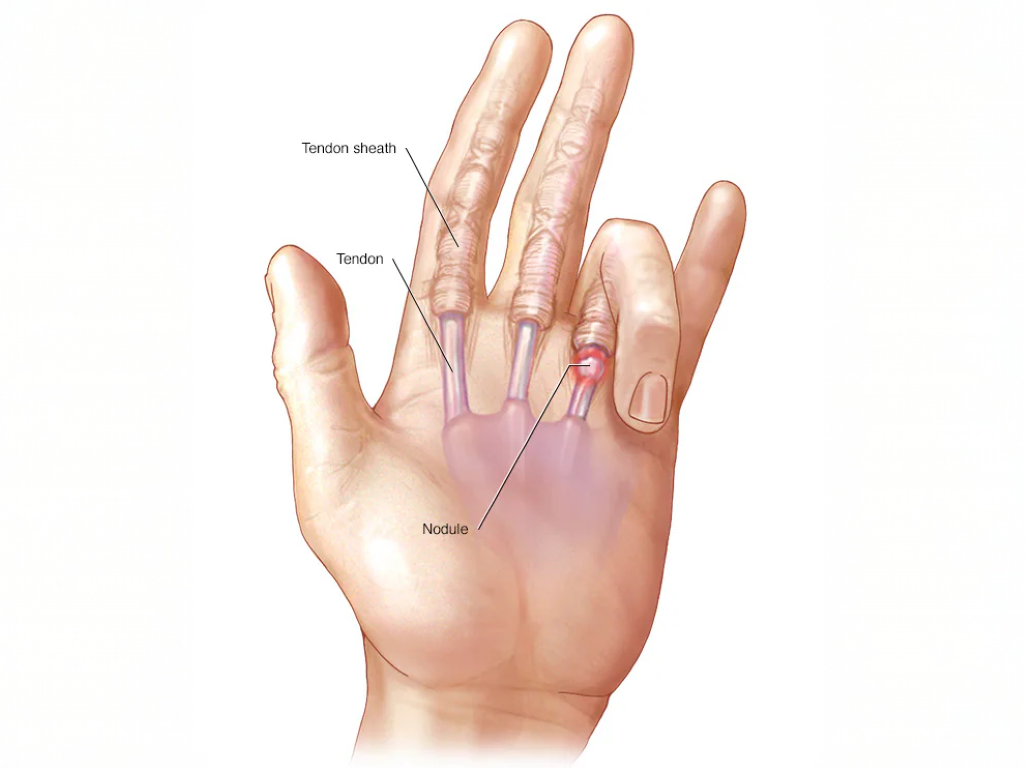
When repetitive stress or overload occurs, the tendon sheath becomes irritated and thickened. This reduces smooth tendon gliding, causing pain during thumb movement and wrist deviation.
If left untreated, the condition may progress to chronic tendon irritation, reduced grip strength, persistent swelling, and difficulty performing daily activities such as lifting a child, opening jars, or holding a phone.
Common Signs and Symptoms
- Pain on the thumb side of the wrist, especially during movement
- Pain while gripping, twisting, or lifting objects
- Swelling near the base of the thumb
- Difficulty moving the thumb without discomfort
- Reduced grip strength
- Pain radiating up the forearm in advanced cases
In many patients, the pain increases during a movement similar to the Finkelstein test, where the thumb is folded inside the fist and the wrist is bent toward the little finger side. Ignoring early symptoms can lead to prolonged recovery and chronic tendon irritation.
Common Causes
De Quervain’s Tenosynovitis typically develops due to repetitive mechanical stress. Common risk factors include:
- Repetitive thumb movements such as texting or scrolling
- Lifting infants frequently, often called “Mother’s Thumb”
- Prolonged computer or mouse use without ergonomic support
- Repetitive gripping activities in tailoring or manual work
- Sudden increase in gym or strength training activities
- Hormonal changes, especially during pregnancy or postpartum period
Systemic conditions such as diabetes or inflammatory disorders may increase susceptibility.
How Physiotherapy Helps
Physiotherapy is the most effective non-surgical treatment for De Quervain’s Tenosynovitis when started early. At ADPORC, management focuses on correcting the root cause of tendon overload rather than masking pain.
Our treatment approach includes:
- Detailed clinical assessment of wrist biomechanics and movement patterns
- Pain and inflammation control using advanced electrotherapy modalities when indicated
- Gentle manual therapy to improve tendon gliding and reduce soft tissue tightness
- Tendon loading exercises to restore strength safely
- Thumb and wrist mobility exercises
- Ergonomic advice and activity modification
- Prevention strategies to avoid recurrence
Treatment is individualized based on the patient’s daily activity demands and severity of symptoms.
Home Advice
- Avoid repetitive thumb movements during the painful phase
- Limit lifting with the affected hand when possible
- Use proper wrist support during work
- Apply cold therapy for short durations during acute inflammation
Do not force painful movements, and avoid self-prescribed aggressive stretching without professional guidance.
Home Exercises You Can Try
These exercises are safe at a beginner level if pain is mild.
-
Thumb Range of Motion Exercise:
Move your thumb slowly across your palm and then away from your hand. Perform in a controlled manner.
Benefit: Maintains mobility and prevents stiffness. -
Gentle Wrist Extension Stretch:
Extend your arm forward, palm down. Use the other hand to gently pull the fingers downward until a mild stretch is felt.
Benefit: Reduces tension in wrist extensors. -
Isometric Thumb Strengthening:
Place your thumb against a stable surface and gently press without moving the joint. Hold for 5 seconds.
Benefit: Activates thumb muscles without excessive tendon strain.
Perform 10 repetitions, twice daily. Stop if pain increases significantly and consult a physiotherapist.
When to See a Physiotherapist (Visit ADPORC)?
You should seek professional care if:
- Wrist pain lasts more than one week
- Pain worsens during gripping or lifting
- Swelling persists near the thumb base
- Daily activities become difficult due to pain
Delayed treatment may lead to chronic tendon thickening and prolonged rehabilitation. Early physiotherapy significantly improves recovery outcomes and reduces the need for injections or surgical intervention.
Why Asia Digital Physiotherapy & Orthopedic Rehabilitation Center (ADPORC) Is a Trusted Physiotherapy Center in Dhaka
ADPORC focuses on evidence-based physiotherapy for musculoskeletal, neurological, and sports-related conditions.
- Expert Care by Dr. Saddam Hossain, PT
Structured rehabilitation under experienced clinical supervision. - Condition-Specific Physiotherapy Programs
Treatment plans designed according to assessment, pain stage, and functional goals. - Advanced Electrotherapy and Rehabilitation Equipment
Modalities used only when clinically indicated. - One-on-One Supervised Sessions
Direct supervision ensures safety and effectiveness. - Accessible Location in Jatrabari, Dhaka
Serving Jatrabari, Dholaipar, Shonir Akhra, Doyagonj, Puran Dhaka, Keraniganj, and Narayanganj.
If you're looking for the best physiotherapy for De Quervain’s Tenosynovitis in Dhaka, visit ADPORC and see why patients from Jatrabari, and surrounding areas (Dholaipar, Doyaganj, Shonir Akhra, Saydabad, Jurain, Hasnabad, Puran Dhaka, Keraniganj and Narayanganj) trust us as the most reliable physiotherapy center in Jatrabari, Dhaka-1204.
Book Your Appointment Today
Do not ignore persistent thumb or wrist pain. Early intervention prevents chronic complications.
Visit ADPORC in Jatrabari, Dhaka, for professional De Quervain’s Tenosynovitis physiotherapy treatment focused on pain relief, tendon healing, and long-term functional recovery under the supervision of Dr. Saddam Hossain, PT.
- Location: 270/1 Dholaipar, South Jatrabari, Dhaka-1204
- Call: 01950-935236
- Website: adporc.com


 Asia Digital Physiotherapy & Orthopedic Rehabilitation Center